
A ruling by the Provincial Court of Almería has acquitted a woman who received psilocybin mushrooms, San Pedro cactus flour, and DMT-containing plant material via courier from Mexico. The prosecution had requested a four-and-a-half-year prison sentence. The court concluded that if no one measures how much mescaline, psilocin, or DMT is actually present in a plant or fungus, one cannot be convicted of trafficking substances that cause serious harm to health.
The resolution, Judgment 289/2026 of June 15, closes a case that began with a package intercepted in August 2022 and took nearly four years to reach trial. Her defense attorney, Francisco Azorín, presented it as the first in Spain to address psilocybin mushrooms, San Pedro cactus, and peyote simultaneously. Beyond the “pioneering” label, the most interesting aspect is the reasoning: the court focuses on the distinction between a controlled molecule and the plant or fungus that contains it—a boundary that has been at the center of the legal debate over natural psychedelics for years.
What was in the package
According to the established facts, on August 16, 2022, the Civil Guard detected a suspicious shipment from Mexico at the Alicante-Elche Miguel Hernández Airport courier service. Inside was a jar of “collagen” containing brown powder, jars of dried mushrooms, a box of ginseng tea with envelopes of different textures, and a bag with nine wooden pipes and a small bottle of brown liquid. An Elche court authorized a controlled delivery to the recipient’s home, who had called the transport company days earlier to inquire about her package.
The report from the Health Department of the Government Sub-delegation in Alicante, dated September 16, 2022, identified:
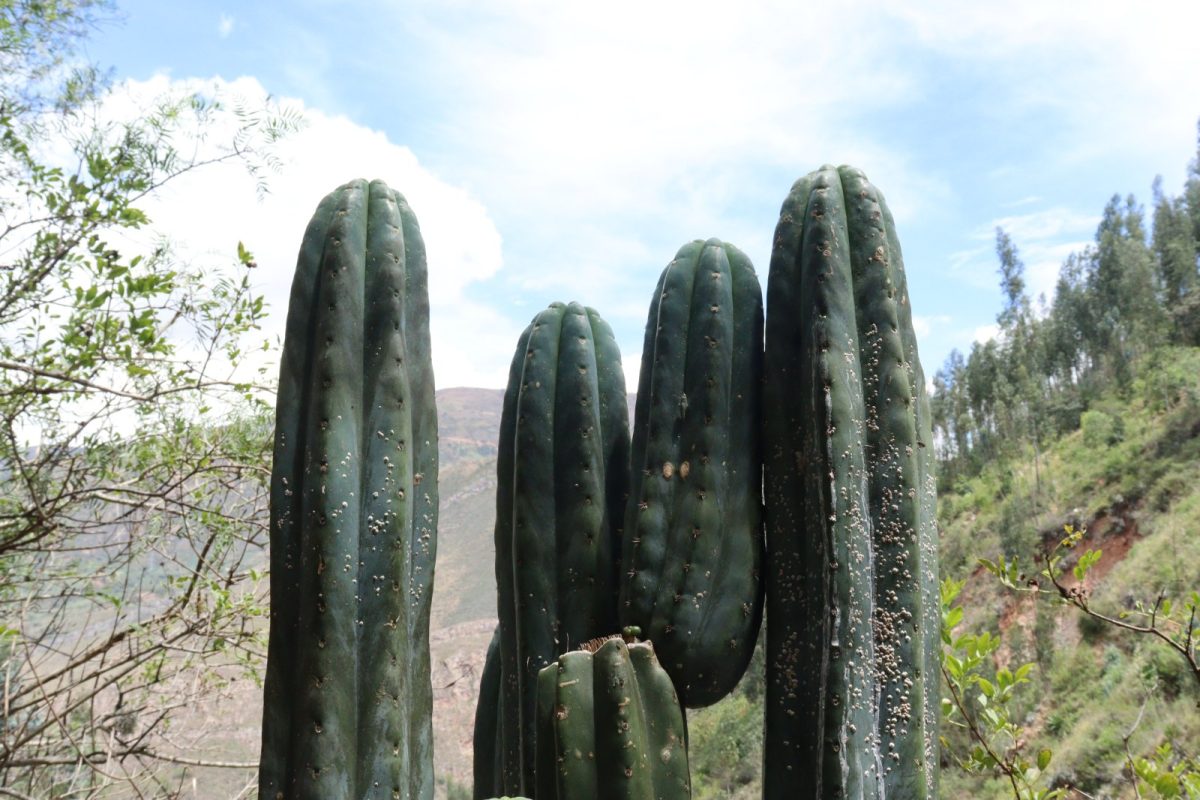
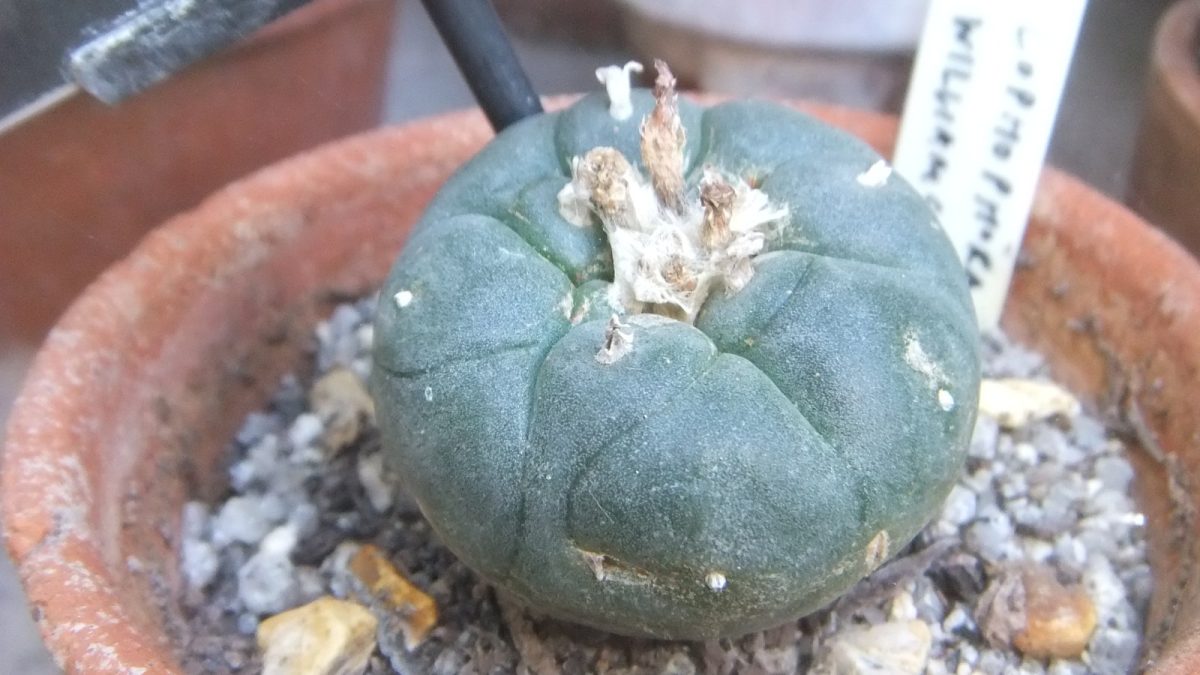
- 660 net grams of brown vegetable powder with mescaline, the alkaloid from the San Pedro cactus (Trichocereus pachanoi, also classified as Echinopsis pachanoi) and peyote (Lophophora williamsii). The preliminary test had tested positive for methamphetamine, a false positive that subsequent analysis ruled out.
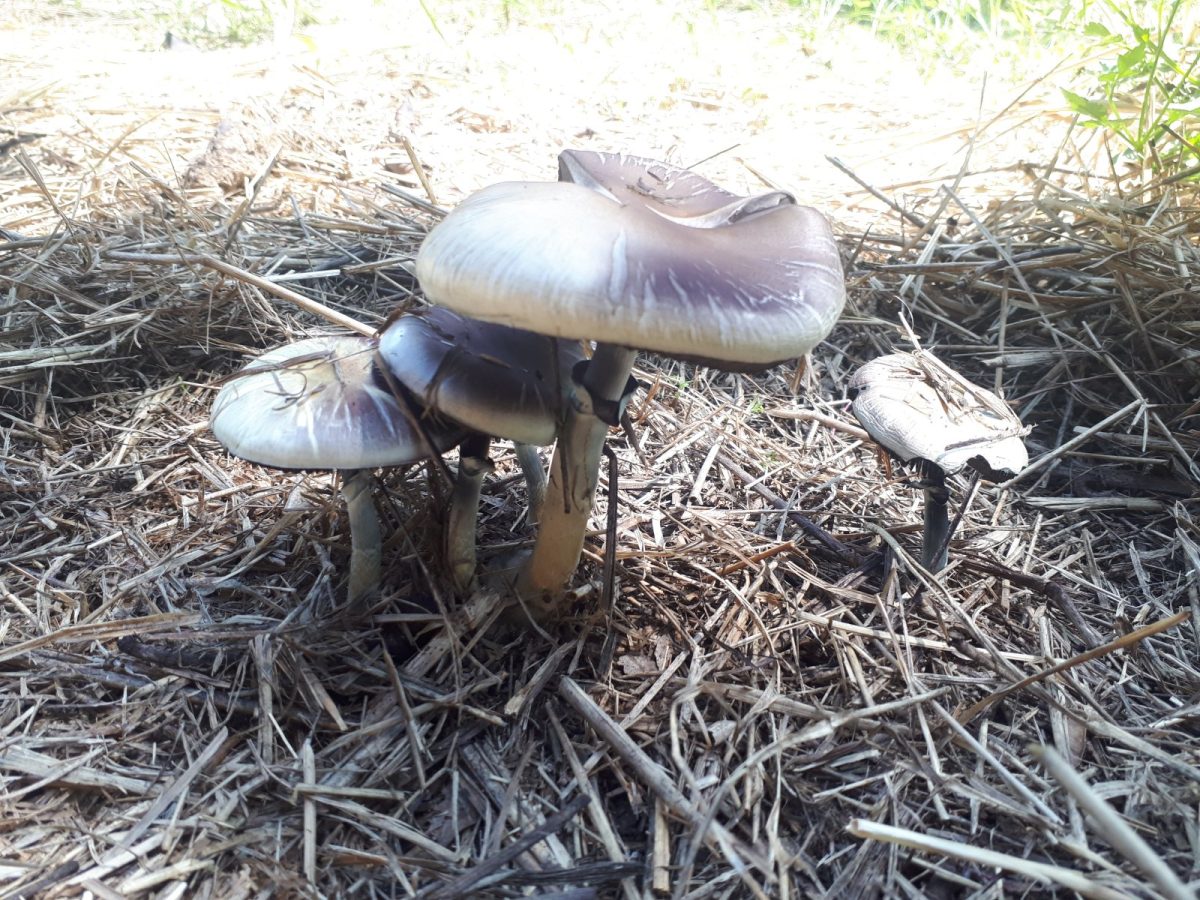
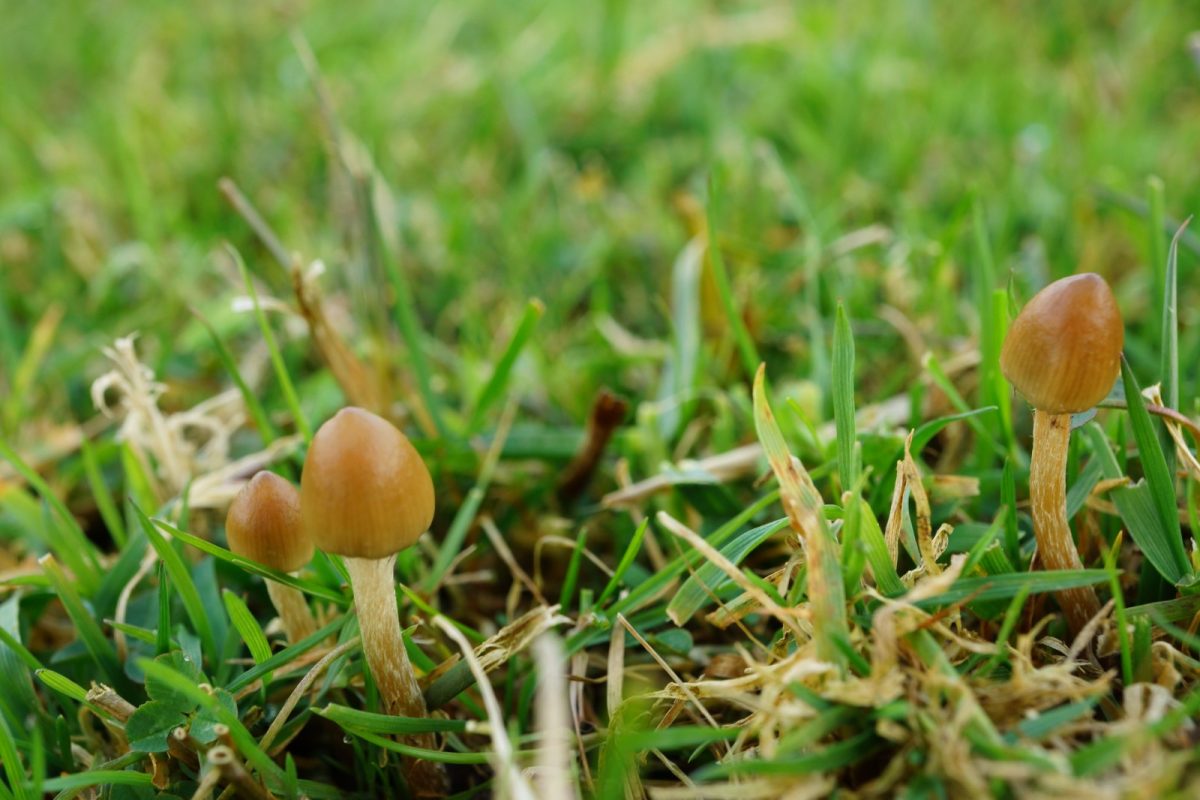
- 139 net grams of dried mushrooms in which psilocin was detected, the compound into which psilocybin transforms within the body.
- 27.49 grams from various bags of plant material in which DMT was detected.
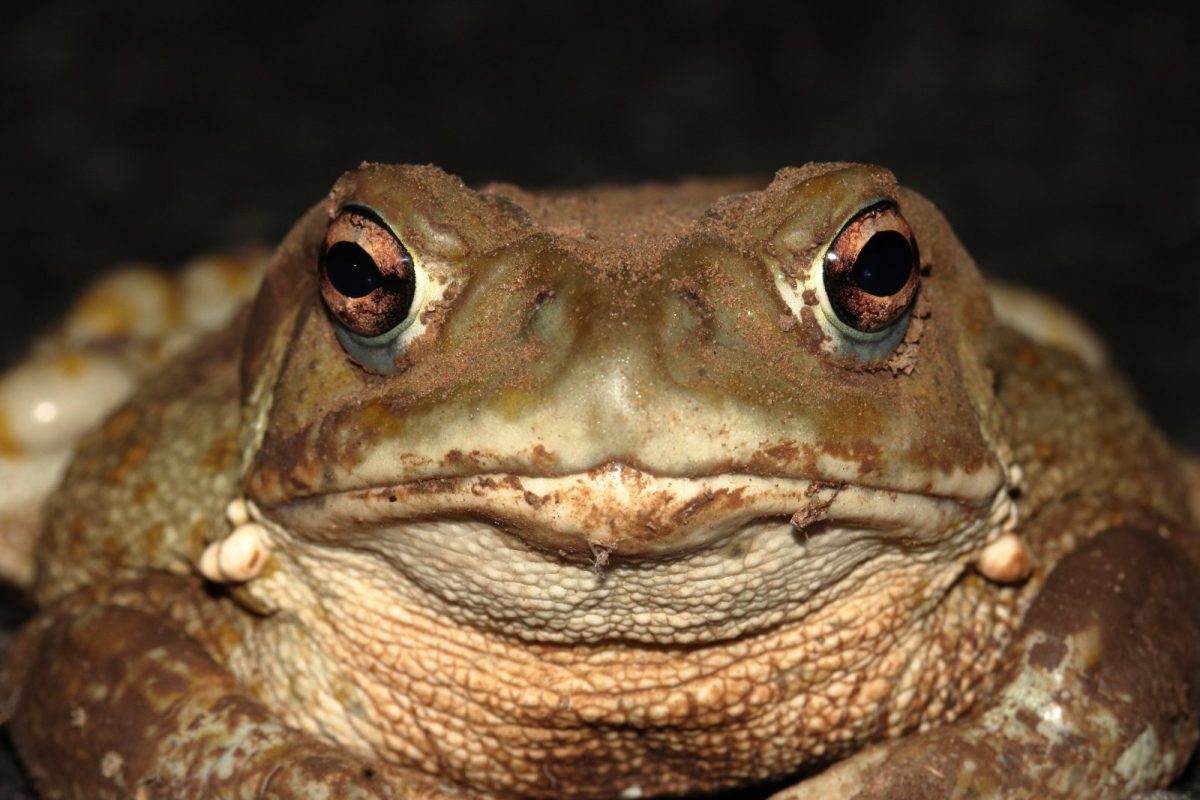
- 1.28 grams of a brown crystalline substance that the judgment links to the so-called “bufo toad” (Incilius alvarius).
- The brown liquid, which tested positive for morphine in the rapid test, contained no controlled substances.
The prosecution charged her with a crime against public health involving substances that cause serious harm to health and requested 4 years and 6 months in prison, a 50,000 euro fine, and legal costs. They valued the merchandise at 24,265.75 euros, a figure the court considers unproven precisely because the purity was unknown.
The key: a purity that no one measured
The crux of the judgment lies in the oral trial. The expert from the official laboratory stood by their report but acknowledged that their laboratory did not have certified standards to quantify these substances. They could identify which molecules were present, but not in what proportion. They also admitted that mescaline could be present in the plant powder “in small proportions” and that they did not know how to assess its effect on health.
For the court, this void is decisive. The judgment states that the expert testimony “leaves many doubts in the air regarding the specific toxicity” of the seized material, because it is possible that the proportion of the active ingredient is so low that it does not cause serious health effects. Without knowing the purity, it is also impossible to calculate how many doses were present, which is what typically allows for the distinction between an amount for personal use and an amount intended for third parties.
Based on this, the Court considers the defendant’s version plausible. She never denied being the recipient of the package. She stated that it had been sent as a gift by a friend from Mexico, that she had discovered these plants during her time there, that she began consuming them and they “changed her life,” that she does not consider herself an addict, and that they were for her own consumption. Since the prosecution’s evidence does not allow for this explanation to be ruled out, the court applies the presumption of innocence and acquits, with costs covered by the state. It does, however, order the confiscation and destruction of the seized items.
Plants are not molecules: The 1971 Convention and the INCB
The ruling does not declare that mescaline, psilocin, or DMT are unregulated substances. On the contrary, it notes that all three are listed in Schedule I of the 1971 Convention on Psychotropic Substances, which Spain has ratified and incorporated into its domestic law. What the court is debating is whether a plant or fungus containing these molecules can be automatically treated the same as the pure substance.
In his testimony, the defense expert—psychologist and Doctor of Pharmacology José Carlos Bouso—explained that pure substances exist as crystalline salts, whereas the seized material was plant matter. He noted that the concentration of alkaloids in a plant varies significantly depending on the season, soil, or light, ranging from mere traces to approximately 0.5%. He argued that international conventions regulate pure, synthesized substances, not the plants that contain them, and that neither ayahuasca nor the San Pedro cactus are regulated as such.
The court acknowledges this ambiguity, citing a previous ruling: 356/2024 from the Provincial Court of Madrid (Section 4, November 18, 2024), regarding ayahuasca. That resolution recognized that, read literally, Articles 1 and 3 of the 1971 Convention could allow any mixture containing a Schedule I substance to be considered a “preparation.” However, it added that the International Narcotics Control Board (INCB)—the body created by these very conventions to monitor compliance—stated in its 2010 and 2012 reports that ayahuasca is not subject to international control. For the Madrid magistrates, the INCB is a “qualified interpreter” of these treaties, and its position creates “a powerful and reasonable doubt.”
The Almería Court applies this logic to its own case, referring to “plant substances not subject to control as such” for which the percentage of the active principle—”which is the actual substance subject to control”—had not been determined. It adds a second, crucial point for understanding the scope of the ruling: even if one were to consider these plants and fungi to be controlled preparations, it would still be impossible to determine if the quantity exceeded what is reasonable for personal use. There are, therefore, two reinforcing arguments: the doubt regarding the regulation itself and the lack of evidence regarding intent to traffic.
The peyote precedent: 1.52 grams of mescaline in a cactus block
The ruling also cites 367/2025 from the Provincial Court of Madrid (Section 4, November 6, 2025), a case where purity was measured. It involved pressed peyote plant material with 0.6% mescaline. The expert calculated that the package contained 1.52 grams of mescaline, while the reference standard used by the court sets 600 milligrams as the maximum daily consumption amount. In other words, the quantity covered about three days of use, and the Madrid court deemed it “rationally suitable for personal consumption.”
This example helps illustrate why purity matters so much. Six hundred and sixty grams of San Pedro powder sounds like a lot, but if mescaline represents a very small fraction of the weight, the actual active ingredient may be a modest amount. The analysis performed in Madrid could not be done in Almería, and the court refused to fill that gap with assumptions.
Adding to this line of reasoning is the case cited by the defense as confirmation: the 2025 High Court of Justice of Madrid ruling that upheld an acquittal regarding ayahuasca, which we discussed when analyzing the Sagunto retreat case. While these are resolutions from different courts involving different facts, they reveal a trend: when the object of the proceedings is a plant or a traditional preparation, courts are demanding more than just the identification of a molecule.
What the ruling does not say
It is important to read the ruling precisely to avoid turning good news into a misunderstanding that someone could pay dearly for.
- It does not legalize anything. It does not declare the sale, import, or cultivation of psilocybin mushrooms, San Pedro, peyote, or bufo toad to be legal. It resolves a specific case with specific evidence.
- It is not binding jurisprudence. In Spain, only the Supreme Court creates jurisprudence in the strict sense. A Provincial Court ruling is a precedent that other courts may or may not consider.
- It was subject to appeal. The ruling itself indicates that an appeal could be filed with the High Court of Justice of Andalusia within ten days. There is no public record of whether any party filed one.
- The weight of the acquittal lies in the evidence. If, in another case, a laboratory quantifies the purity and the amount points toward third-party distribution, the result could be different. Furthermore, the defendant spent nearly four years with an open criminal case: the experience of the procedure itself is, in and of itself, a burden.
- Regarding the bufo toad, the ruling offers little reasoning. It mentions 1.28 grams attributed to the “bufo toad,” but the court does not treat it separately. The status of the secretion of Incilius alvarius, whose main active principle is 5-MeO-DMT, remains an open question.
A perspective from cognitive liberty
For thirty years, Psiconáutica has defended the right of adults to make decisions regarding their own consciousness, in the tradition of Antonio Escohotado. This ruling does not make a pronouncement on that right, but it does offer something valuable: it treats the defendant as an adult who describes her relationship with plants, rather than as a suspect merely for having received them. The court listened to her account of how those plants “changed her life” and did not interpret it as an indication of guilt.
It also highlights an inconsistency in the system. Psilocybin mushrooms, San Pedro, and peyote have been used for centuries in ritual and medicinal contexts, and today psilocybin is being investigated in advanced clinical trials for treatment-resistant depression. Criminally prosecuting someone who receives them for personal use, with prosecutors requesting four-and-a-half-year prison sentences, clashes with what we know about their risk profile and with the doctrine of the international body that monitors these conventions. The reasonable way forward does not involve relying on a laboratory lacking certified standards, but rather on clear regulation that distinguishes between personal use, ritual use, and commerce, supported by honest information and legal safeguards.
If you are interested in the context of each substance, our guides cover the history and science of mescaline, peyote, and San Pedro, psilocybin and magic mushrooms, and ayahuasca and DMT.
If you decide to use them: harm reduction information
No court ruling changes pharmacology. If you are an adult and decide to take any of these substances, here are some points gathered from literature and the experience of harm reduction services:
- The potency of natural substances is variable. As the expert witness pointed out, the concentration of alkaloids in a cactus or mushroom varies significantly from one sample to another. Starting with a small amount and waiting to feel the effects before taking more is the golden rule. Drug checking services, such as Energy Control, help you know what you are dealing with.
- Mescaline (San Pedro and peyote): The effects take time to kick in and last for many hours, often between 8 and 12. Nausea and vomiting are common at the beginning. It is best to set aside the entire day and avoid driving.
- Psilocybin (mushrooms): Effects last about 4 to 6 hours. There are reports of seizures when combined with lithium, a mix that should be avoided. Some antidepressants (SSRIs) can significantly dampen the effects, which leads some people to take more than intended.
- DMT and 5-MeO-DMT: These are very intense and rapid experiences. 5-MeO-DMT from the bufo toad should not be combined with MAO inhibitors, such as those found in ayahuasca or Syrian rue; this combination has been associated with severe toxicity.
- Context (“set and setting”): Your state of mind, the location, and the people you are with matter as much as the substance itself. Having a trusted person nearby who has not consumed the substance significantly reduces the risk of problems. A personal or family history of psychosis or bipolar disorder is a serious reason to abstain.
You can find more information in our harm reduction and responsible use guide.
Frequently Asked Questions
Does this ruling make it legal to possess psilocybin mushrooms or San Pedro cactus in Spain?
No. It acquits the defendant in a specific case because the purity of the substances was not measured, and trafficking could not be proven. It does not change the law or set a binding precedent for other courts.
Why was the purity so important?
Because the prosecution was for substances that cause serious harm to health and for trafficking. Without knowing how much mescaline, psilocin, or DMT was present, it was impossible to assess the risk or calculate the number of doses to distinguish personal use from trafficking.
Are mescaline and psilocybin prohibited?
The molecules are listed in Schedule I of the 1971 Convention. The debate lies with the plants and fungi that contain them: the INCB has stated that these plant materials are not internationally controlled as such, although each state can adopt its own measures.
What sentence was the prosecution seeking?
Four years and six months in prison, a 50,000 euro fine, and legal costs for a crime against public health under Article 368 of the Penal Code.
Is the ruling final?
The decision allowed for an appeal to the High Court of Justice of Andalusia. It is not publicly known whether an appeal was filed.
Sources
- Judgment 289/2026 of the Provincial Court of Almería, Third Section (anonymized copy).
- Francisco Azorín Abogados: “Pioneering ruling on psilocybin mushrooms and San Pedro cactus in Spain” (October 29, 2026). This is the defense law firm.
- Instrument of accession of Spain to the 1971 Convention on Psychotropic Substances (BOE).
- INCB: 2010 Annual Report and INCB: 2012 Annual Report.
News report prepared based on the full text of the judgment, cross-referenced with the defense’s article, as of November 4, 2026. Educational content written from a harm reduction perspective and with respect for individual freedom. It is not a substitute for advice from a healthcare professional or legal counsel, and is not intended to encourage or condemn any drug use.
Images: San Pedro cactus trunks (Echinopsis pachanoi) in Áncash, Peru. Photo: Carlo Brescia / Wikimedia Commons, CC BY-SA 4.0. Psilocybe cubensis mushrooms in Zimbabwe. Photo: Robert van der Horst / Wikimedia Commons, CC BY-SA 4.0. Peyote (Lophophora williamsii) at the Chelsea Physic Garden in London. Photo: YubKooka / Wikimedia Commons, CC BY-SA 4.0. Sonoran Desert toad (Incilius alvarius), known as the bufo toad. Photo: Rstanton13 / Wikimedia Commons, CC BY-SA 4.0. Psilocybe semilanceata, the most widespread psilocybin mushroom in Europe. Photo: Dr. Hans-Günter Wagner / Wikimedia Commons, CC BY-SA 2.0. Cropped and resized for editorial purposes.