

Psiconáutica Editorial Team · November 25, 2026
At a glance
- What: a state funding call from CIAPM, announced on November 10, 2026, offering up to $4 million for about two research projects on psychedelics and veterans, each worth up to $2 million and lasting three to four years.
- Who can apply: teams co-led both by faculty at a California nonprofit academic research institution and by at least one local organization, such as a veterans organization, a community clinic or a tribal entity. At least one partner organization must have five years of experience serving veterans.
- What it is not: it does not yet award funds or authorize treatments, and it provides no clinical results. The first awards would be made in July 2027 at the earliest.
California is joining the governments that fund psychedelic research, with one particular condition: veteran communities do not just take part, they share the leadership of the projects. On November 10, the Governor’s Office announced a funding call from the California Initiative to Advance Precision Medicine (CIAPM), part of the state’s Health and Human Services Agency.
What it funds
According to the call page, two types of project are eligible. The first is a new clinical trial, a clinical research study or a study based on tribal practices and traditions, focused on veterans. The second is the expansion of an existing study so that it focuses more on this population. Each application must explain how it advances precision medicine, that is, tailoring treatments to the individual. It must also show how it engages and benefits veterans, how it aims to reduce health disparities, and what expertise and partnerships the team brings. The state portal adds that the research must include a “precision medicine asset” as a deliverable, with examples such as new infrastructure, tools, measurements and data.
Who can apply
Leadership is shared. According to the CIAPM page, each project must be co-led by faculty at a California public or private nonprofit academic research institution and by at least one organization based in the state. That organization can be a nonprofit community-based organization, a veterans organization, a community clinic or a non-state public or tribal entity; Department of Veterans Affairs (VA) facilities also count. The community partner is therefore not an add-on collaborator: it shares the leadership. The grants portal also requires at least one partner organization to have a minimum of five years of experience serving veterans. It adds that partnerships are recommended at the letter-of-intent stage and required for the initial application.
Deadlines
- December 2, 2026: informational webinar.
- December 18, 2026, 3:00 p.m. Pacific Time: letter of intent, required, non-binding and not scored.
- February 19, 2027: initial application. April 23: finalists notified. June 4: full application.
- July 2027 at the earliest: awards. Projects would end in August 2030 or 2031.
Where the money comes from
The press release attributes the funds to AB 113, a budget trailer bill signed this year. It also cites two other laws that, according to the Governor, eased this kind of research: AB 1103, from October 2025, which sped up study approvals, and AB 2841, from 2024. The grants portal says the funding comes from the state and is paid by reimbursement. Matching funds are not required but are encouraged. For context, the release says California has nearly 1.5 million veterans, while the CIAPM page puts the figure at almost 1.6 million. The release also cites a VA figure: in 2021, 41.9% of recent users of VA health care had a mental health or substance use disorder diagnosis.
What it means
This is a funding opportunity with close deadlines, not a clinical advance. Until awards are made, it will not be known which substances, conditions or designs will be studied. Any trial will then need its own permits and ethics approvals. The CIAPM page itself acknowledges that more research is needed to know which psychedelics work, for which conditions and in which people. The initiative is a state effort, separate from federal studies such as the VA’s PIVOT psilocybin trial. For an overview of the current evidence, see our guide to psychedelic science and therapy.
Sources
- Office of the Governor of California. California announces funding for psychedelic treatment research to improve veterans’ health, November 10, 2026.
- CIAPM. Psychedelic Precision Medicine Research with Veterans, call page. The full call document is labeled a draft and was not read.
- California Grants Portal. Psychedelic Precision Medicine Research with Veterans, record 194472.
Image
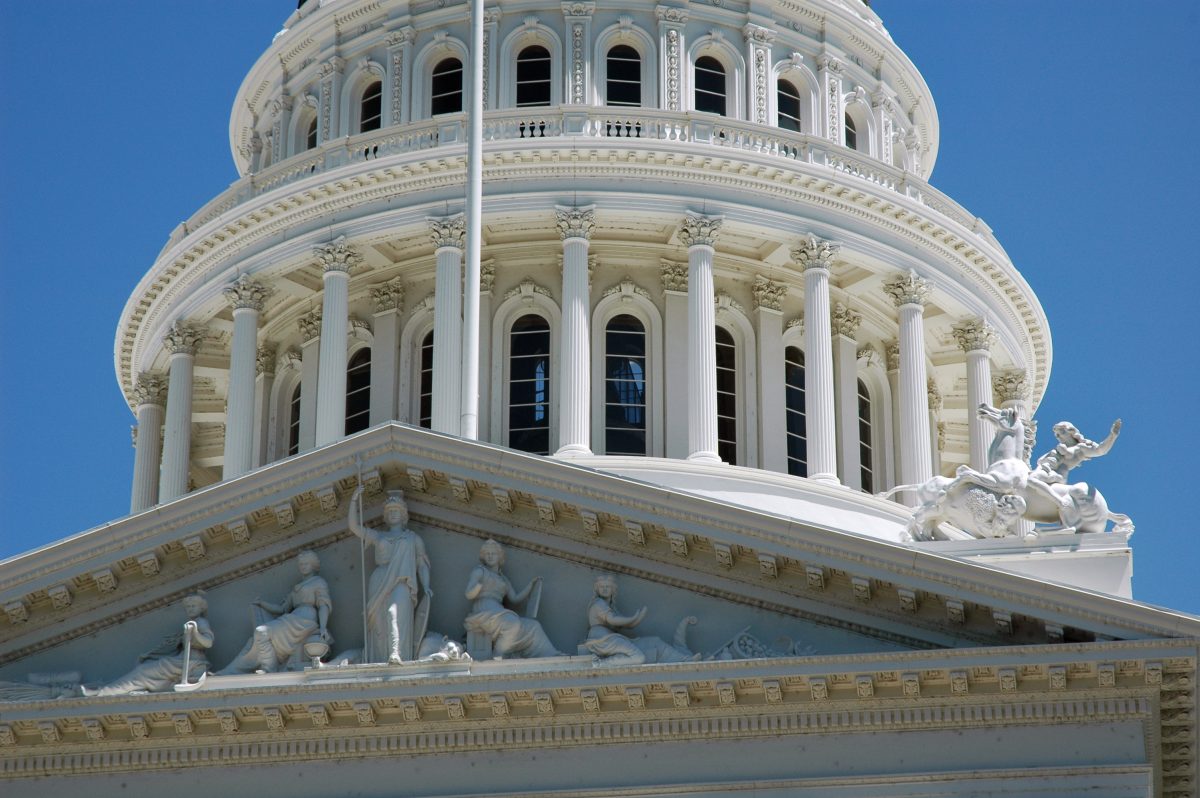
Illustrative image: the dome and pediment of the California State Capitol in Sacramento, 2011. Photo: DimiTalen, Wikimedia Commons, dedicated to the public domain under CC0 1.0.
Educational content produced from a harm-reduction perspective and with respect for individual freedom. It does not replace information from a healthcare professional and does not aim to encourage or condemn any use.