

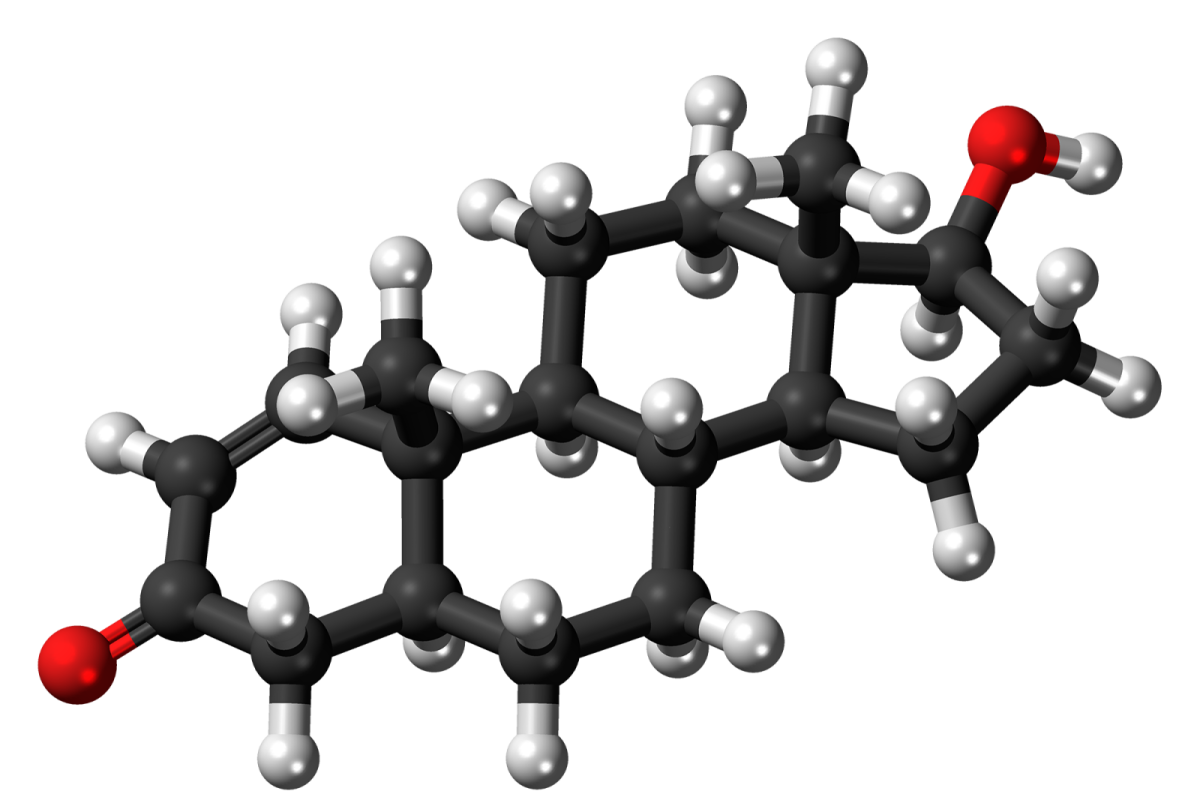
In the contemporary collective imagination, certain substances hold a privileged place in the narrative of personal success. They are often associated with physical strength, mental agility, or an instant sense of well-being. Yet one substance defies these simplistic categories: testosterone. Far from being merely a male hormone tied to traditional stereotypes of sports or bodybuilding, its study reveals a complex tapestry where biology, psychology, and social structures intertwine.
In brief
- More than a hormone: Testosterone is a key modulator of sexual identity, aggressive behavior, and libido across humans of all genders.
- Aristocratic toxicity: Exogenous use (supplementation) carries significant cardiovascular and hepatic health risks that should not be underestimated.
- Cultural construction: The perception of masculinity is deeply influenced by pharmacological use, challenging the notion of biologically fixed gender.
Beyond the Stereotype: A Complex Substance
Testosterone is an androgenic hormone primarily produced in the testes, though it is also synthesized in smaller amounts by the adrenal glands and ovaries. Its function extends far beyond popular definitions: it regulates not only the development of secondary sexual characteristics—such as muscle mass and body hair distribution—but also cognitive and emotional processes.
From a scientific perspective, adequate levels of this hormone correlate with higher bone density, which is crucial for preventing osteoporosis in both men and women. It also plays a fundamental role in regulating metabolism and mood. However, its relationship with aggression and competitiveness is neither direct nor automatic; these traits are mediated by a dynamic interplay between genetics, social environment, and hormone levels.
The Supplementation Phenomenon and Its Risks
In recent decades, the use of exogenous testosterone has surged significantly among populations without clinical deficiencies. This phenomenon, sometimes colloquially dubbed “aristocratic toxicity” due to its association with elite or high-performance lifestyles, raises significant ethical and medical dilemmas.
Administering synthetic testosterone can suppress the body’s endogenous production. This occurs because the body detects elevated blood levels and downregulates signaling along the hypothalamic-pituitary-gonadal (HPG) axis to prevent overproduction. The consequences can include testicular atrophy, temporary or permanent infertility, and alterations in lipid profiles that increase cardiovascular risk.
Furthermore, it is crucial to distinguish between hormone replacement therapy (HRT)—medically indicated for confirmed hypogonadism following rigorous diagnostic testing—and recreational or aesthetic use. While the former seeks to restore normal physiological levels under strict supervision, the latter often chases supraphysiological targets, exposing users to unpredictable adverse effects.
Queer Theory and the Biopolitics of the Body
The analysis of psychoactive substances cannot be divorced from its sociocultural context. The work of theorists like Beatriz Preciado has been instrumental in understanding how hormones operate as instruments of power and resistance. Within this framework, testosterone ceases to be a mere biological marker and becomes a political object.
The idea that gender is a cultural construct does not deny biological differences; rather, it highlights how we interpret those differences. The administration of testosterone by transgender and cisgender individuals alike challenges traditional notions of what it means to be a man or a woman. This process illustrates how biotechnology can be harnessed to reconfigure identity and question roles assigned at birth.
Recent academic literature suggests that the subjective experience of masculinity is not static. The introduction of external hormones alters one’s perception of the body, sometimes creating cognitive dissonance between internal body image and external physical reality. This tension can be a source of empowerment for some, but also of psychological distress if not properly managed.
Harm Reduction: A Prudent Approach
Any decision regarding hormone use must be grounded in scientific evidence and prioritize long-term health. Before considering any pharmacological intervention, it is essential to:
- Consult qualified professionals: Endocrinologists or specialized physicians should evaluate individual needs through comprehensive hormone panels.
- Maintain continuous monitoring: Regular tracking of biomarkers such as hematocrit, lipid panels, and liver enzymes is essential for catching early complications.
- Prioritize sexual health education: It is crucial to understand that testosterone use does not guarantee an automatic boost in athletic performance or sexual function, and it can backfire if dosages are abused.
Harm reduction also requires a critical eye toward information found online. Many products marketed as natural supplements lack regulatory oversight, and their actual composition is questionable. Self-medicating with hormones poses a severe risk to physical and mental integrity.
Editorial Closing: Awareness and Responsibility
Testosterone invites us to reflect on our relationship with the body and the social norms that govern it. In a world of relentless pressure to meet ideals of beauty and performance, maintaining a critical stance toward quick fixes peddled by the pharmaceutical and supplement industries is vital.
Psychonautics teaches us to navigate these territories with prudence, recognizing that behind every pill or injection lies an intricate web of biological and cultural meanings. Understanding testosterone not just as a chemical compound, but as a symbol of power and identity construction, is the first step toward a healthier, more conscious relationship with our own physiology.
Ultimately, true strength lies in knowing our bodies, respecting their limits, and striking a balance between the biological and the cultural. Only then can we speak of holistic health and sustainable well-being.
References
- Nassar GN, Leslie SW. Physiology, Testosterone. StatPearls, NCBI Bookshelf, updated 2026.
- Desai A, Yassin M, Cayetano A, Tharakan T, Jayasena CN, Minhas S. Understanding and managing the suppression of spermatogenesis caused by testosterone replacement therapy (TRT) and anabolic–androgenic steroids (AAS). Therapeutic Advances in Urology, 14, 2022.
- Corona G, Rastrelli G, Maseroli E, Sforza A, Maggi M. Testosterone Replacement Therapy and Cardiovascular Risk: A Review. World Journal of Men’s Health, 33(3), 2015.
- van Anders SM. Beyond masculinity: testosterone, gender/sex, and human social behavior in a comparative context. Frontiers in Neuroendocrinology, 34(3), 2013.
This article is for educational purposes and is not a substitute for advice from a healthcare professional.