

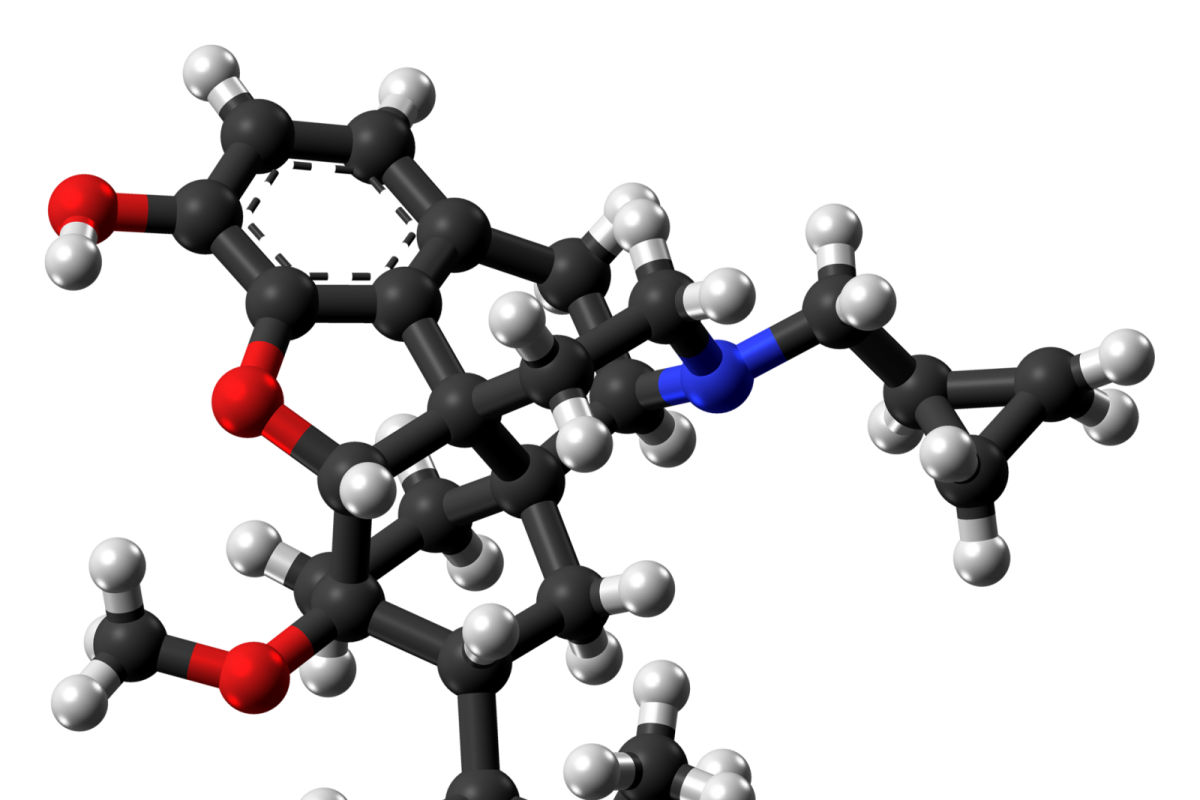
In the complex landscape of modern medicine, few substances have marked as decisive a turning point as buprenorphine. For decades, maintenance programs for opioid dependence relied almost exclusively on methadone or, in very specific cases, naltrexone. However, the arrival of this semisynthetic opioid opened a new therapeutic avenue: offering a balance between analgesic efficacy and superior clinical safety. This drug has not only redefined treatment protocols for people with opioid use disorder, but has also established itself as a fundamental tool in chronic pain management.
In brief
- Unique mechanism: Buprenorphine acts as a partial agonist, providing relief without fully activating opioid receptors, which substantially reduces the risk of overdose.
- Historical evolution: Initially developed for analgesia in 1978, its clinical application in addiction treatment was formally approved in the US in 2002 and in Europe in 2006.
- Therapeutic versatility: Available in sublingual formulations, transdermal patches, and implants, adapting to diverse clinical needs and patient preferences.
- Enhanced safety: Its combination with naloxone (Suboxone) deters intravenous use, minimizing risks associated with unsupervised consumption.
- Spanish context: Following an off-label period as an analgesic in the 1980s, dedicated regulation for addiction medicine enabled gradual treatment expansion.
Origins and Pharmacological Development
Buprenorphine is the product of chemical engineering applied to natural opium alkaloids. Derived from thebaine—harvested industrially from specific strains of Papaver somniferum—this molecule was designed with a clear objective: replicate the analgesic and antinociceptive benefits of morphine while mitigating its most dangerous adverse effects.
Research began in 1969 under Reckitt & Colman. After a decade of experimentation, primarily in animal models where it showed remarkable promise (known then as RX6029), human clinical trials launched in 1971. The drug reached the British market in 1978 under the brand name Temgesic (buprenorphine), initially indicated for the injectable management of severe pain.
Innovation continued with the introduction of oral and sublingual formulations in 1982, facilitating more convenient and less invasive administration. By the late 1970s, researchers at the National Institute on Drug Abuse (NIDA) recognized its potential for treating opioid dependence. This recognition led to strategic partnerships with the pharmaceutical industry, culminating in US FDA approval in 2002 specifically for addiction treatment.
Regulation and European Context
At the European Union level, regulatory authorities approved buprenorphine as an official therapy for opioid dependence in September 2006. However, countries like France had already incorporated the medication into their official pharmacopeias as early as 1996.
The Spanish trajectory offers a particularly compelling case study in the regulatory and social challenges of the era. During the 1980s, buprenorphine was marketed under brand names such as Buprex and Prefin. At the time, it was the only potent opioid available on a standard prescription (not requiring strict narcotic scheduling), which facilitated access but also created risks of diversion to the illicit market.
The National Pharmacovigilance Commission stepped in during 1988, raising dispensing requirements to psychotropic prescription forms. Subsequently, the Spanish Agency of Medicines formally approved its sublingual use for opioid dependence in 2000. Although initial clinical uptake was modest, regulatory updates in 2003 allowed direct pharmacy dispensing under medical prescription, laying the groundwork for its expansion as a second-line treatment whenever methadone proved unviable.
Pharmacodynamics and Mechanisms of Action
Understanding why buprenorphine outperforms other opioids in specific contexts requires examining how it interacts with brain receptors. Unlike full agonists such as morphine or methadone, buprenorphine binds to mu-opioid receptors with exceptionally high affinity while acting as a partial agonist.
This pharmacological mechanism produces several distinct dynamics:
- Moderate analgesic effect: It delivers pain relief and alleviates drug cravings without activating receptors to their maximum possible capacity.
- Ceiling effect: There is a physiological cap on the dose-response curve. Even if an excessive dose is taken, the respiratory depressive effect plateaus, drastically lowering the risk of fatal overdose compared to other opioids.
- Receptor blockade: By tightly occupying receptors, it blocks other opioid drugs (such as heroin or methadone) from binding if taken concurrently, thereby deterring relapse and preventing additive overdose toxicity.
This dual pharmacology enables smooth maintenance that dampens the physical and emotional turbulence of withdrawal, fostering long-term treatment adherence.
Comparative Clinical Efficacy
Methadone remains the gold standard in many maintenance programs worldwide. However, it carries notable limitations: some patients metabolize the drug too rapidly (requiring unusually high doses), others suffer debilitating gastrointestinal intolerance, and it frequently produces problematic interactions with antiretroviral medications.
Buprenorphine offers a robust alternative in these scenarios. It is especially advantageous for patients who:
- Tolerate methadone poorly.
- Present with mild to moderate physical dependence.
- Require gradual dose reductions prior to attempting full detoxification (induction tapering).
- Need a treatment option with a lighter hepatic metabolic burden.
Clinical trials conducted in Spain have documented compelling outcomes. In one controlled trial, patients who had not responded to methadone or had experienced recurrent relapses achieved a 95% retention rate after six months on buprenorphine. Reported benefits included significant decreases in anxiety, restored sleep architecture, and improved self-esteem.
Safety Profile and Adverse Effects
Like any medication, buprenorphine carries risks, but its overall safety profile is favorable. The most common side effects include mild sedation, nausea, and constipation—typical of the opioid class as a whole.
A pivotal safety feature is the combination formulation with naloxone (marketed as Suboxone). Taken orally or sublingually, naloxone has negligible bioavailability and produces virtually no clinical effect. However, if crushed and injected intravenously—a hazardous and contraindicated route—the naloxone rapidly blocks opioid receptors, precipitating acute and severe withdrawal. This built-in deterrent strongly discourages non-medical parenteral use.
Key clinical contraindications include:
- Severe respiratory insufficiency: Depression of the respiratory center can prove life-threatening in compromised airways.
- Acute alcohol intoxication: Alcohol compounds central nervous system depression, substantially increasing the risk of apnea.
- Delirium tremens or severe hepatic failure: Both conditions require rigorous medical stabilization prior to initiating any opioid pharmacotherapy.
Drug Interactions and Harm Reduction
Safe clinical management depends on vigilant monitoring of drug interactions. Clinical guidelines from organizations such as Socidrogalcohol emphasize several critical interactions:
Alcohol
While occasional moderate intake rarely leads to acute catastrophe, combining alcohol with buprenorphine can cause marked central nervous system and respiratory depression. This danger increases significantly in individuals with sleep apnea or active respiratory infections (such as bronchitis or pneumonia). In chronic alcohol use, additive central nervous system depression represents a severe risk factor requiring careful clinical assessment.
Cannabis
Cannabis exerts sedative and central depressive effects. Co-administration can heighten drowsiness and mild central hypotension. However, cannabinoids do not depress the medullary respiratory center in the manner opioids do, so lethal synergism in respiratory depression is not anticipated, though clinical monitoring remains advisable.
Stimulants (Cocaine and Amphetamines)
There are no documented catastrophic direct pharmacodynamic interactions with partial opioid agonists. In fact, research has explored buprenorphine as a potential adjunct in managing cocaine dependence, though this remains an area of ongoing investigation.
Hallucinogens and Sedatives (GHB)
Substances such as GHB are potent CNS depressants. Combining them with opioid agonists can trigger profound, life-threatening respiratory depression, demanding extreme caution and proactive patient education.
Editorial Conclusion
Buprenorphine has earned its place as a cornerstone of modern addiction pharmacology. Its trajectory highlights a shift from an experimental analgesic to an evidence-based, life-saving therapeutic tool that mitigates overdose mortality and provides a stable pathway toward long-term recovery.
From the perspective of Psiconáutica, it is vital to remember that medications are tools within a broader, holistic health journey. Buprenorphine does not represent a magic cure nor does it promise effortless, overnight abstinence; it requires patient agency and rigorous, compassionate professional guidance. Its success lies in harmonizing pharmacological science, medical ethics, and a nuanced understanding of human experience.
Modern medicine progresses through rigorous research that broadens options when traditional approaches fall short. Prudence, patient education, and harm reduction remain the guiding principles for maximizing therapeutic benefit while minimizing the harms associated with psychoactive substance use.


