

In brief
- A University of Zurich study used an electroencephalogram (EEG) to measure the effects of an intranasal DMT formula combined with harmine, inspired by ayahuasca.
- In 25 healthy volunteers, the combination accelerated electrical brain pattern shifts, making them more complex and less random than harmine alone or a placebo.
- The research, published in the Journal of Psychopharmacology, is basic science: it does not measure therapeutic effects, but rather how neuronal dynamics change during the peak of the experience.
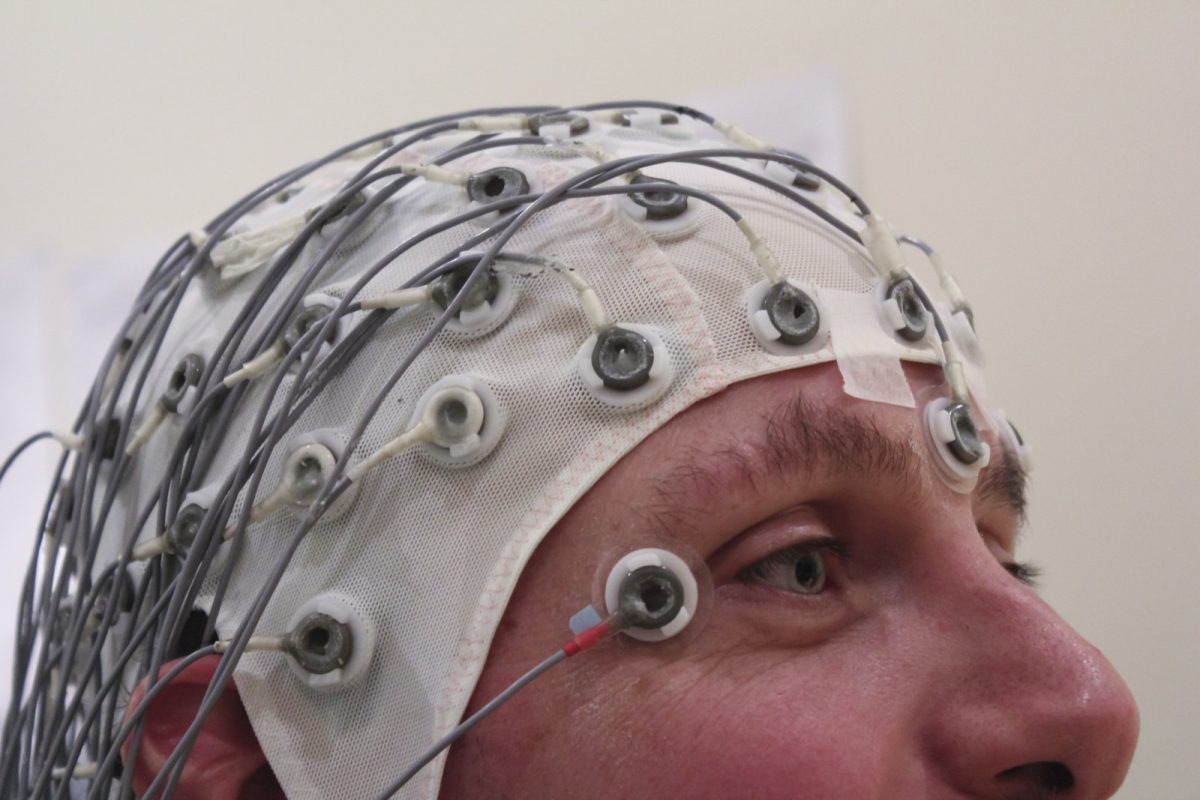
A team from the University of Zurich has recorded, via electroencephalogram, how the brain’s electrical activity reorganizes during the peak of an experience induced by a formula combining intranasal DMT and harmine—two of the active components of ayahuasca. The study, published September 22 in the Journal of Psychopharmacology, found that this combination accelerates and complicates neuronal patterns compared to harmine alone or a placebo.
What was measured
The double-blind, randomized, placebo-controlled trial involved 25 healthy individuals who participated in three separate sessions on different days: intranasal DMT plus oral harmine, harmine alone, and a placebo. The study is part of a broader registry on ClinicalTrials.gov focused on the neuronal dynamics of prosocial emotional processing following serotonergic stimulation with DMT and harmine. The researchers applied EEG microstate analysis, a technique that divides brain signals into brief spatial configurations that succeed one another several times per second.
The results
With the combination of DMT and harmine, each microstate lasted for a shorter duration, but they appeared more frequently and with greater complexity than in the other two conditions. Furthermore, first-order Markov statistics showed that the transition sequences between microstates became less random—that is, more predictable—during the substance’s effect. For the authors, this pattern aligns with models describing psychedelic states as episodes of increased metastability and signal diversity in the brain, expanding on what was already known about the temporal variability of these signals.
What it implies
This is a basic neuroscience study, not a clinical trial for depression or other conditions: the participants were healthy volunteers, and the goal was to describe brain dynamics, not to measure a therapeutic effect. The sample size is small, twenty-five people, and the authors themselves present it as a piece of the puzzle to better understand how neuronal activity is organized during psychedelic states, rather than as proof of clinical efficacy. You can read more about these substances in the Ayahuasca and DMT Guide by Psiconáutica.
Source
- Niedernhuber M, Suay D, Lenggenhager B, Müller M, Scheidegger M, Dornbierer D, Aicher H. N,N-Dimethyltryptamine and harmine formulation alters transient EEG topography sequences near the peak of the psychedelic state. Journal of Psychopharmacology, September 22, 2026. DOI: 10.1177/02698811261481062.
Educational content written from a harm reduction perspective and with respect for individual freedom. It is not a substitute for advice from a healthcare professional and is not intended to encourage or condemn any drug use.


