

In brief
- The EUDA estimates at least 7,600 overdose deaths in the EU during 2024, rising to approximately 8,300 when including Norway and Turkey.
- Cocaine was present in 27% of those deaths; Spain is among the countries where it is most frequently detected.
- Fentanyl caused a spike in figures in Bulgaria, and nitazenes remain linked to half of all deaths in Estonia and Latvia.
The European Union Drugs Agency (EUDA) published an updated version of its FAQ dossier on drug-induced deaths on September 4. It provides the most recent snapshot of 2024, using data from the 27 member states, Norway, and Turkey. Two figures stand out: at least 7,600 fatal overdoses in the European Union—about 8,300 when counting the two associated countries—and cocaine present in more than one out of every four cases.
Who dies and from what
The profile remains largely consistent from year to year. Four out of five victims were men, mostly in their late thirties or early forties. Opioids were involved in two-thirds of European cases, with a mix ranging from heroin to methadone used in treatment and various synthetic opioids. Polysubstance use remains the norm: it is rare for only one substance to appear in a toxicology report.
The agency adds a nuance that often goes unnoticed. Suicidal intent is recorded more frequently in women’s deaths than in men’s, suggesting that overdose prevention and mental health care cannot be treated as separate issues.
Cocaine, fentanyl, and nitazenes
In the twenty countries that provided comparable data for 2023 and 2024, deaths involving cocaine rose from 1,053 to 1,133, accounting for 27% of the total. It appears most frequently in Spain, Cyprus, Luxembourg, Malta, and Portugal. It is almost never found alone; the agency notes that in fatal cases, it is common to find opioids alongside cocaine.
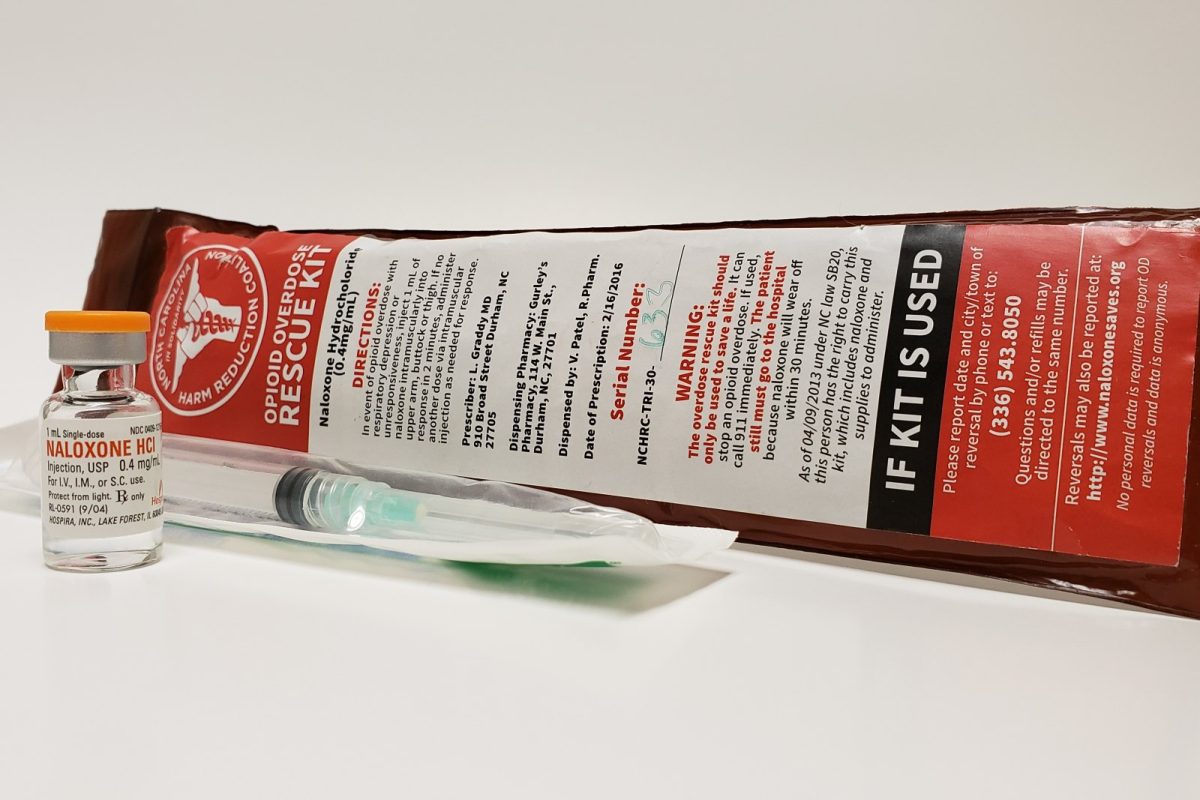
Fentanyl also saw an increase in 2024, driven primarily by an outbreak in Bulgaria: forensic services linked it to more than a hundred cases between 2024 and 2025. The EUDA highlights a detail that explains much of the harm: the country lacks take-home naloxone programs. With nitazenes, the story has a different geography. Estonia and Latvia saw their peak in 2023, with mortality rates six and five times higher than the European average; in 2024, the curve began to decline, but these opioids remained linked to nearly half of the deaths recorded in both countries.
What this implies
These figures should be read with caution. They are estimates based on provisional data; forensic systems in each country do not detect the same substances with the same sensitivity, and underreporting is likely, especially with new substances that laboratories do not yet screen for routinely. Comparisons between countries reflect as much about each system’s analytical capacity as they do about actual consumption.
That said, the underlying message is quite clear and has nothing to do with anyone’s morality. An opioid overdose is reversible if naloxone is nearby and someone knows how to use it, and the Bulgarian case demonstrates this through a negative example: the fentanyl outbreak coincides with a country lacking take-home naloxone programs. Knowing what is in a substance before consuming it serves a similar preventive function, which is why drug checking services are currently one of the most direct ways to detect a potent opioid where no one expected it—something we have already seen with orphinoids that test strips cannot detect. Harm reduction tools exist and are proven; what varies from one country to another is the political will to fund them.
Source
- EUDA. Overdose deaths in Europe: EUDA highlights growing concerns over highly potent opioids and cocaine. European Union Drugs Agency, September 4, 2026.
Educational content written from a harm reduction perspective and with respect for individual freedom. It is not a substitute for advice from a healthcare professional and is not intended to encourage or condemn any drug use.


