

In brief
- The Panorama study, involving 245 participants, is the second phase 3 trial of lysergide to show positive results for generalized anxiety.
- A single 100-microgram dose showed a least-squares mean HAM-A reduction of 9.8 points at 12 weeks, compared to 4.7 for the placebo.
- The company plans to submit an application to the FDA in the first half of 2027; the data has not yet undergone peer review.
Definium Therapeutics announced the preliminary results of Panorama on September 14, its second phase 3 trial of pharmaceutical-grade LSD in people with generalized anxiety disorder. The study met its primary endpoint and all key secondary endpoints. With the August study and a previous one in major depression, there have now been three positive phase 3 readouts for the same molecule in just over three months.
How the trial was conducted
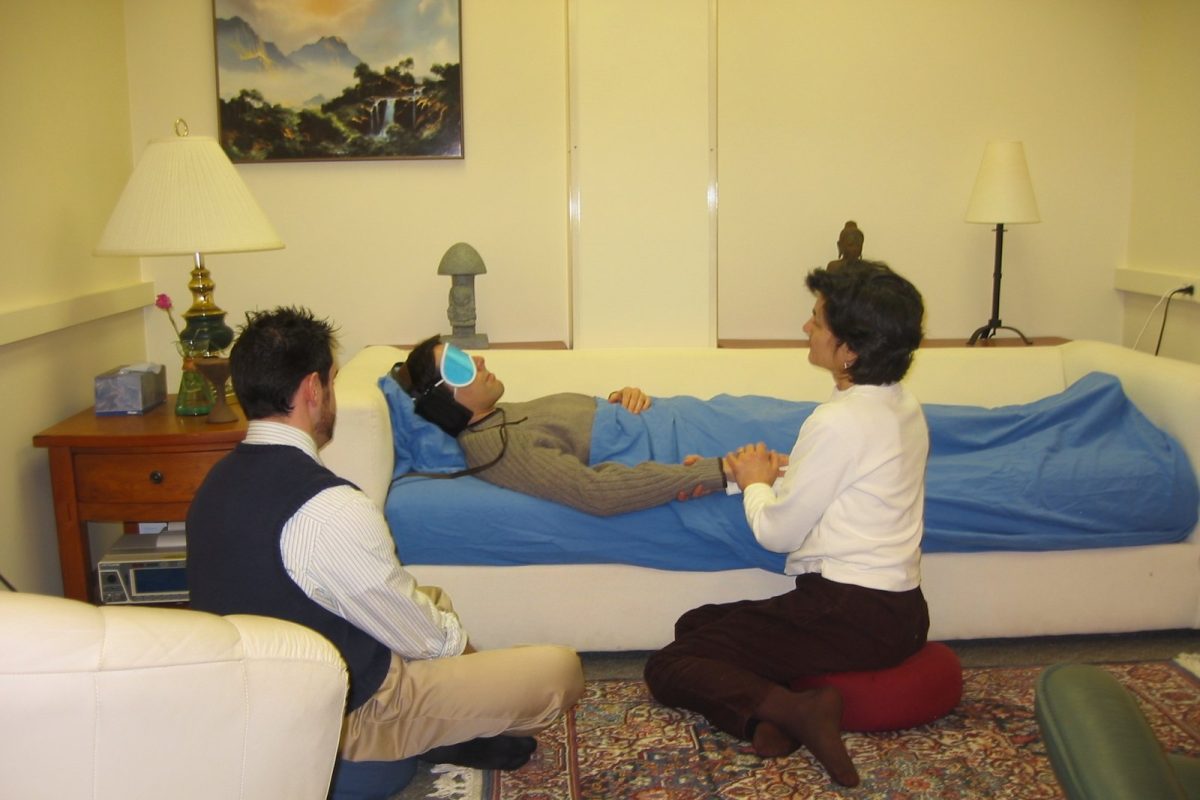
Panorama enrolled 245 participants across approximately 32 sites using a 2:1:2 double-blind distribution: 96 received a single 100-microgram dose of DT120, an orally disintegrating lysergide tablet; 52 received 50 micrograms; and 97 received a placebo. The primary measure was the change in the Hamilton Anxiety Rating Scale (HAM-A) twelve weeks after the single dose. The 50-microgram arm was not designed or powered for statistical comparisons, so its figures (3.5 and 3.6 points greater reduction than placebo at weeks 4 and 12) serve as a guide rather than proof.
The numbers
Those who took 100 micrograms showed a least-squares mean reduction of 9.8 points on the HAM-A scale. The placebo group saw a reduction of 4.7. The difference of 5.1 points resulted in a p-value of less than 0.0001 and an effect size (Cohen’s d) of 0.64, which is considered moderate in psychiatry. Thirty-two percent of those who received the high dose reduced their symptoms by at least half, compared to 14% in the placebo group; 15% reached remission, compared to 4%. Initial changes were observable as early as day 2.
Regarding adverse effects: 94.8% of participants in the 100-microgram group experienced them, almost always mild or moderate, transient, and concentrated on the day of administration. The most frequent in that group were perceptual distortions (68%), nausea (37%), and headache (24%). The company reported no drug-related serious adverse events and no suicidality safety signal or suicidal behavior, and dropout rates were virtually identical in both groups (10.4% vs. 10.3%). The mean time to meet end-of-session criteria was 6.2 hours, and 94% met them by eight hours, but the protocol required at least eight hours of monitoring. The molecule’s profile fits within that window.
What this implies
It is important to read this with a grain of salt: this is a results note from the company itself, not a peer-reviewed article. The full data will need to be published and withstand scrutiny from other teams. It is also a very restricted model of use: a single dose, in a clinical setting, with several hours of supervision, which is not the same as non-clinical use, where neither the dose nor the context is controlled in the same way.
Even so, the trajectory is striking. As of September 10, the phase 3 program had accumulated more than 1,000 treatment sessions, and across the entire program, 97% of people met the criteria for session completion within eight hours. An open-label extension allows participants to receive up to four additional 100-microgram doses over approximately 40 weeks, which will begin to provide insight into the duration of the effect. Definium plans to meet with the FDA in the fourth quarter of 2026 and submit the approval application in the first half of 2027. If successful, it would be the first classic psychedelic approved as a medication in the United States.
Source
- Definium Therapeutics. Definium Therapeutics Announces Positive Topline Results from Phase 3 Panorama Study of DT120 ODT in Generalized Anxiety Disorder. Company press release, September 14, 2026.
Educational content written from a harm reduction perspective and with respect for individual freedom. It is not a substitute for advice from a healthcare professional and is not intended to encourage or condemn any drug use.