

In brief
- A phase IIa clinical trial at Imperial College London has tested a single intravenous dose of DMT, the psychoactive compound in ayahuasca, in 34 people with treatment-resistant depression.
- The group that received DMT showed a reduction in depressive symptoms as early as the first week, with benefits lasting up to six months in some participants.
- There were no serious adverse effects or worsening of suicidal ideation, although the authors themselves urge caution due to the small sample size.
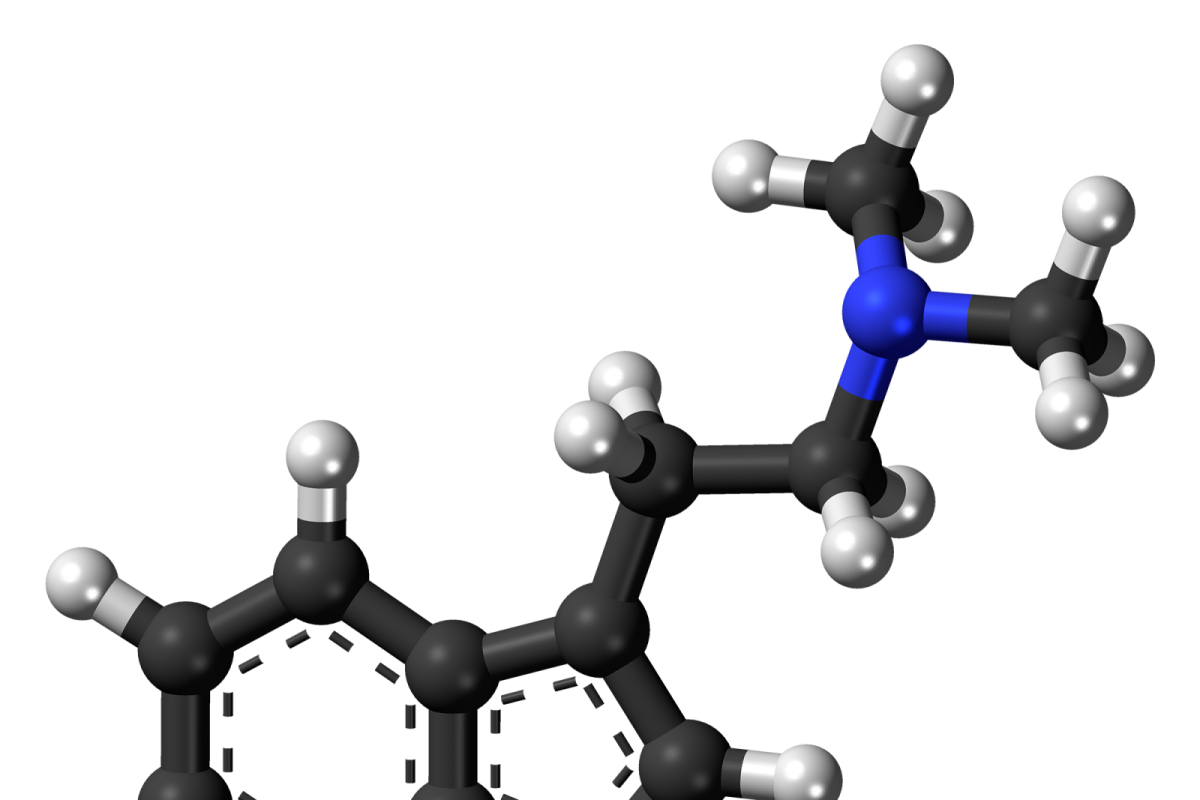
Researchers at Imperial College London have published results in the journal Nature Medicine from a phase IIa clinical trial evaluating N,N-dimethyltryptamine (DMT), the primary psychoactive compound in ayahuasca, as a potential treatment for depression that does not respond to standard therapies. A single 21.5 mg intravenous infusion, administered in just ten minutes, produced clinical improvements that persisted for weeks and, in some cases, months.
A two-phase trial with therapeutic support
The study, led by psychiatrist David Erritzoe, recruited 34 adults with moderate to severe depression who had previously failed at least two treatments, whether medication or psychotherapy. In the first phase—a randomized, double-blind, placebo-controlled trial—17 people received DMT and 17 received a placebo infusion, always with preparation sessions before the dose and in-person support from a therapist during the experience, which lasts about 25 minutes. After two weeks, the trial moved to an open-label phase where all participants could receive DMT, which also allowed for a comparison of the effects of one dose versus two.
Improvement from the first week
In the blinded phase, those who received DMT showed a mean reduction in symptoms on the Montgomery-Åsberg Depression Rating Scale (MADRS, the gold-standard clinical tool for measuring depression severity) that was significantly greater than the placebo group: a difference of about 10.8 points at one week and 7.4 points at two weeks. During the subsequent open-label phase, the antidepressant effect was maintained up to 12 weeks, and for some participants, the benefits lasted for six months. The open analysis detected no statistically significant one-versus-two-dose difference; design and sample size make it hypothesis-generating, not proof of equivalence or that one session suffices. Regarding safety, the most frequent adverse effects were pain at the injection site, nausea, and transient anxiety during the session; no treatment-related serious events or concerning suicidal-ideation changes were reported, without excluding uncommon risks. The trial was designed, funded, and sponsored by the pharmaceutical company Cybin UK (currently operating as Helus), which also provided the DMT compound used.
What this implies
The researchers themselves insist on caution: the sample is small (34 people), mostly young men, with little ethnic diversity, and those with a history of serious suicide attempts were excluded. Furthermore, since there was no placebo in the open-label phase, it is impossible to fully isolate how much of the improvement is due to the drug versus the therapeutic support and participant expectations. David Erritzoe summarizes it this way: “While these early results should always be interpreted with some caution, they are very promising for DMT therapy as a potential treatment for clinical depression.” Before DMT can be considered a standard treatment, phase III trials with many more participants will be necessary. For now, it remains an experimental substance for use exclusively in clinical settings under medical supervision.
Source
- Erritzoe, D. et al. A short-acting psychedelic intervention for major depressive disorder: a phase IIa randomized placebo-controlled trial. Nature Medicine, February 16, 2026.
Educational content written from a harm reduction perspective and with respect for individual freedom. It is not a substitute for advice from a healthcare professional and is not intended to encourage or condemn any drug use. Psychedelic treatments are experimental and are conducted in controlled clinical settings.

