

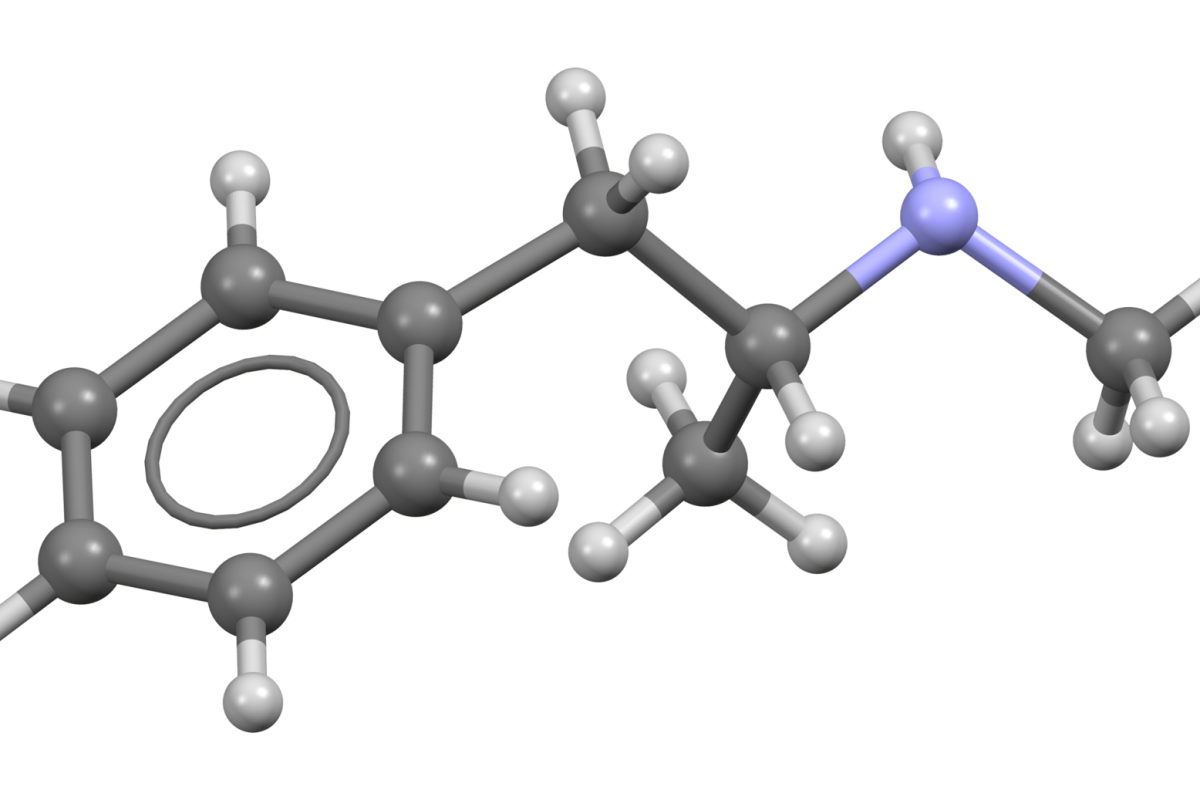
The landscape of psychoactive substances across the Old Continent is undergoing a quiet yet rapid transformation. While public opinion and mainstream media remain fixated on the opioid crisis or the resurgence of fentanyl-adulterated heroin, another phenomenon threatens to overshadow them both: methamphetamine. This synthetic compound, colloquially known in various parts of the world as shabu, crystal, or ice, has already displaced cocaine as the most widely used stimulant on the planet. Evidence suggests that Europe is hardly an isolated sanctuary; North American and Asian consumption patterns are setting a tempo that, with an inevitable lag, is now unfolding here.
In brief
- Emerging epidemiology: Methamphetamine is the second most widely consumed illicit drug worldwide, and its European expansion appears imminent, mirroring the delayed adoption curves seen with other substances.
- Ease of synthesis: Unlike cannabis or cocaine, which demand extensive agricultural land, methamphetamine is manufactured in low-cost, high-yield clandestine labs, often operating in spaces as compact as a residential bathroom.
- Neurotoxic risks: Chronic use causes persistent damage to the central nervous system, impairing memory and executive function, while potentially triggering severe drug-induced psychosis that demands specialized clinical intervention.
- Diverse routes of administration: While oral ingestion is sometimes used to sustain workplace productivity (common in parts of Asia), the most addictive routes involve smoking through dedicated glassware or intravenous injection—both inducing intense, immediate dopamine surges.
- The need for readiness: Emergency departments and addiction treatment centers must update their clinical protocols now to prepare for incoming waves of acute toxicity and severe stimulant withdrawal syndromes.
The Historical Pattern of Drug Use in Europe
To grasp the scale of the challenge ahead, we must examine the broader sociocultural context. Historically, illicit drug trends across Spain and greater Europe have functioned as a delayed echo of dynamics originating in the United States. When heroin surged in the US, Europe trailed by several decades; the same lag occurred with powder cocaine and crack. Today, North America grapples with extensive methamphetamine use, and European drug markets appear poised to follow a similar trajectory.
Institutional warnings frequently sound alarms over potential heroin shortages or opioid epidemics. Yet while the widespread availability of prescription opioids acted as a unique catalyst for the US epidemic, a direct replica of that crisis remains less probable in Western Europe in the near term. A far more acute danger lies in the contamination of regional drug supplies—specifically the adulteration of heroin or counterfeit pills with fentanyl and its analogues, an adulteration trend that drastically elevates mortality risks.
Underestimating methamphetamine amidst these overlapping crises would be a critical strategic mistake. Scientific literature and international monitoring agencies consistently indicate that its widespread European adoption is not a matter of if, but when. Addiction specialists, public health workers, and harm reduction advocates must familiarize themselves with this compound: its mechanisms of action, various routes of administration, and targeted detoxification and recovery protocols. Proactive preparation is always vastly superior to reacting once an epidemic is already in full swing.
History and Global Context
Methamphetamine did not originate as a street drug; it began as a legitimate pharmaceutical. First synthesized by Japanese chemist Akira Ogata in 1919, it was later patented and brought to market under brand names such as Methedrine. Throughout the 1920s and 1930s, its clinical and commercial profile expanded dramatically.
In Germany, the compound was marketed starting in 1938 under the brand name Pervitin, achieving dark notoriety when it was distributed en masse to Nazi troops before and during World War II to stave off fatigue, promote alertness, and drive endurance. Similarly, Imperial Japan distributed the stimulant to factory workers, military personnel, and kamikaze pilots to fuel the war effort. In the postwar aftermath, massive military stockpiles spilled into the domestic market, igniting a widespread public health crisis in East Asia, where millions became dependent users.
Allied forces, by comparison, relied predominantly on standard amphetamine sulfate. Over the following decades, international scheduling and stricter legal restrictions in the 1950s and 1960s pushed production underground into illicit channels. Today, while niche medical indications remain approved by regulatory bodies (such as select formulations for ADHD or severe obesity), these represent a tiny fraction compared to the vast illicit recreational market dominating global supply chains.
The Economics of the Clandestine Lab
One of the primary drivers behind methamphetamine’s global expansion is its economic profile. Synthesizing methamphetamine is vastly simpler, cheaper, and less resource-dependent than processing plant-based drugs like hashish, heroin, or cocaine.
It requires neither vast agricultural fields nor extensive field labor; a fully functional laboratory can be operated within the confines of a residential bathroom or small garage. This eliminates the massive logistical vulnerabilities of international bulk crop transit and dramatically lowers overhead costs for trafficking organizations. The chemical pathways are widely documented and rely on accessible precursors, allowing non-specialists to establish production sites with minimal technical barriers to entry.
From a financial standpoint, the profit margins are staggering. For instance, obtaining key chemical precursors like BMK (benzyl methyl ketone) costs around 900 euros on the black market and roughly 100 euros through legitimate industrial channels. From a single kilogram of precursor, illicit chemists can yield approximately 1.25 kilograms of high-purity methamphetamine. Broken down and sold at street level in one-gram units, gross returns can easily exceed 43,000 euros. This financial equation makes methamphetamine an exceptionally lucrative commodity for both organized crime cartels and decentralized micro-producers.
From the user’s perspective, methamphetamine also presents a distinct economic calculation compared to cocaine. Where a single line of cocaine yields effects lasting from 30 minutes to a couple of hours, methamphetamine’s metabolic half-life translates into highs that can persist for 12 to 24 hours, or even stretch across multiple days, providing prolonged stimulation for a fraction of the cost.
Definition and Physical Properties
Pharmacologically, methamphetamine is a potent central nervous system stimulant. In the illicit market, it typically appears as a hydrochloride salt: translucent, colorless crystals, or coarse white powders that dissolve readily in water.
This high solubility makes it adaptable to nearly every route of administration, with preferences often shaped by subculture and geographic region:
- Oral ingestion: Frequently utilized in occupational settings across parts of Asia, where workers take pressed pills to endure grueling physical labor.
- Intravenous injection: More common among marginalized or high-frequency user groups, carrying acute risks of abscesses, endocarditis, and bloodborne pathogen transmission (such as HIV and Hepatitis C).
- Vaporization (smoking): The most habit-forming route due to instantaneous absorption through the lungs, resulting in immediate, intense dopamine spikes. This requires specialized glass pipes designed for indirect heating or “chasing the dragon” off aluminum foil, as conventional direct-flame pipes destroy the active chemical.
- Insufflation (snorting): Crushed into fine powder and inhaled through the nostrils, similar to standard cocaine consumption patterns.
Physiology of the High: Euphoria and Neurotoxicity
Methamphetamine exerts its pharmacological effects by triggering a massive release—and concurrently blocking the reuptake—of monoamine neurotransmitters, primarily dopamine, norepinephrine, and to a lesser extent, serotonin. This cascade produces profound euphoria, boundless confidence, and a subjective sense of limitless energy.
During acute intoxication, standard physiological needs fade: users experience virtually no hunger, fatigue, or desire for sleep. The user frequently exhibits motor hyperactivity, heightened verbosity, and in many instances, marked hypersexuality. Yet this intense sense of vitality is pharmacologically induced and biologically unsustainable.
The adverse effects are extensive and range from immediate physical distress to long-term neurocognitive degradation:
- Physical symptoms: Severe xerostomia (dry mouth), appetite suppression leading to rapid malnutrition, chronic sleep deprivation, and dermatological lesions caused by compulsive skin picking (formication).
- Cardiovascular risks: Profound tachycardia, acute hypertension, vasospasm, and high vulnerability to sudden myocardial infarction or hemorrhagic stroke.
- Neurological decline: Marked neurotoxicity represents one of the compound’s greatest dangers. Chronic use damages dopamine and serotonin axonal terminals, impairing working memory, emotional regulation, and higher-order executive function.
- Drug-induced psychosis: Extended binges, severe sleep deprivation, or elevated doses regularly precipitate paranoid delusions, persecutory ideation, and intense tactile or auditory hallucinations.
Harm Reduction Strategies and Critical Analysis
Because methamphetamine carries a high risk profile and a severe liability for physiological and psychological dependence, any public discourse around its use must be grounded in pragmatic harm reduction. The objective is not to normalize consumption, but to reduce immediate harms, prevent fatalities, and safeguard individual and community health.
It is vital to distinguish clinical evidence from common street myths:
- Myth: “As long as I don’t feel addicted, I can keep using without issue.”
Evidence: Neurochemical tolerance develops rapidly. Doses that once provided euphoria soon become insufficient, driving dose escalation that dramatically compounds cardiovascular strain and neurotoxicity. - Myth: “Because it is synthetic, it is cleaner and safer.”
Evidence: Clandestine synthesis lacks regulatory quality control. Street supplies frequently vary widely in potency and may carry unreacted chemical reagents, toxic processing solvents, or active contaminants. - Immediate danger: Combining methamphetamine with central nervous system depressants like alcohol, GHB, or benzodiazepines masks subjective intoxication cues, drastically raising the danger of cardiovascular collapse, respiratory depression, and acute overdose.
For medical personnel and emergency responders, basic life support protocols in suspected stimulant toxicity focus on immediate symptomatic stabilization: ensuring airway patency, actively managing hyperthermia (which can rapidly lead to rhabdomyolysis and multi-organ failure), and stabilizing vital signs with aggressive hydration and judicial use of sedatives (such as benzodiazepines for severe agitation). There is no specific chemical antagonist for methamphetamine; medical management remains entirely supportive.
Conclusion: The Need for Proactive Vigilance
Methamphetamine represents one of the most formidable public health challenges facing Europe in the coming decades. Its decentralized manufacturing footprint, high profit margins, and destructive dependency profile demand that health agencies, social workers, and policymakers act preemptively rather than reactively.
Waiting for hospital emergency departments to be overwhelmed before reforming drug policies is an ineffective strategy. Early intervention must prioritize clear, honest education regarding real pharmacological risks, actively dismantling the illusion of the “manageable stimulant.” Concurrently, community addiction centers require specialized clinical frameworks tailored to stimulant dependence, emphasizing multidisciplinary approaches that combine evidence-based behavioral therapies (such as Cognitive Behavioral Therapy and Contingency Management) with comprehensive medical oversight.
At Psiconáutica, we believe that an informed public is the cornerstone of effective drug policy and health protection. Objective, scientifically grounded awareness remains our most powerful tool for navigating an evolving psychoactive landscape—basing our collective response on verified clinical evidence rather than sensationalism, apathy, or fear.