

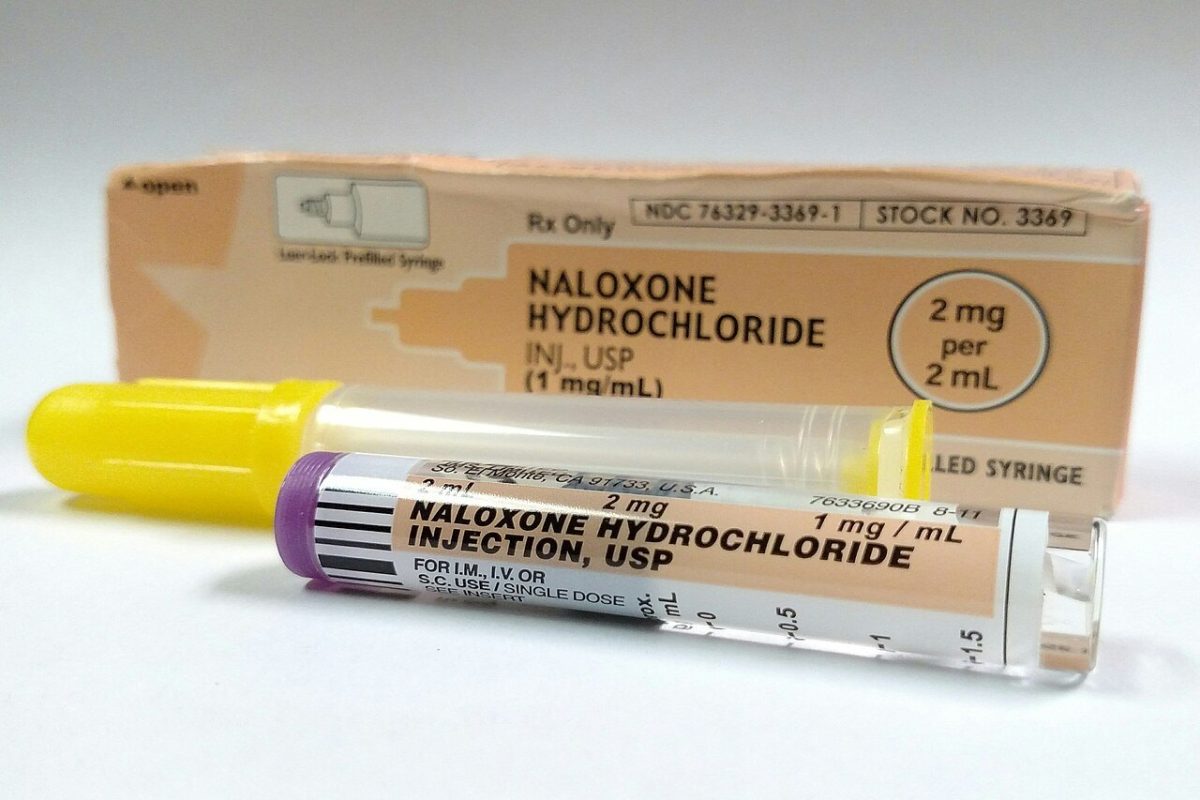
Managing emergencies arising from psychoactive drug use represents one of the most critical crossroads connecting clinical medicine, pharmacology, and public health. In the context of opioid use, acute overdose constitutes an immediate life-threatening crisis requiring a precise grasp of both underlying pathophysiology and available medical countermeasures. Naloxone stands out as an indispensable opioid receptor antagonist designed to rapidly reverse life-threatening toxicity; however, its widespread deployment frequently encounters entrenched social resistance and bureaucratic hurdles.
In brief
- Mechanism of action: Naloxone displaces opioids from brain receptors, reversing severe respiratory depression within minutes.
- Rebound toxicity risk: Because its half-life is shorter than that of many potent opioids, secondary overdose can occur after initial reversal wears off.
- Social barriers: Take-home naloxone programs often face objections rooted in myths regarding morality and safety, ignoring clear epidemiological data.
- Risk profile: Roughly 80% of fatal overdoses occur among individuals with chronic opioid dependence and high tolerance, rather than novice users.
Clinical Definition and Pathophysiology of Opioid Overdose
Addressing this health crisis effectively requires an operational clinical definition that moves beyond mere semantics. In standard pharmacology, an overdose is defined as the administration of a drug dose exceeding the amount required to achieve a therapeutic effect at a given moment. When applied to illicit opioids, however, this quantitative definition proves inadequate due to physiological tolerance.
Tolerance develops as the nervous system adapts to chronic opioid receptor occupancy, requiring progressively higher doses to achieve analgesia or euphoria. Consequently, a dose that would prove rapidly fatal to an opioid-naive individual may cause negligible impairment in a chronically tolerant user. In practical harm reduction and clinical practice, an opioid overdose is identified not by milligram intake, but by life-threatening clinical signs: deep stupor or unresponsiveness, pinpoint pupils (miosis), and profound respiratory depression that can rapidly progress to fatal cardiac arrest.
Epidemiological data underscore the gravity of this crisis. Overdose is the leading cause of premature death among individuals who use opioids. Annual mortality rates within this population hover between 1% and 3%, representing a six- to twenty-fold increase in all-cause mortality compared to demographic peers. It is vital to note that not all deaths in this group stem directly from acute toxicity; secondary infections such as HIV and viral hepatitis, along with social vulnerability and violence, also contribute heavily.
Pharmacokinetically and epidemiologically, intravenous administration concentrates the highest risk. The vast majority of fatal events occur among people who inject opioids. These individuals typically have long histories of regular use spanning five to ten years, highlighting the chronic nature of the condition. In contrast, occasional or purely experimental encounters account for less than 17% of total overdose fatalities.
The Human Factor in an Overdose Crisis
A crucial and often overlooked dynamic is the social setting in which an overdose occurs. Between 58% and 79% of fatal overdoses happen in the presence of bystanders or peers. The tragedy lies in the fact that despite witnesses being present, lifesaving interventions are frequently delayed by fear of criminal prosecution, panic, or a lack of basic rescue knowledge.
The window for medical intervention is narrow yet viable: in more than half of fatal cases, death occurs one to three hours following the last dose. This multi-hour window demonstrates that many overdose deaths are entirely preventable when rapid, stigma-free emergency protocols are in place.
Naloxone: Mechanism, Efficacy, and Pharmacokinetic Limits
Naloxone functions as a high-affinity competitive antagonist at mu-opioid receptors. Upon administration, it swiftly knocks opioid agonists—such as morphine, heroin, or fentanyl—off receptor sites throughout the central and peripheral nervous systems. Clinically, this displacement produces a rapid restoration of spontaneous respiration and consciousness.
Understanding the pharmacokinetic limitations of naloxone is critical for safety. The elimination half-life of naloxone is relatively brief, ranging between 30 and 90 minutes depending on route and individual metabolic clearance. In contrast, the half-life of many synthetic opioids and their active metabolites is substantially longer.
This temporal mismatch creates a distinct clinical hazard: renarcotization or rebound respiratory depression. Once circulating naloxone levels decline below therapeutic thresholds, remaining agonist molecules can reoccupy opioid receptors, triggering renewed respiratory collapse. Clinical documentation from emergency departments worldwide underscores that unmonitored reversal without subsequent medical observation can lead to secondary fatalities.
The Distribution Debate: Empirical Evidence Versus Moral Myths
The question of whether naloxone should be distributed directly to people who use drugs and their peers has sparked heated public debate. Harm reduction advocates argue that because overdoses predominantly happen in peer settings, placing naloxone directly into the hands of potential first responders saves countless lives each year.
Nevertheless, community-based distribution initiatives frequently confront recurring objections that require rigorous, evidence-based refutation:
The Myth of Moral Hazard
A common assertion posits that readily available naloxone encourages reckless drug use or incentivizes dose escalation. The premise assumes that knowing an overdose can be reversed leads individuals to take greater risks. Empirical public health data consistently refute this claim. The visceral dread of fatal overdose remains a profound deterrent, and research shows no correlation between naloxone availability and increased consumption.
Acute Withdrawal as a Practical Barrier
Another common discussion involves reluctance to administer naloxone due to the severe, instantaneous withdrawal symptoms it provokes. Reversal abruptly plunges an opioid-dependent person into acute precipitated withdrawal, marked by nausea, severe muscle cramps, and intense psychological agitation. In a life-threatening crisis, however, airway preservation takes immediate priority. Naloxone administration is not a punitive measure, but an essential resuscitation protocol that stabilizes the individual for medical transfer.
Legal Protections and Structural Stigma
Resistance to distributing naloxone is frequently rooted in moral discomfort surrounding drug use rather than scientific critique. Supplying naloxone does not condone illicit drug consumption; it simply represents a pragmatic public health measure to prevent immediate death while wider healthcare pathways are developed.
Complications and Clinical Challenges
While naloxone has an exceptional safety profile, its clinical deployment demands proper training. Rapid administration of excessive doses can trigger pulmonary edema, severe agitation, or cardiac dysrhythmias in vulnerable patients. These reactions are manageable within standard emergency medical protocols.
The paramount priority is peer education. Responders must understand the discrepancy between naloxone’s short half-life and the duration of long-acting opioids. Community training initiatives that clearly explain rescue breathing, positioning, and when to seek emergency medical evaluation are fundamental to reducing fatal outcomes.
Public health history demonstrates that structured, peer-led naloxone distribution accompanied by comprehensive harm reduction education produces massive net-positive survival outcomes. The priority is not restricting access to this life-saving medicine, but ensuring informed, rapid, and compassionate deployment.
Editorial Conclusion
Naloxone exemplifies how pharmacological innovation can provide direct answers to complex social and medical challenges. Its clinical efficacy is beyond doubt: it restores breathing to individuals on the brink of asphyxiation. Yet its full lifesaving potential remains constrained by social prejudice and administrative friction.
At Psiconáutica, we maintain that substance use must be met with scientific objectivity, rigorous harm reduction, and unwavering respect for human dignity. Reducing preventable deaths is a fundamental duty. Overcoming stigma through fact-based public health education remains our most effective strategy for saving lives.
Responsible management of opioid emergencies requires moving past outdated moralizing to focus on what actually works: education, equitable access to essential medications, and rapid medical response systems. Only then can we replace preventable tragedy with compassion and health recovery.