

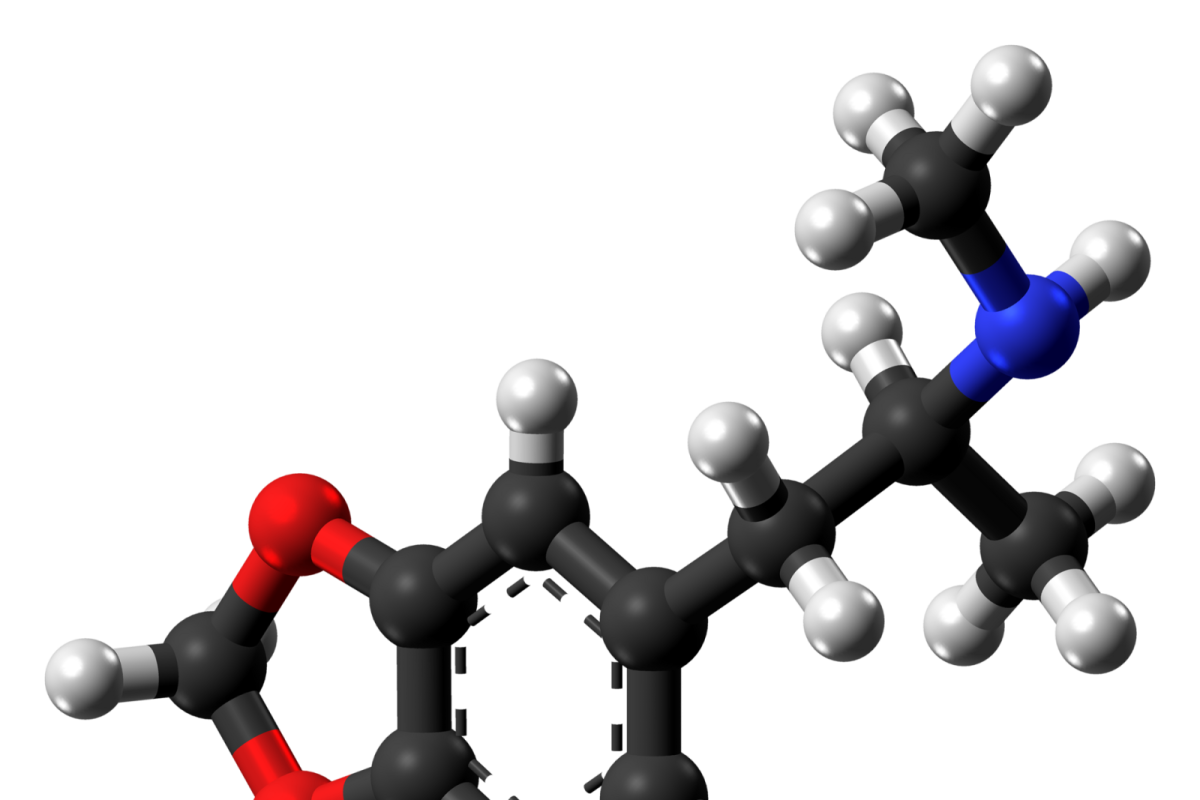
In the complex ecosystem of the underground drug economy, the chemical identity of products is often a mystery to the end consumer. A particularly relevant phenomenon in our country is the substitution of 3,4-methylenedioxymethamphetamine (MDMA)—popularly known as ecstasy or “crystal”—with methamphetamine. This practice is not merely a result of supply shortages, but rather specific market dynamics that have turned a potent stimulant into the primary adulterant detected by toxicological analysis services.
In brief
- Pharmacological divergence: Methamphetamine is a powerful CNS stimulant, whereas MDMA acts primarily as an empathogen with mild stimulant effects.
- Risk of overstimulation: Consuming typical ecstasy doses (80–100 mg) of methamphetamine causes extreme hyperactivity, severe anxiety, and hypertensive crises.
- Duration of effect: Methamphetamine effects last between 2 and 4 hours, causing prolonged insomnia after use, unlike MDMA, which typically allows for sleep afterward.
- Comparative addiction: The potential for abuse and psychological dependence on methamphetamine is significantly higher than that of pure ecstasy.
- Safety strategies: Testing with a Marquis reagent (which turns orange-brown) and prior analysis at certified laboratories are vital tools for harm reduction.
The context of the Spanish black market
The presence of methamphetamine in samples analyzed by organizations like Energy Control over the last decade reveals an alarming trend. Unlike in the United States, Canada, or the Czech Republic, where the use and production of this substance are endemic, its recreational use in Spain is marginal. However, this does not prevent it from appearing en masse on the streets under the erroneous label of “crystal.”
From an economic perspective, this phenomenon is curious and paradoxical. Methamphetamine has a higher market price than pure MDMA. Theoretically, substituting ecstasy with methamphetamine should reduce profit margins for the seller, as they are selling a more expensive product as if it were a cheaper one. Nevertheless, the opacity of the black market and the urgency of turning a quick profit in the face of MDMA shortages make this adulteration a palpable reality.
What is methamphetamine really?
Pharmacologically, methamphetamine (also known as desoxyephedrine or N-methylamphetamine) belongs to the phenethylamine family. It is a substance that crosses the blood-brain barrier with extreme ease, which gives it a stimulant potency superior to that of classic amphetamine.
Although it has regulated therapeutic indications for the treatment of disorders such as narcolepsy or ADHD (Attention Deficit Hyperactivity Disorder), its use outside of a clinical setting is illegal and dangerous. In the illicit market, it is usually presented as a white or off-white, crystalline, odorless powder with an intense bitter taste. It can also be found in capsules or in large crystals that visually mimic MDMA.
Key differences: Methamphetamine vs. Ecstasy
The confusion between the two substances is the root of many bad experiences and medical emergencies. It is imperative to distinguish their profiles:
- Mechanism of action: MDMA releases serotonin, dopamine, and norepinephrine, generating an empathic, affective, and connective experience. Methamphetamine acts primarily by releasing large amounts of dopamine and norepinephrine, causing euphoria centered on physical energy and intellectual performance.
- Dosage: A safe average dose of MDMA ranges between 80 and 100 milligrams. In contrast, methamphetamine is much more potent; an effective dose is between 12 and 30 milligrams. Taking 80–100 mg of methamphetamine is equivalent to consuming a lethal or toxic amount for the cardiovascular system.
- Temporal profile: The effect of MDMA usually subsides in a period that allows for sleep. Methamphetamine, by remaining active longer (2–4 hours), induces severe insomnia and prolonged agitation after the session.
Health risks: Harm reduction
The consumption of methamphetamine carries risks that far exceed those of MDMA. The massive stimulation of the central nervous system triggers a cascade of dangerous physiological responses:
Acute and cardiovascular effects
Ingesting this substance triggers tachycardia, significant high blood pressure, increased respiratory rate, and hyperthermia (a dangerous increase in body temperature). In addition, it is common to experience extreme dry mouth, difficulty urinating, compulsive jaw clenching, and seizures. Loss of appetite is another characteristic symptom.
Dependence and psychosis
Methamphetamine has a very high addictive potential. The desire to consume (craving) becomes uncontrollable, and abrupt withdrawal generates severe symptoms such as deep anxiety, clinical depression, chronic insomnia, and incapacitating sadness. In cases of intensive use or lack of rest, psychotic disorders characterized by auditory or visual hallucinations and persecutory paranoia can develop.
Dangerous pharmacological interactions
Simultaneous consumption with other substances multiplies the risk. Combining it with other stimulants (cocaine, amphetamines) can lead to fatal overstimulation. On the other hand, mixing it with depressants like alcohol or ketamine can mask the signs of toxicity, leading the user to consume larger amounts without realizing it.
It is crucial to highlight interactions with medications: concomitant use with Monoamine Oxidase Inhibitors (MAOIs), certain tricyclic antidepressants, or furazolidone can cause severe hypertensive reactions and even a lethal hypertensive crisis. Likewise, people with a history of glaucoma, diabetes, cardiovascular disease, or hyperthyroidism should avoid its consumption under any circumstances.
Identification and on-site testing
Given the impossibility of determining exact purity without a laboratory, it is strongly recommended to go to analysis services such as Energy Control, Ai Laket!, or Hegoak before consumption. If this is not possible, there are preliminary methods to identify the substance:
A simple test consists of applying a few drops of Marquis reagent to a sample of the powder. Methamphetamine will produce an orange to reddish-brown coloration. Conversely, if the reaction is black or bluish, it is very likely to be MDMA (or a similar compound). Never consume a substance without verifying its chemical identity.
Additionally, in the case of nasal consumption, always use personal and non-transferable equipment to prevent the transmission of infections. If the substance is in crystal form, crush it before inhaling to avoid severe nosebleeds.
What to do in case of intoxication?
Signs of toxicity vary according to severity: from mild agitation and irritability to delirium, seizures, and coma in severe cases. If you or someone nearby exhibits these symptoms:
- Isolate the environment: Separate the person from the party and ensure they are in a cool, ventilated place.
- Do not overwhelm: Speak to them calmly to reduce their anxiety. Emotional overstimulation can worsen the physical situation.
- Controlled hydration: Offer water if they are conscious, but watch for signs of vomiting or respiratory difficulty.
- Immediate medical attention: If seizures, loss of consciousness, or high fever occur, go to the emergency room without delay. Do not consume more that night to avoid cumulative complications.
Editorial closing
Psychonautics invites us to navigate the complexity of the chemical environment with prudence and knowledge. Methamphetamine sold as ecstasy is a reminder that the physical appearance of a drug does not guarantee its identity or safety. In Spain, where recreational consumption of this substance is a minority but present on the streets, education about its specific risks is vital to prevent medical emergencies.
Awareness of the difference between an empathogen and a potent stimulant can save lives. If you have any doubts about the content of a sample, the golden rule is: analyze before you consume. Mental and physical health depend on informed decisions and respect for the laws of pharmacology.


