

In brief
- Five days of MDMA administration rapidly lowered the amount of alcohol consumed by rats genetically selected for ethanol preference.
- The effect was accompanied by changes in two brain opioid peptide systems (dynorphin and nociceptin) in the amygdala and ventral tegmental area, but not in the nucleus accumbens.
- This is an animal model involving repeated daily dosing; it cannot simply be extrapolated to MDMA-assisted psychotherapy currently being trialed in humans.
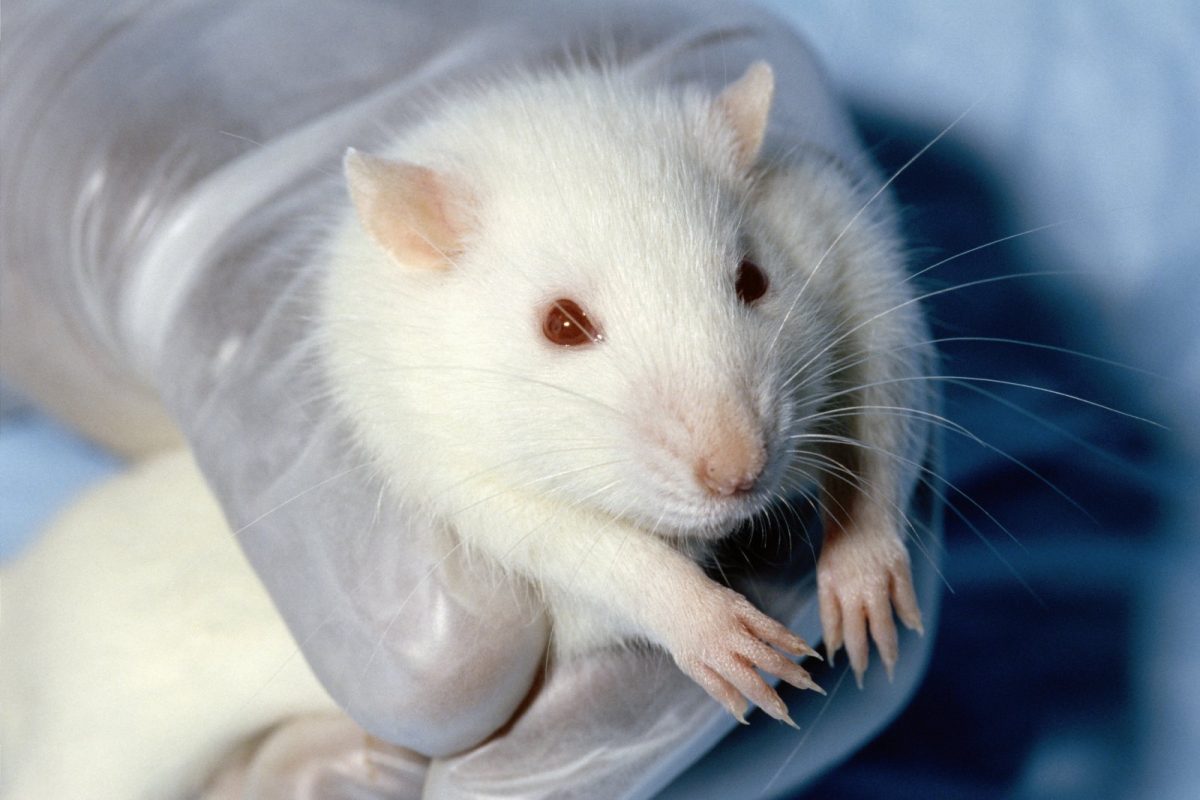
A research team from the Universities of Bologna, Camerino, and Sapienza University of Rome has published findings showing that administering MDMA for five consecutive days reduces voluntary alcohol intake in a rat strain bred over generations specifically to drink excessively. The study appeared on September 11 in the journal Neuropharmacology and examined not only behavioral changes, but also neurochemical shifts occurring within the animals’ brains.
Rats bred to drink
The model is known as msP (short for Marchigian Sardinian alcohol-preferring). These rats were developed through decades of selective breeding, drinking alcohol spontaneously and consistently whenever it is made available. Their value for research lies not just in how much they drink: these animals enter experiments with preexisting alterations in two opioid peptide pathways—dynorphin and its kappa receptor, and nociceptin and the NOP receptor. Both systems feature prominently throughout scientific literature on dysphoria, stress, and relapse.
What they did and what they found
The researchers administered intraperitoneal injections of MDMA at 8 mg/kg for five consecutive days. Ethanol consumption dropped quickly and, as the authors describe, without triggering an increase in anxiety-like behavior in the animals. When analyzing brain tissue, they observed that repeated alcohol exposure had elevated dynorphin expression and disrupted messenger RNA in the nociceptin/NOP system within both the amygdala and the ventral tegmental area. MDMA reversed this trend: it reduced dynorphin and the kappa receptor gene Oprk1, while modulating the nociceptin system in those same two regions. No comparable changes were observed in the nucleus accumbens, suggesting the effect is region-specific rather than a widespread sweep across the brain.
Guided by that clue, the team took a second step: microinjecting MDMA directly into the central amygdala at doses of 0.3, 1, and 10 µg per side. Twenty-four hours later, alcohol intake had dropped significantly. In a separate experiment, they injected the 10 µg per side dose into the ventral tegmental area, where no change was detected under the tested conditions.
What this implies
The paper itself frames these findings alongside preliminary clinical data pointing to MDMA-assisted psychotherapy as a potential treatment for alcohol use disorder, an area where existing therapies often fall short. What this study provides is a concrete mechanistic candidate: the central amygdala and the balance between dynorphin and nociceptin.
Still, it is important not to overstate the conclusions. These are rodents, not humans. A five-day regimen of daily injections bears little resemblance to the one to three spaced sessions used in human clinical protocols, and a rat cannot report on its subjective experience. A drug reducing intake in a genetic model of heavy drinking is an intriguing signal, not a proven therapy. For those who use drugs on their own, the takeaway remains unchanged: understanding dosage, interactions, and setting is essential to harm reduction, and mixing MDMA with alcohol is in no way what was investigated here. In addiction research, other compounds like ibogaine have spent years treading that very same path from the bench to the clinic.
Source
- Rullo L, Losapio LM, Mrizak H, et al. MDMA administration reduces ethanol drinking and is associated with altered nociceptin and dynorphin system gene expression in alcohol-preferring rats. Neuropharmacology, September 11, 2026.
Educational content written from a harm reduction perspective and with respect for individual freedom. It is not a substitute for advice from a healthcare professional and is not intended to encourage or condemn any drug use.


