

In brief
- A Northeastern team studied mescaline with fMRI in awake rats. Priority across the entire literature is not certified here.
- Lower cerebellar BOLD and greater functional connectivity were observed. This is not neuronal shutdown; hyperconnectivity has also been described with other psychedelics.
- The ability to filter auditory stimuli is selectively altered based on frequency, in a pattern reminiscent of that described in the early stages of schizophrenia.
A Northeastern University team published in Neuroscience Bulletin an fMRI study in awake rats. It describes lower cerebellar BOLD and greater functional connectivity, rather than a direct comparison with LSD or psilocybin under identical conditions or a test of therapeutic effects in people.
A classic psychedelic rarely examined with MRI
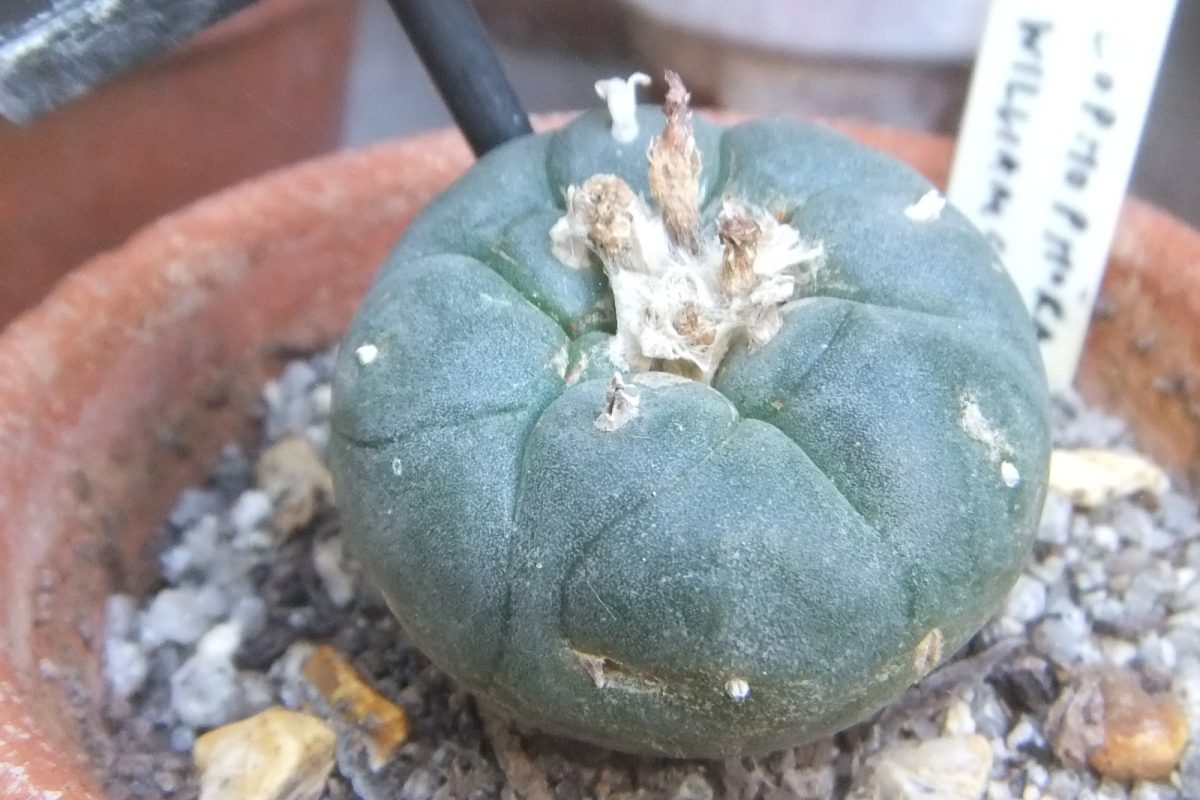
Mescaline is, along with the peyote that contains it, one of the psychoactive substances with the longest documented ceremonial history, with thousands of years of recorded use in communities in northern Mexico and the southwestern United States. Despite this history, its classification as a controlled substance has left its neurobiology much less explored than that of LSD or psilocybin. The team led by doctoral candidate Noah Cavallaro and Professor Craig Ferris sought to bridge part of this gap using fMRI in conscious rats, a technique that allows for the observation of brain activity in real time without the need for anesthesia. As Psiconáutica’s own guide on harm reduction notes, the better a substance’s mechanism is understood, the better one can be informed about its actual effects, beyond myths or alarmism.
BOLD signal and functional connectivity: indirect measures
Twenty-four rats were studied in two groups of twelve using one animal dose of 50 mg/kg. Lower cerebellar BOLD and greater functional connectivity with other regions were observed. BOLD is an indirect hemodynamic signal: not neuronal shutdown or new anatomical connections. Respiration, pulse and blood gases were not monitored concurrently to separate neural and vascular contributions. In a separate acoustic experiment with sixteen animals, the treatment–frequency interaction was significant. Reported PPI changes were +27.6% at 4 kHz, +27.3% at 20 kHz and −16.4% at 12 kHz; individual contrasts were not all significant: p=0.037 at 4 kHz, p=0.051 at 20 kHz and nonsignificant at 12 kHz. Schizophrenia parallels are authors’ hypotheses rather than clinical equivalence or prediction of psychosis. The methods text states differing FDR values (0.05 and 0.2), unresolved here. For general context, consult the psychedelics hub.
What this implies
These are preclinical findings in rodents. A rat cannot describe its subjective experience and BOLD is indirect. The work does not establish an exclusive signature versus LSD or psilocybin, equivalence with schizophrenia or clinical efficacy and safety. Direct comparisons, physiological control and replication are needed to resolve those questions.
Source
- Northeastern University. “Mescaline Drug Effects: What It Does to the Brain” (study by Cavallaro, N., Ferris, C. et al., “Mescaline Alters Cerebellar Function, Global Connectivity, and Frequency-Selective Acoustic Gating: A BOLD fMRI Study in Awake Rats”, Neuroscience Bulletin). News @ Northeastern, July 20, 2026.
Educational content written from a harm reduction perspective and with respect for individual freedom. It is not a substitute for advice from a healthcare professional and is not intended to encourage or condemn any drug use.