

In brief
- The Spanish Early Warning System, part of the National Plan on Drugs, has detected undeclared synthetic cannabinoids in products labeled as CBD.
- The identified compounds are HHC and MDMB-4en-PINACA, found in oils, vape cartridges, flowers, and resins.
- The issue is not the cannabidiol itself; it is that no one is analyzing what is actually inside the bottle.
The Ministry of Health, through the Spanish Early Warning System (SEAT), issued a notice on August 11 regarding products sold as CBD that actually contain synthetic or semi-synthetic cannabinoids not declared on the label. The alert includes data from the European Union Drugs Agency (EUDA), which has been tracking this upward trend since 2025 across several European Union countries.
What has been found
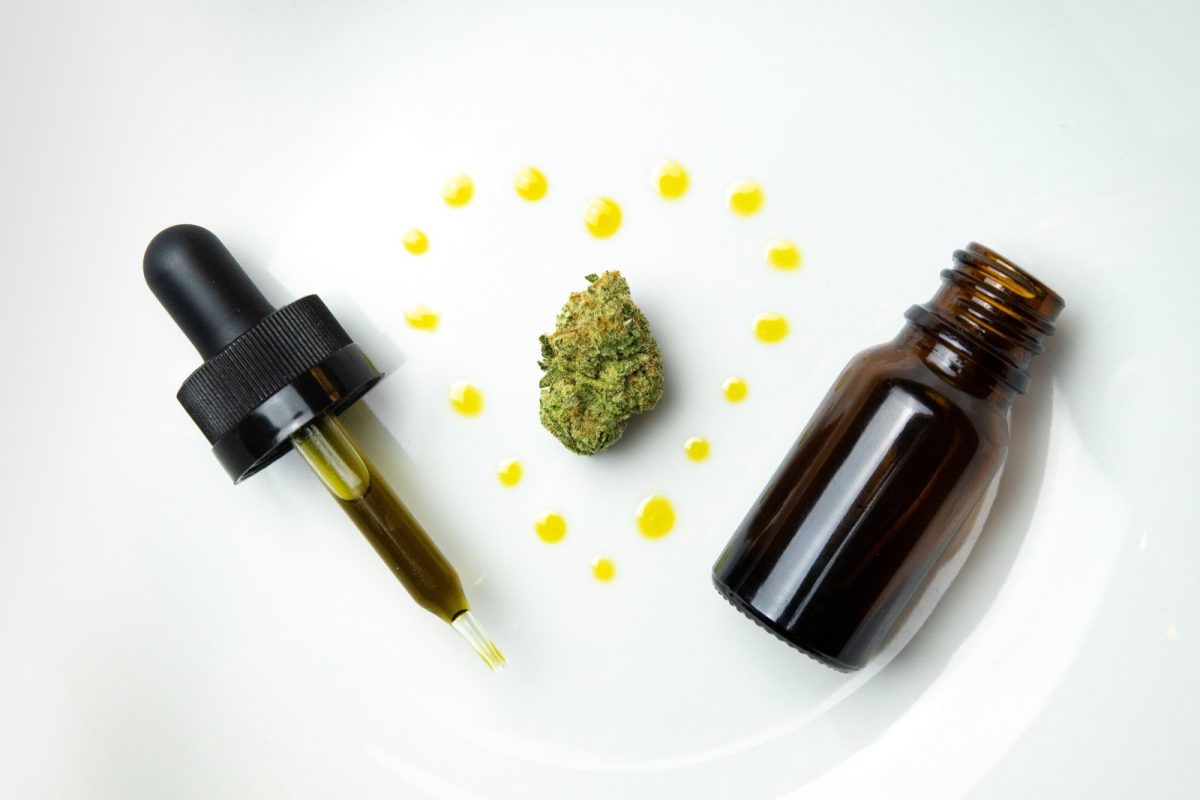
There are two specific findings on the table, provided by the General State Customs Laboratory and the National Focal Point of Cyprus. The first: a bottle advertised as 50% CBD oil that, upon analysis, was found to contain hexahydrocannabinol (HHC). The second: vape cartridges labeled as cannabigerol (CBG) derivatives that contained MDMB-4en-PINACA, a synthetic cannabinoid with potency far superior to natural THC. The phenomenon is not limited to one format: the alert mentions flowers and resins, e-cigarette liquids, disposable vapes, and, to a lesser extent, edibles. It also spans various channels: specialty shops, electronics stores, public vending machines, and online sales.
Where the real risk lies
It is important to identify the problem correctly, as it is easy to misinterpret. The risk here does not come from cannabis or CBD, which is rightly perceived as a low-risk product without significant psychoactive effects. The risk comes from the surprise: someone who buys a product thinking it contains cannabidiol may end up inhaling a dose of a much more potent compound, with a different effect profile and no information to anticipate it or adjust the quantity. This explains the spike in acute intoxications reported by emergency services and toxicological information centers in various parts of Europe. A market without analysis protects no one; it leaves every person blind to what they are buying.
What this implies
This alert is, above all, a traceability problem. The useful information for those who already use CBD products is practical: the origin and the batch certificate of analysis matter as much as the quantity. Buying from sources that publish these analyses significantly reduces the probability of encountering something else. If you experience an unexpected psychoactive effect from a product that should not have one, the sensible thing to do is stop and, if there is intense discomfort, seek medical attention. Drug checking services have been calling for exactly this in the market for cannabis and its derivatives for years, and this episode proves them right. We have developed guidelines in our pillar on harm reduction and responsible use, and information on other substances and their profiles can be found in the Psychedelics Guide. In July, we reported that a decade of analysis in Spain showed that the majority of samples arrive unadulterated. The conclusion from both sets of data is the same: analysis works.
Source
- Ministry of Health / Spanish Early Warning System (PNSD). The Ministry of Health warns of the sale of CBD products adulterated with synthetic cannabinoids. lasDrogas.info, August 18, 2026.
Educational content written from a harm reduction perspective and with respect for individual freedom. It is not a substitute for advice from a healthcare professional and is not intended to encourage or condemn any drug use.


