

In brief
- A team at Copenhagen’s Rigshospitalet has used PET imaging to measure, for the first time in humans, whether a single dose of psilocybin increases synaptic density.
- Across the group of 15 healthy volunteers, there was no statistically significant increase in synaptic density one week later.
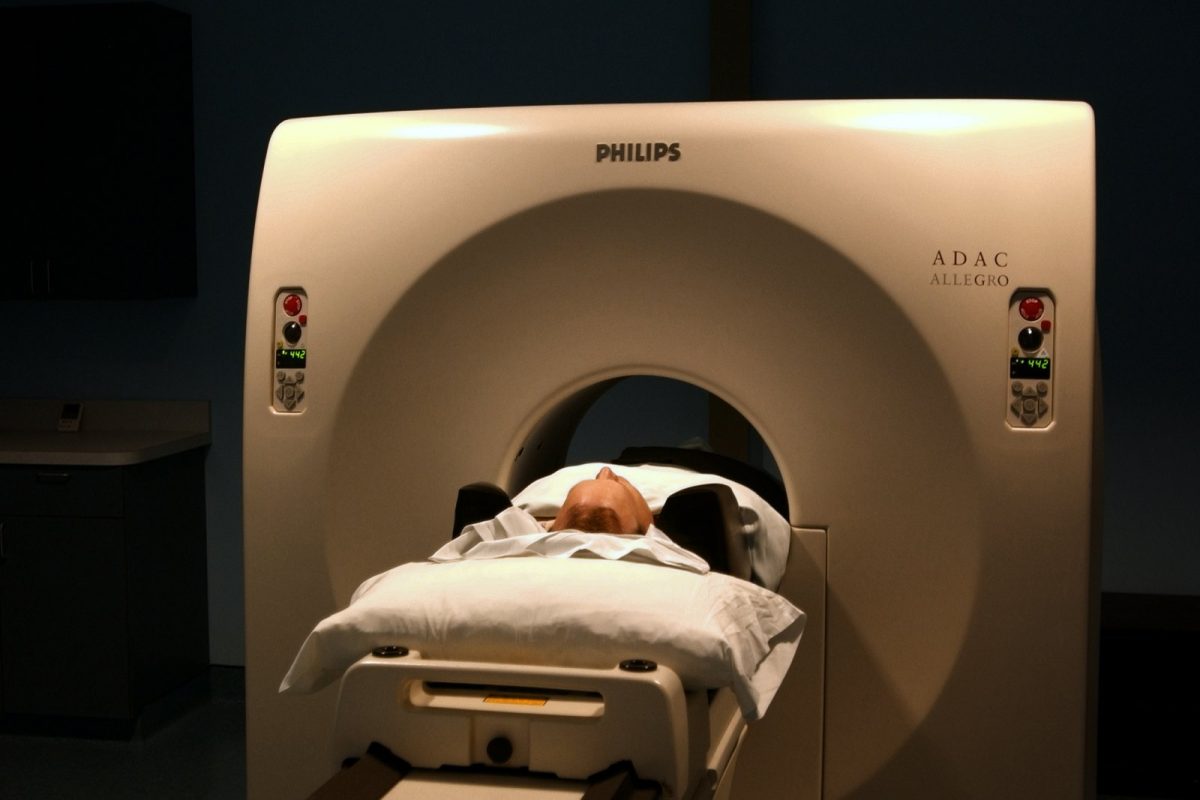
- However, those who experienced the session in a therapeutic-style room—rather than inside an MRI scanner—reported more intense experiences, longer-lasting psychological benefits, and greater increases in synaptic density.
“Set and setting”—the mindset one brings to an experience and the environment in which it occurs—has been a central tenet of psychedelic culture and harm reduction for decades. A study published in Translational Psychiatry has just provided something it previously lacked: a measurable footprint within the brain using neuroimaging.
How to count synapses in a living brain
The team from the Neurobiology Unit at Rigshospitalet (Copenhagen University Hospital), led by lead author Annette Johansen, recruited 15 healthy volunteers and administered a single dose of psilocybin at 0.3 mg per kilogram. To determine if this caused structural changes, they didn’t rely solely on questionnaires: they used positron emission tomography (PET) with the [11C]UCB-J tracer, a molecule that binds to the SV2A protein, which is present only in synaptic terminals. They scanned the frontal cortex and hippocampus before the session and again one week later, measuring subjective experiences immediately after and again three months later.
The result depends on where the experience took place
For the group as a whole, the increase in synaptic density did not reach statistical significance. The results changed when participants were separated based on where they spent the session: one group experienced it inside an MRI scanner, while the other was in a room designed as a therapeutic space. This second group reported more intense mystical-type experiences, longer-lasting psychological benefits at the three-month mark, and greater increases in synaptic density than those in the machine. Same molecule, same dose, different biological result based on context. The authors conclude that the neuroplastic effects of psilocybin are modulated by the environment, with direct implications for how psychedelic-assisted therapies are designed.
What this implies
The study’s limitations are clear, and the authors do not hide them: fifteen people, no placebo group, and healthy volunteers instead of patients with depression, in whom the response might differ. None of this allows us to claim that psilocybin “repairs” anyone’s brain. What it does provide is a change in status for an idea that was once treated as folklore: the context of the session is not just decoration around the drug; it is part of the phenomenon, and perhaps also part of the mechanism. For clinical research, this means the environment should be considered a variable to control and describe, just like the dose. And for those exploring these substances on their own, it confirms with hard data something that harm reduction has long maintained: taking care of the location, the company, and the timing is not a luxury—it is half the battle. This complements what we published this week regarding the brain footprint of a single dose of psilocybin one month later.
Source
- Johansen A, Plavén-Sigray P, Madsen MK, et al. Psilocybin’s effect on human brain synaptic plasticity. Translational Psychiatry, July 15, 2026.
Educational content written from a harm reduction perspective and with respect for individual freedom. It is not a substitute for advice from a healthcare professional and is not intended to encourage or condemn any drug use.


