

In brief
- An open study at Rigshospitalet recruited 15 healthy people and used PET with the SV2A marker, not direct counting of new synapses.
- The primary analysis with complete data in 12 showed no significant increase and the study stopped for futility. The alternative measure in 15 was also nonsignificant.
- An exploratory comparison of non-randomized settings generated hypotheses, not proof that a room causes more synapses or clinical benefit.
“Set and setting”—the mindset one brings to an experience and the environment in which it occurs—has been a central tenet of psychedelic culture and harm reduction for decades. A study published in Translational Psychiatry explored the question with an indirect marker and obtained a nonsignificant primary result.
How the presynaptic marker was measured
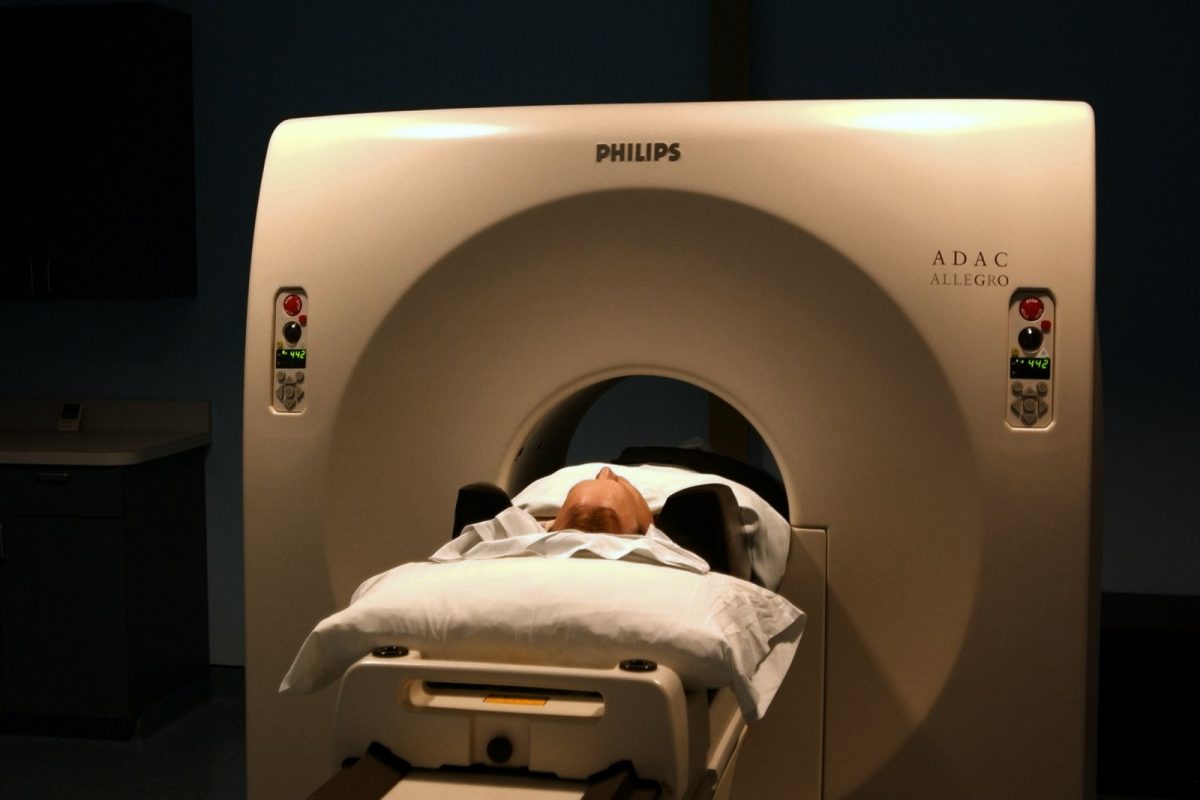
The team from the Neurobiology Unit at Rigshospitalet (Copenhagen University Hospital), led by lead author Annette Johansen, recruited 15 healthy volunteers and administered a single dose of psilocybin at 0.3 mg per kilogram. They used [11C]UCB-J PET to estimate binding to SV2A, a presynaptic marker. This does not count new connections or establish their function; questionnaires were also collected. They scanned the frontal cortex and hippocampus before the session and again one week later, measuring subjective experiences immediately after and again three months later.
Exploratory comparison of settings
The primary VT analysis included 12 participants with complete arterial data and was nonsignificant; the study stopped at its predefined futility criterion. Alternative BPND measurement in all 15 also showed no significant increase. The first five participants had dosing in MRI and the next ten in a room, without random setting assignment. Exploratory between-setting VT-change comparisons gave p=0.03 in frontal cortex and p=0.09 in hippocampus; they do not establish setting causality. Associations between mystical intensity and the marker were also nonsignificant.
What this implies
Fifteen recruited participants, no placebo, small sequential setting groups and exploratory analyses limit interpretation. The result does not establish brain repair or clinical efficacy, or quantify how much is attributable to dose, company or location. Preparation and support should be described and evaluated without turning this study into a guarantee for self-directed use. From the perspective of harm reduction it is important to distinguish prevention and context from causal proof or a safe dose, neither of which this study establishes. This complements what we published this week regarding the brain footprint of a single dose of psilocybin one month later.
Source
- Johansen A, Plavén-Sigray P, Madsen MK, et al. Psilocybin’s effect on human brain synaptic plasticity. Translational Psychiatry, July 15, 2026.
Educational content written from a harm reduction perspective and with respect for individual freedom. It is not a substitute for advice from a healthcare professional and is not intended to encourage or condemn any drug use.