

In brief
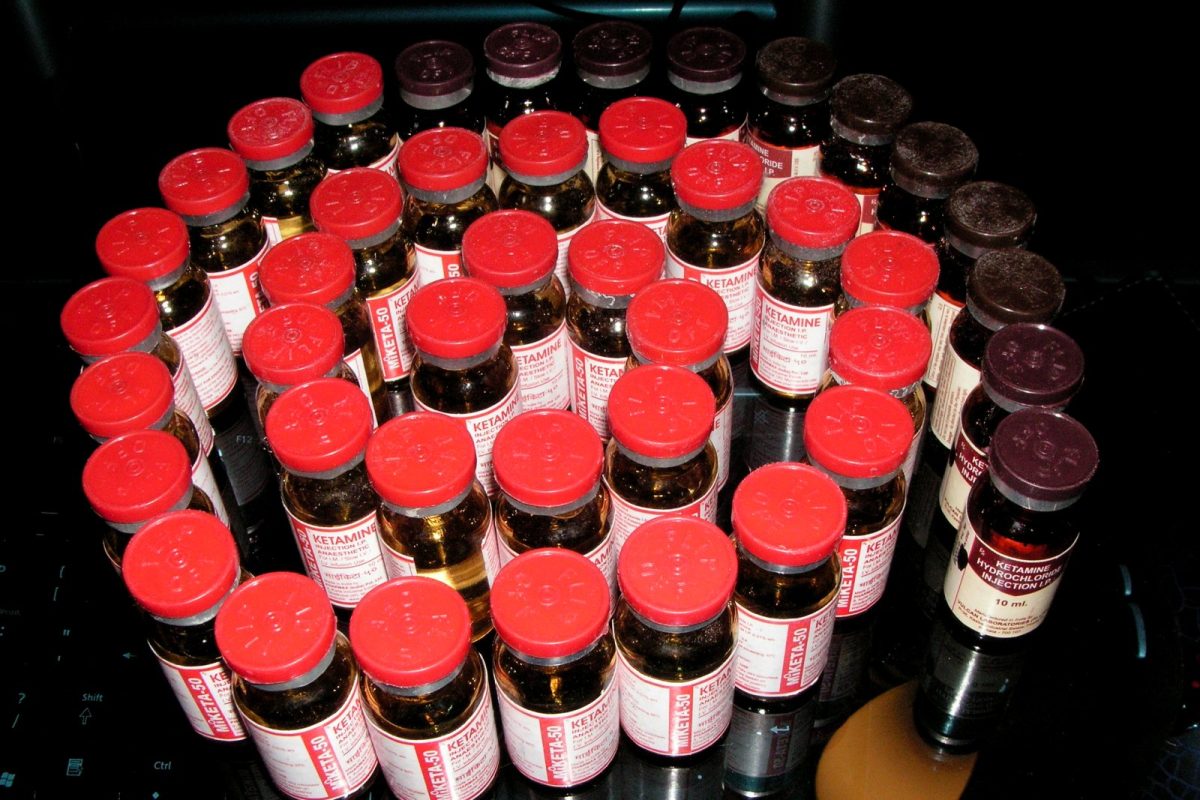
- On July 7, the FDA notified 15 online stores (14 in the U.S. and one in the Netherlands) for selling ketamine without approval or verified prescriptions.
- Products included injectable vials, troches, and sublingual tablets marketed outside of any legitimate medical consultation.
- The agency cites risks of contamination (sepsis), variable active ingredients, and unknown dosages; the only FDA-approved product remains the Spravato nasal spray for treatment-resistant depression.
The U.S. Food and Drug Administration (FDA) has issued warning letters to fifteen websites marketing ketamine without health authorization or prescription verification, according to documents published on the agency’s website dated June 23, 2026, and publicly announced on July 7. This is the largest operation of its kind targeting the online ketamine market to date.
Which websites are on the list and what they sold
Among the entities named are LyfeUnit, Legit Ketamine Suppliers, Ketacyn Pharmaceuticals, Ket Plug, Pure Arylcyclohexylamine Store, and Ketamine Troche Store, among others. According to the FDA, these stores offered a wide variety of formulations—ranging from injectable vials to troches and sublingual tablets—presented as treatments for depression, chronic pain, or anxiety, without any medical consultation to verify diagnoses, dosages, or drug interactions. The agency classifies these sales under the Federal Food, Drug, and Cosmetic Act, which requires prior approval to market any drug for such therapeutic indications.
Risks identified by the agency
The FDA’s text is explicit: “The growing consumer interest in ketamine products, coupled with the easy online availability of unapproved and misbranded products, puts consumers at risk of serious adverse events.” For injectable presentations, the cited risk is potential bacterial contamination and sepsis if not manufactured under controlled sterile conditions; for others, the lack of guarantees regarding the actual concentration of the active ingredient, which may vary from batch to batch or contain substances other than those advertised. The agency notes that, to date, the only FDA-approved ketamine product for psychiatric use remains esketamine nasal spray (Spravato), administered exclusively under direct clinical supervision.
What this implies
This action is not a new clinical finding regarding ketamine itself—its efficacy and limitations in treatment-resistant depression have been addressed in other recent studies—but rather a quality control and traceability measure for a market that has grown rapidly alongside the rise of ketamine clinics and psychiatric telemedicine in the United States. From a harm reduction perspective, this episode illustrates a known problem: when regulated and supervised access to a substance is limited or costly, a portion of the demand migrates to informal circuits where the actual composition of the product is a mystery, something our harm reduction guide identifies as the primary avoidable risk factor in the use of any substance. Warning letters are not final sanctions—they provide companies with a deadline to respond and correct the situation—but they clearly delineate what the FDA considers verified medical use versus unauthorized use. Those interested in learning about the documented therapeutic uses of this substance can consult our ketamine pillar.
Source
- FDA. Warning Letter: LyfeUnit / www.lyfeunit.com. U.S. Food and Drug Administration, June 23, 2026.
Educational content written from a harm reduction perspective and with respect for individual freedom. It is not a substitute for advice from a healthcare professional and is not intended to encourage or condemn any drug use.


