

By Fernando Caudevilla (DoctorX)
The history of modern pharmacology is marked by a recurring pattern that defies our intuition: the same chemical compound can be a panacea for alleviating human suffering and, simultaneously, become a lethal agent if the conditions of its use are altered. This phenomenon is not exclusive to any specific substance; however, today, no drug encapsulates this duality better than fentanyl.
It is an essential medication for oncology and post-surgical patients, yet a lethal drug when used to adulterate other illicit substances. The line separating the cure from the poison is as thin as a sheet of paper: the dose. In this context, fentanyl is not just another psychoactive substance; it is a synthetic opioid whose potency far exceeds any comparison to its natural predecessors.
In brief
- Extreme potency: Fentanyl is approximately 100 times more potent than morphine, which implies an extremely narrow therapeutic window.
- Overdose risk: An incorrect dose or combination with other central nervous system depressants can cause respiratory arrest in a matter of minutes.
- Diverse presentations: It is found in transdermal patches, sublingual tablets, and injectable solutions, each with distinct release profiles.
- Dangerous adulteration: Its inadvertent presence in other drugs (such as heroin) is the leading cause of unintentional overdose deaths.
- Harm reduction: Knowledge regarding interactions, safe storage, and signs of toxicity is vital for survival.
A drug of surgical precision
From a rigorous pharmacological perspective, fentanyl acts as a potent and selective agonist of the mu (μ) receptors in the central nervous system. Its synthetic design gives it an extraordinary affinity for these receptors, effectively blocking pain transmission and inducing deep sedation. However, this efficacy comes at a cost: its potency is such that small variations in the amount of substance introduced can determine the outcome between life and death.
Clinical presentations
The versatility of fentanyl is manifested in its availability in multiple pharmaceutical forms, each designed for a specific purpose:
- Transdermal patches (Transdermal Delivery System): Designed to release the drug slowly through the skin over 72 hours, providing continuous analgesia. They are ideal for severe chronic pain.
- Sublingual tablets: Absorbed under the tongue, allowing for rapid action without passing through the digestive system, useful in acute pain crises or post-chemotherapy nausea.
- Injectable solutions: Used exclusively in hospital settings for the immediate management of intense pain.
Effects and toxicological profile
The intended effects are clear: potent analgesia, sedation, and euphoria. However, the human body responds to these substances with a series of secondary reactions that can compromise the user’s safety:
- Respiratory system: Respiratory depression is the primary mechanism of toxicity. Fentanyl slows the rate and depth of breathing, potentially leading to hypoxia.
- Digestive system: Severe constipation, nausea, vomiting, and dry mouth are common effects due to the relaxation of the smooth muscles of the gastrointestinal tract.
- Central nervous system: Dizziness, confusion, excessive drowsiness, and, in severe cases, loss of consciousness. Hallucinations or vertigo may also occur.
Contraindications and interactions
Not every patient is suitable to receive this treatment. Conditions such as uncontrolled asthma, pulmonary hypertension, hepatic or renal insufficiency, and a history of head injuries require extreme caution or absolute contraindication.
The danger multiplies exponentially when combining fentanyl with other substances. Central nervous system depressants—such as alcohol, benzodiazepines (tranquilizers), tricyclic antidepressants, or neuroleptics—potentiate respiratory depression. This toxic synergy is one of the most frequent causes of fatalities.
In brief
- Tolerance and dependence: Continued use generates rapid tolerance (the need for higher doses for the same effect) and strong physical dependence, with painful withdrawal syndromes.
- Safe storage: It must always be kept out of the reach of children and unauthorized persons. Never dispose of them in the toilet; use specific containers or pharmaceutical collection centers.
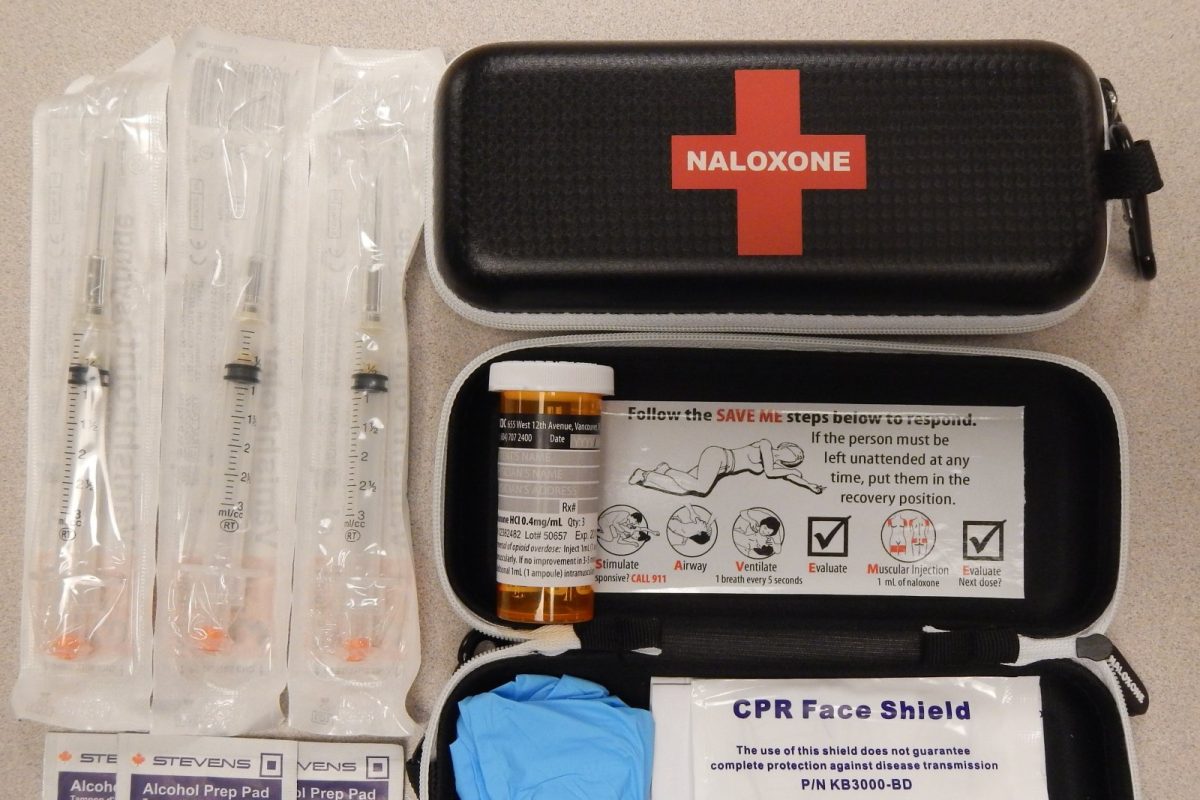
- Specific antidote: Naloxone is a drug capable of reversing the effects of an opioid overdose, but its administration must be immediate and accompanied by professional respiratory support.
Harm reduction: A critical approach
Although the primary goal is abstinence and appropriate medical treatment, in a context where access to these drugs may be limited or where there is a risk of accidental exposure (for example, through patches donated by patients), it is imperative to address safety measures.
Fundamental principles
- Never mix: Strictly avoid concomitant consumption with alcohol or any other depressant substance. The combination is a recipe for overdose.
- Prudent dosing: Always start with minimal doses and wait at least two hours before considering taking more, allowing the body to respond to the first administration.
- Route of administration: Strictly follow the package insert instructions. Altering the way a patch is applied (for example, cutting it to increase absorption) or using it orally/intranasally without medical supervision is extremely dangerous.
- Situational awareness: Be informed about the user’s health status and whether they have consumed other substances recently. If there is any doubt, abstain.
Waste management
Responsible management is crucial. Unused patches or leftover products must be destroyed properly to prevent them from falling into the wrong hands. They should never be flushed down the toilet or thrown in the household trash without specific containers, as there is a risk of accidental ingestion by children or pets.
Reflections from experience
The experiences of seasoned users and professionals in the field of harm reduction offer a valuable perspective on the nature of this substance. A testimony collected in specialized forums describes fentanyl not as a benchmark for euphoria, but as an analgesic so potent that it “eclipses its own euphoric effect.”
“Fentanyl is a brutal analgesic. It is designed to fit the MU receptors and it does it very well. It is so potent, I think, that it eclipses its own euphoric effect… Even when I didn’t feel any effect from the fentanyl, I was totally oblivious to any sensation of pain.”
These types of testimonies underscore the clinical reality: the drug fulfills its function with surgical efficacy, but lacks the recreational qualities that some users seek in other opiates. The search for euphoria through high doses is a deadly trap.