

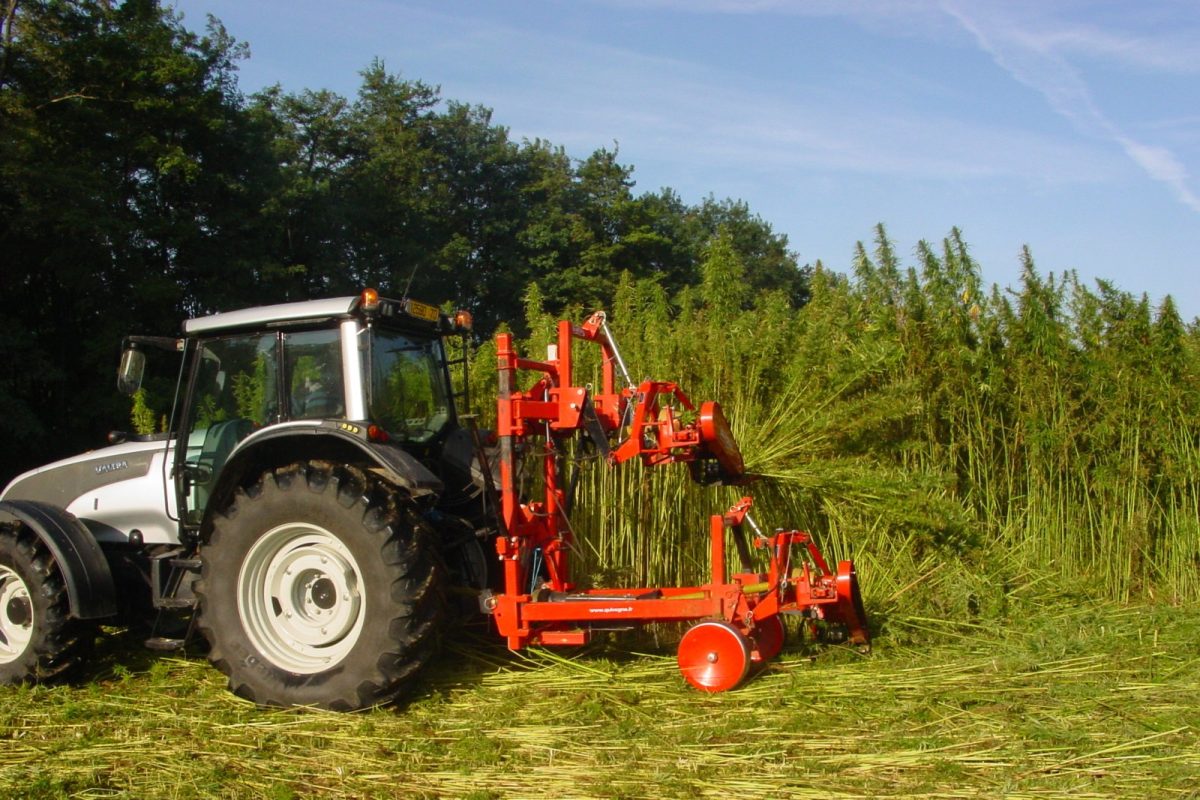
A Plant with an Energy History
Long before hemp became almost exclusively associated with recreational or medicinal use, its seeds played a very specific domestic role: lighting. Hemp seed contains around 30% oil, and this oil was historically burned in lamps. In the 19th century, before the industrial era of petroleum, lighting relied primarily on vegetable oils and whale oil; hemp seed oil was simply one more option among them.
Many of the tropes still circulating in cannabis culture stem from that era: tales that fairy-tale lamps burned hemp oil, or that various historical figures swore by it. These stories are best taken for what they are—anecdotes and folklore—rather than proof of technical superiority. The verifiable reality is more modest and far more interesting: hemp is an oilseed and a remarkably fibrous plant, two traits that theoretically make it suitable for energy applications.
What Hemp Yields as a Fuel
The classic case for hemp as an energy source rests on two distinct components of the plant.
The first is hemp seed oil. This is a vegetable oil that burns similarly to heating fuel and, like other plant oils, can be converted into biodiesel. The figures often cited in popular literature—yields on the order of hundreds of liters per hectare—come from cannabis advocacy and should be viewed with skepticism; they depend heavily on the cultivar, climate, and intended agricultural goal. A single hectare cannot be simultaneously optimized for seed, fiber, and woody biomass.
The second component is the woody core of the stalk, which is rich in cellulose. Here, hemp ceases to compete as an oilseed and instead enters the arena of lignocellulosic biomass alongside corn, sugarcane, and agricultural or forestry residues. This biomass can be burned directly to produce heat and electricity, fermented to produce alcohol, or subjected to thermochemical breakdown.
Pyrolysis: From Stalk to Charcoal, Fuel Oil, and Methanol
The most frequently cited technical pathway is pyrolysis: heating organic material to high temperatures in an oxygen-deprived environment. Instead of combusting, the material breaks down into a mixture of solid, liquid, and gaseous products: biochar (vegetable charcoal), bio-oils (fuel oil), combustible gases, and industrial chemicals like methanol, acetone, and creosote.
It is important to recognize that this is not cannabis magic; it is essentially the same family of thermochemical processes that industry applies to fossil fuels, adapted to plant matter. Methanol, for instance, has been used as a fuel for decades—in motorsports and, during various eras, blended with gasoline—and it can be synthesized from biomass. In this context, hemp is not a unique miracle crop, but rather one more candidate among many energy crops.
The Environmental Argument: The Short Carbon Cycle
The true advantage of any biomass over fossil fuels lies in the carbon cycle. As a plant grows, it captures atmospheric CO₂ through photosynthesis. When that biomass is burned or converted into fuel, it releases that same carbon back into the atmosphere. On paper, the net balance can approach zero, whereas coal, petroleum, and natural gas unearth carbon that was sequestered millions of years ago.
Added to this is a crucial factor: mineral coal contains sulfur, the primary cause of acid rain. Biochar or fuel oil derived from biomass contains virtually no sulfur, eliminating those emissions. These are genuine, well-documented benefits in broad terms.
However, being “carbon-neutral” on paper does not equate to being clean in practice. The actual balance depends on the energy required to cultivate, transport, and process the crop; land-use changes; water and fertilizer consumption; and what food or ecological crops are displaced to plant biomass instead. Contemporary bioenergy science is far more cautious than the unrestrained enthusiasm of the 1990s.
A Critical Read: Where Facts Turn into Myth
Much of the narrative claiming hemp could “replace all petroleum” originated in pro-legalization activist literature, particularly popular books from the late 20th century. While these texts are valuable records of the cannabis movement’s history, they are unreliable as engineering sources. Three claims deserve scrutiny:
1. Henry Ford’s “90%.” The claim that virtually all fossil fuels “should have been replaced long ago” by biomass is a rhetorical flourish, not an engineering conclusion. While Ford did experiment with plant-based materials and ethanol, that round figure serves as a political slogan, not verifiable data.
2. The oil baron conspiracy. The theory that Rockefeller, the Rothschilds, and others deliberately depressed crude oil prices to crush methanol and hemp makes for compelling drama, but it collapses under serious economic analysis. Twentieth-century oil prices were driven by world wars, oil field discoveries, cartels like OPEC, and geopolitical crises—not a singular plot against a plant.
3. The “replaces everything” claim. No single feedstock can replace fossil fuels on its own. The actual energy transition relies on a multifaceted mix of electrification, renewables, energy efficiency, and, in targeted niches, biofuels. Presenting hemp as “the only renewable resource capable of replacing everything” is pure marketing, not objective analysis.
Just because the rhetoric has been overstated does not mean the underlying concept is worthless: hemp remains a compelling crop for fiber, cellulose, and, under specific conditions, biomass. But its place is as one piece of the puzzle, not a miracle cure suppressed by shadow interests.
What Genuinely Holds Up
Stripped of mythology, the realistic assessment is still promising. Hemp has a short growing cycle, adapts well to a variety of climates, and integrates easily into crop rotation schemes. Its lignocellulosic biomass has legitimate applications in green chemistry, advanced materials, and energy production, and pyrolysis is a mature technology. Cultivated locally, it could play a sensible role in rural economies and decentralized supply chains.
The honest question is not “Will hemp save the planet?” but rather “At what scale, with what actual environmental footprint, and competing against what alternative land uses does it make sense to grow hemp for energy?” That is an open technical and policy debate—and far more constructive than the myth of the lost green fuel.


