

Ayahuasca is not merely a hallucinogenic beverage; it is a complex system that integrates botany, pharmacology, and indigenous worldviews. This Amazonian decoction has traversed centuries of oral tradition to reach the attention of the Western world, generating mixed expectations between spiritual fervor and strict scientific demand. As editor-in-chief of Psiconáutica.org, our goal is to dissect this phenomenon with rigor: separating the myths of tourism marketing from ethnographic and pharmacological reality.
In brief
- Dual composition: The synergy between Banisteriopsis caapi (an MAO inhibitor) and DMT-containing plants is key to its oral activity.
- Limited evidence: Studies on addiction frequently lack control groups, which prevents definitive conclusions.
- Major depression: Preliminary results in Brazil suggest rapid effects, but long-term stability requires further research.
- Real risks: Serious pharmacological interactions and psychotic reactions are risks that should not be underestimated.
- Cultural context: Traditional ayahuasca includes ritual and community dimensions absent in commercial retreats.
Botanical origin and basic pharmacology
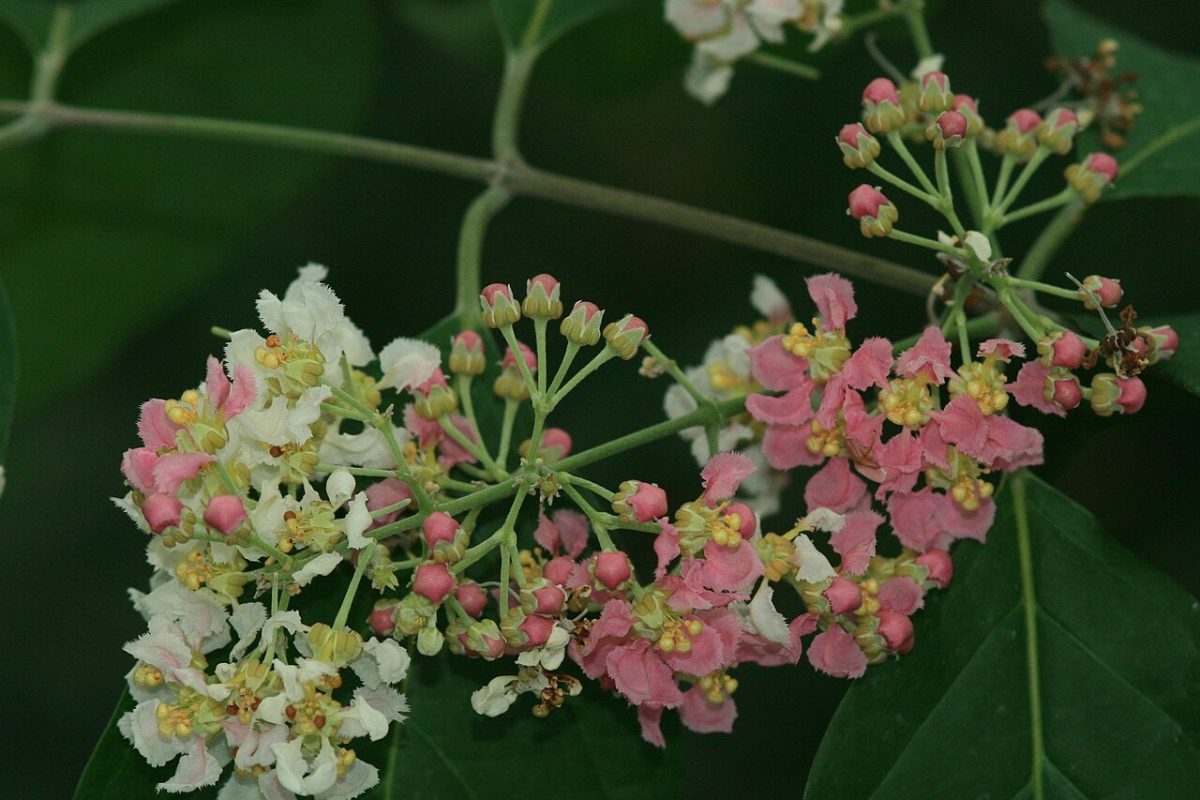
From an ethnobotanical perspective, ayahuasca is fundamentally a decoction of Banisteriopsis caapi, a vine native to the Amazon. Historically, various indigenous cultures used this plant on its own in specific rituals, such as the natemamo of the Shuar people. However, the formulation that has captured global attention is the one that combines B. caapi with plants rich in N,N-dimethyltryptamine (DMT), with Psychotria viridis and Diplopterys cabrerana being the most documented.
The pharmacology behind this use is fascinating. DMT, on its own, lacks oral activity due to the action of monoamine oxidase (MAO) enzymes in the gastrointestinal tract, which degrade it before it reaches the brain. B. caapi contains indole alkaloids known as harmalas (harmine, harmaline, and tetrahydroharmine), which act as reversible inhibitors of MAO. This chemical combination allows DMT to survive digestion and reach therapeutic concentrations in the central nervous system.
It is crucial to distinguish between traditional ayahuasca—a living preparation that includes not only the active principles but also the ecosystem, symbolism, and tradition of use—and what is known as pharmahuasca. The latter is a synthetic or extractive composition that uses only isolated alkaloids (harmalas and DMT). For Amazonian communities, the two are not equivalent; the former is an integral sacred entity, while the latter lacks its cultural context.
The “cure-all” myth in addiction
In the West, the most publicized use of this decoction centers on the treatment of substance dependence. Internet searches yield thousands of results promising magical solutions, often ignoring the complexity of the addictive phenomenon. It is imperative to be cautious: abandoning addictive behavior without professional intervention occurs in a high percentage of cases (around 75%), which suggests that the passage of time and social support are just as decisive as any substance.
Recognized centers, such as Takiwasi in Peru, have operated for decades under the premise of integrating traditional medicine with conventional therapies. However, when reviewing rigorous scientific literature, we find a notable deficiency: few observational studies based on questionnaires and qualitative interviews exist. The absence of comparative control groups makes it naive to attribute therapeutic success exclusively to the ingestion of the liquor without considering other sociopolitical and psychological variables.
Since 2011, Peruvian regulation has classified ayahuasca as “natural medicine,” which has fueled massive health tourism. This phenomenon has led to a dangerous idealization of the substance, presenting it as a panacea for complex problems that require multidisciplinary approaches.
Major depression: Hopes and cautions
The landscape regarding hallucinogens in mental health has changed. After years of stigmatization, pilot studies with positive results are now being published, which quickly turn into sensationalist headlines. In the case of major depression, a disorder characterized by profound hopelessness, expectations are high.
Most relevant clinical trials on this topic have taken place in Brazil. Preliminary results show significant improvements after single doses: studies with small samples (6 to 17 patients) and one placebo-controlled study with 37 subjects indicated antidepressant effects that were maintained for several weeks, outperforming the placebo in late measurements.
However, the interpretation of these data requires nuance. Early studies lacked adequate control groups. In the most robust double-blind trial to date, although there was improvement, response rates for the active group and the placebo were similar in the initial days, differing only by the seventh day. This opens the door to extra-pharmacological variables, such as the ritual environment or patient expectation (the placebo effect), which could be influencing the results.
Furthermore, it is vital to highlight that there are no studies on the stability of long-term improvement. Is the treatment response maintained after months? Is a repeated dose required to maintain the effect? These questions remain without satisfactory answers.
Other disorders and lines of research
Recent literature explores applications in grief, eating disorders, and possibly post-traumatic stress. Studies based on interviews suggest subjective benefits, but objective evidence remains scarce. The therapeutic promise is undoubtedly attractive, especially for conditions resistant to conventional treatments.
Harm reduction and critical reading
Faced with media enthusiasm, we must apply a strict critical filter. The use of ayahuasca carries inherent risks that should not be ignored:
- Pharmacological interactions: Due to the MAO-inhibiting action of harmalas, simultaneous consumption with certain medications (such as SSRI antidepressants or triptans) can cause a potentially fatal hypertensive crisis. Prior medical consultation is mandatory.
- Psychiatric risks: People with a history of untreated psychosis, bipolar disorder, or epilepsy may experience an exacerbation of symptoms under the influence of DMT.
- Context of use: The lack of integration into a safe ritual and community framework increases the risk of traumatic experiences (“bad trips”) that can lead to lasting psychological harm.
The goal is not to demonize the substance, but to promote its responsible use within ethical and scientific frameworks. Research must advance with rigorous methodologies before generalizing conclusions about clinical efficacy.
Editorial conclusion
Ayahuasca represents a fascinating bridge between ancestral Amazonian wisdom and modern pharmacology. Its potential to facilitate introspective and, perhaps in some cases, therapeutic processes is promising. However, Psiconáutica.org maintains a stance of caution: there are no magic cures or quick fixes for complex problems like depression or addiction.
We hope that future research will consolidate preliminary findings and establish safe protocols. In the meantime, the focus must remain on critical awareness, the evaluation of available evidence, and deep respect for the cultural traditions of origin. Mental health is a long path that requires validated tools, social support, and, above all, intellectual honesty.
At Psiconáutica.org, we continue to explore these frontiers with scientific rigor and human empathy, inviting our readers to navigate this territory with open eyes and a critical mind.


