

Psiconáutica Editorial Team · November 14, 2026
In brief
- On November 12, 2026, the HHS announced investments of up to $4.9 million through ARPA-H to advance the development of ibogaine as a potential PTSD treatment.
- The funds cover preparation (Investigational New Drug applications, clinical-grade ibogaine, manufacturing), not patient trials or treatment.
- The announcement acknowledges serious risks, such as potentially fatal arrhythmias, and ibogaine remains a Schedule I controlled substance in the U.S., according to the DEA.
Health Secretary Robert F. Kennedy Jr. presented the announcement the day after Veterans Day, alongside officials from the Department of Veterans Affairs (VA). This is an administrative and infrastructure step: it serves to prepare the groundwork for future studies, not to begin treating anyone.
What exactly is being funded
According to the HHS, the initial ARPA-H commitment is up to $4.9 million over five years, with awards varying by team and dependent on meeting “aggressive and accelerated” milestones. Future grants focused on substance use disorders, including opioid use disorder, were also announced.
The selected teams will dedicate these funds to three tasks: preparing Investigational New Drug (IND) applications to allow for clinical trials in the U.S., securing clinical-grade ibogaine, and developing sustainable domestic manufacturing processes. Teams led by Mark Cuban Cost Plus Drug Company, PBC, will work on a single-molecule ibogaine hydrochloride product. Separately, Beond, Inc. will provide “high-fidelity clinical data” regarding safety, dosage, efficacy, and durability. The announcement does not describe where this data comes from or how it will be collected. All recipients commit to publishing their data openly, and the HHS promises to make results public regardless of whether they show benefit, show no effect, or reveal harm.
Risks and regulatory timeline
The text states that ibogaine carries serious risks, including potentially fatal heart rhythm problems, and that future studies must address participant screening, cardiac monitoring, and independent safety oversight. In parallel, the FDA opened a request for information on October 5 regarding the design of early ibogaine trials, with comments accepted until November 20, 2026; among other points, it suggests an initial dose not exceeding 10 mg/kg.
The HHS further notes that if development succeeds and the FDA approves the medication, the goal is to offer it at the cost of production plus a reasonable margin. This is a stated intention, not a commitment with specific figures. In the same announcement, the National Institute of Mental Health (NIMH) published a $20 million call for a research network on rapid-acting drugs such as ketamine, esketamine, or psilocybin, with awards expected by the summer of 2027.
Limitations
This is an institutional announcement, not a peer-reviewed publication. It contains no clinical results, and a high-ranking official’s claim that success stories are “too promising to ignore” is an opinion, not evidence of efficacy. Published human data on ibogaine for PTSD is scarce and comes primarily from small observational studies. We have not seen the contracts or the Beond data. None of this changes the legal status of ibogaine in Spain or the EU.
What this implies
The announcement indicates a clear policy priority in the U.S., but the path to a patient trial requires the acceptance of IND applications, the resolution of cardiac safety concerns, and the production of pharmaceutical-grade product. Anyone reading headlines about “funding for ibogaine” should know that, for now, the funding is for paperwork, manufacturing, and preparation. More context is available in our guide on iboga and ibogaine and how these treatments are evaluated in psychedelic science and therapy.
Sources
- HHS, November 12, 2026: “HHS Announces ARPA-H Awards to Advance Ibogaine Development for PTSD & New $20 Million Funding Opportunity to Advance Rapid-acting Psychotropics”.
- FDA, October 5, 2026: “FDA Seeks Public Input to Support Ibogaine Research”.
- DEA, Diversion Control Division: “Controlled Substances – Alphabetical Order” (ibogaine is listed in Schedule I, code 7260).
Image
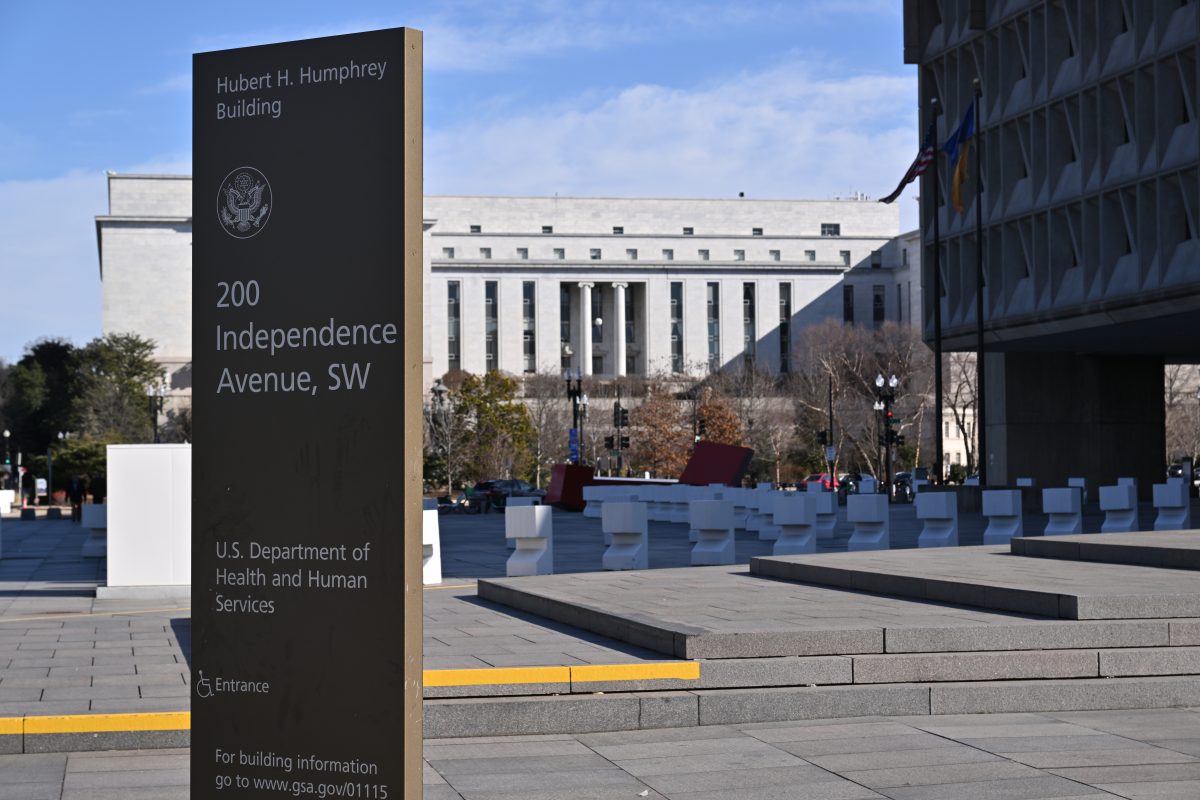
U.S. Department of Health and Human Services sign in front of the Hubert H. Humphrey Building in Washington, D.C. Photo: G. Edward Johnson, 2025, via Wikimedia Commons, license CC BY 4.0.
Educational content written from a harm reduction perspective and with respect for individual freedom. It is not a substitute for advice from a healthcare professional and is not intended to encourage or condemn any drug use.