

Psiconáutica Editorial Team · November 25, 2026
In brief
- An analysis of CDC surveillance data and data from two forensic laboratories found nitazene analogs in 1,443 unintentional or undetermined-intent overdose deaths. They occurred across 47 US jurisdictions from 2019 to 2024.
- Co-detection with illegally made fentanyls, stimulants and illegal benzodiazepines was common, so detecting a nitazene does not by itself show which substance caused a death.
- The authors conclude that these drugs are probably under-detected. As challenges for detection, they cite the drugs’ high potency, structural diversity and the limited use of routine toxicology testing.
Nitazenes are a class of synthetic opioids that have entered the illegal drug supply. A study published online on 20 November 2026 in the International Journal of Drug Policy quantifies their presence in US overdose deaths. To do so, it combines public health surveillance data with data from two forensic laboratories.
How it was done
The authors are researchers from CDC’s Division of Overdose Prevention, the Center for Forensic Science Research and Education (CFSRE) and NMS Labs. They combined two sources. The first is SUDORS, CDC’s system that collects data on unintentional and undetermined-intent overdose deaths in participating jurisdictions; they used data from 2019 to 2024. The second is forensic toxicology data from CFSRE and NMS Labs, running through the third quarter of 2025. Using SUDORS, they analysed which other drugs were present, the demographic profile and the circumstances of each death.
What they found
Nitazene analogs were detected in 1,443 overdose deaths across 47 jurisdictions from 2019 to 2024. The most common were isotonitazene, metonitazene, protonitazene, N-pyrrolidino etonitazene and N-pyrrolidino protonitazene. According to the abstract, detection patterns varied over time by analog, although it does not say how. Laboratory data often identified these substances earlier than the surveillance system. For that reason, the authors recommend combining forensic and public health data.
Co-detection was common: illegally made fentanyls, stimulants and illegal benzodiazepines often appeared alongside nitazenes. In addition, signs of injection drug use, prior overdose and prior treatment for a substance use disorder appeared more often in these deaths than in overdose deaths in which other opioids were detected. The abstract gives no percentages for these comparisons.
Limitations
Detecting a nitazene in post-mortem toxicology does not prove it caused the death, especially when several substances are present. The figure of 1,443 refers to jurisdictions participating in SUDORS and, according to the authors themselves, is probably an undercount. We could only read the abstract, through the PubMed record. It includes no percentages, confidence intervals or total number of deaths for comparison, and the publisher’s page did not let us access the full text.
What it means
For people who use opioids or pills of unknown origin, the message is that the composition of the supply changes and cannot be judged by eye. The authors call for expanded toxicology testing capacity, combined surveillance sources and targeted prevention strategies. The abstract does not specify which strategies, and it does not evaluate naloxone or other interventions. A negative test-strip result does not rule out every synthetic opioid, as we explained when covering orphines. More guidance is in our harm reduction guide.
Sources
- Zlotorzynska M, Krotulski AJ, Quader ZS, Gladden RM, Papsun DM, Logan BK, O’Donnell J. Nitazene analogs in unintentional and undetermined intent drug overdose deaths – United States, 2019-2025. International Journal of Drug Policy 2026;158:105588. DOI 10.1016/j.drugpo.2026.105588 · PubMed 43063795. Abstract only.
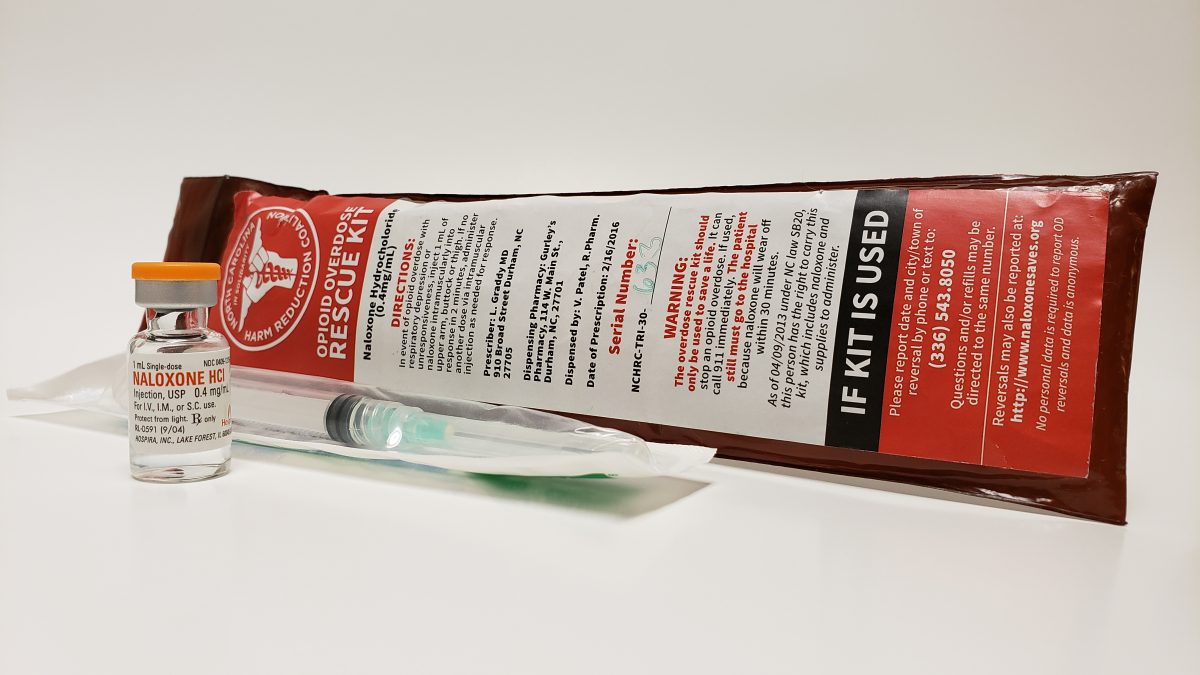
Illustrative image: an emergency opioid overdose kit with a single dose of naloxone, a needle and a syringe. It is not related to the cases in the study. Photo by Intropin (Mark Oniffrey), Wikimedia Commons, licensed under CC BY-SA 4.0.
Educational content written from a harm reduction perspective and with respect for individual freedom. It does not replace advice from a health professional and is not intended to encourage or condemn any drug use.