

In brief
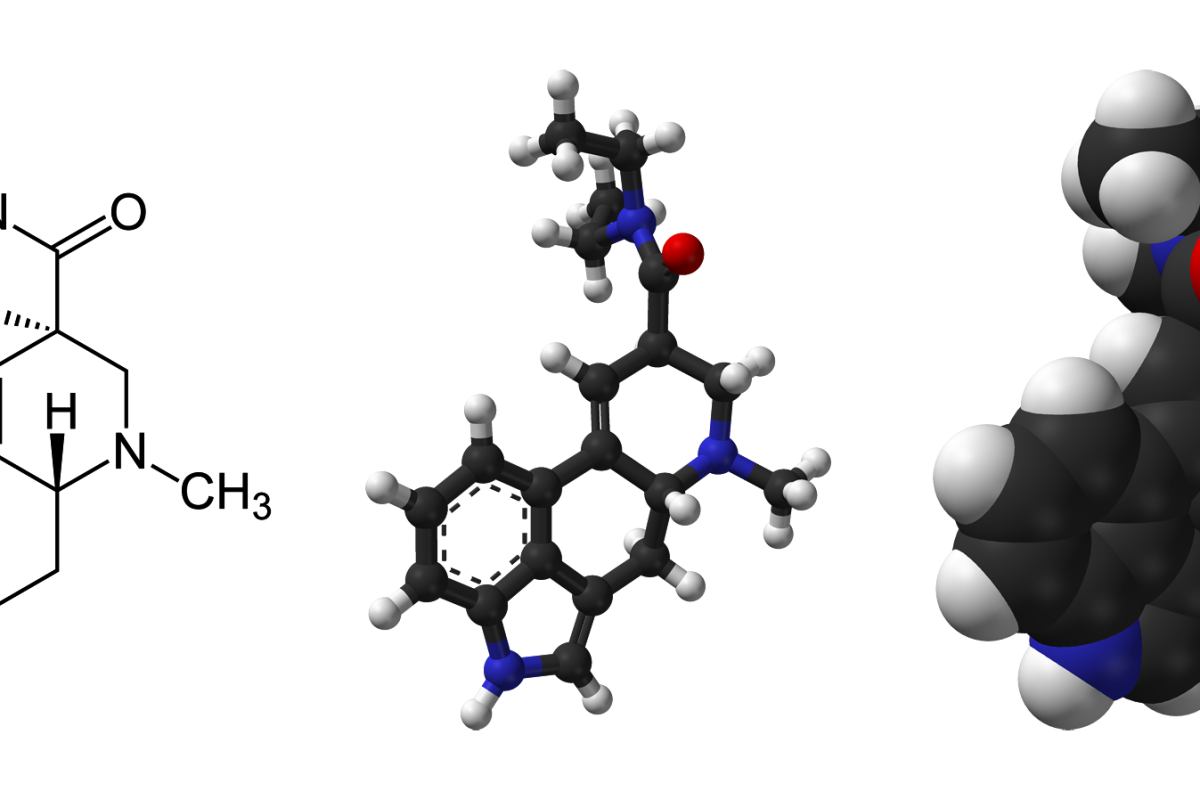
- Definium Therapeutics (formerly MindMed) announced positive results on June 22, 2026, from the Phase 3 Emerge trial for DT120, a single-dose, orally disintegrating pharmaceutical LSD (lysergide) tablet.
- In people with major depression, a single 100-microgram dose reduced symptoms by 8.1 points more than the placebo on the MADRS scale at six weeks (p<0.0001).
- Improvement appeared as early as the second day and was maintained through week 12, according to a sponsor summary without a suicidality signal; this is not zero risk.
Definium Therapeutics, the company born from the rebranding of MindMed, has presented the initial Phase 3 results for DT120 (formerly known as MM120), a pharmaceutical formulation of LSD administered as a single oral dose. In the Emerge study, conducted with people suffering from major depression, the substance clearly outperformed the placebo in reducing depressive symptoms.
A single dose, rapid and lasting effect
Emerge is a randomized, double-blind, placebo-controlled trial that enrolled 149 participants: 75 received a single 100-microgram dose of DT120, and 74 took a placebo. Researchers monitored their progress over twelve weeks of the double-blind phase, with a subsequent forty-week open-label extension to observe the long-term duration of the effect. The trial tested one initial dose, not whether one dose suffices throughout the illness; the extension allows retreatment based on symptoms.
Trial data
The primary endpoint—the change in the MADRS scale (the standard clinical tool for measuring depression severity) at six weeks—showed an LS-adjusted mean reduction of 13.3 points in the DT120 group versus 5.2 points in the placebo group, a statistically very robust difference of 8.1 points. The effect was already perceptible on the Clinical Global Impression scale two days after administration, and at six weeks, 35% of participants in the DT120 group achieved a clinical response (compared to 7% with placebo), and 24% entered remission (compared to 3%). At twelve weeks, the difference compared to the placebo remained at 7.3 points on the MADRS, suggesting that the benefit does not fade quickly after a single dose. Regarding safety, the company reports that most adverse effects were mild or moderate and transient, with no reported serious events or suicidality signal in the summary, without demonstrating absence of thoughts, and with study dropout rates similar in both groups.
What this implies
These are topline results—a summary provided by the company before peer-reviewed publication with full methodological details. It is advisable to wait for that publication to assess nuances such as the actual blinding of the placebo (LSD produces subjective effects that are difficult to hide) or the profile of the participants. Even so, this is the first phase 3 study in this program to report results, according to Definium, and Definium has already announced that it is moving toward an FDA approval application, with a second Phase 3 trial (Ascend) underway. For those who defend cognitive liberty, the relevant data is not only the efficacy but the possibility that a historically persecuted molecule could enter the regulated medical circuit under a logic of single-dose administration and clinical support, expanding—not restricting—the options available to those who decide to explore these paths.
Source
- Definium Therapeutics. Definium Therapeutics Announces Positive Topline Results from Phase 3 Emerge Study of DT120 Orally Disintegrating Tablet (ODT) in Major Depressive Disorder. Definium Therapeutics (IR), June 22, 2026.
Educational content written from a harm reduction perspective and with respect for individual freedom. It is not a substitute for advice from a healthcare professional and is not intended to encourage or condemn any drug use.

