

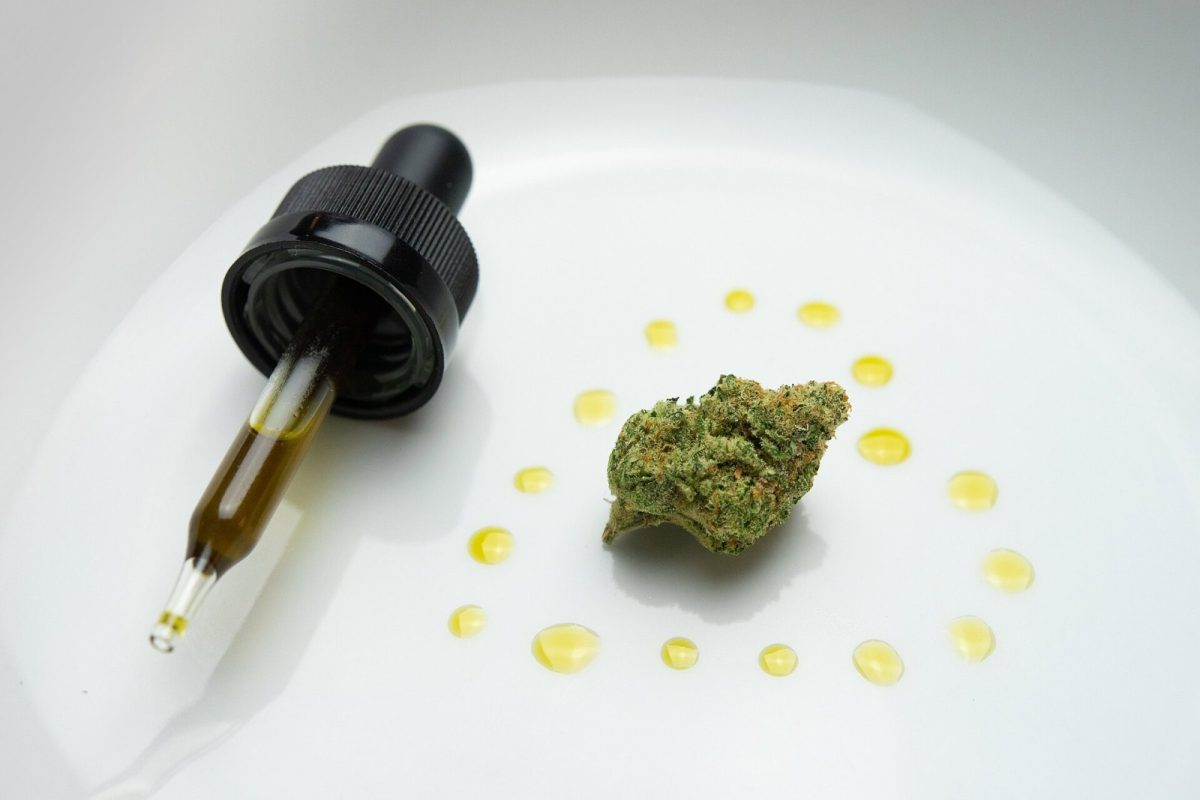
In this second installment, we explore the role of cannabidiol in the context of addiction. We analyze data regarding its efficacy in tobacco and cannabis dependency, contrasting promising findings with current methodological limitations. An approach based on educational content written from a harm reduction perspective and with respect for individual freedom. It is not a substitute for advice from a healthcare professional and is not intended to encourage or condemn any drug use.
In brief
- Cannabidiol (CBD) acts on multiple brain receptors, offering a pharmacological profile distinct from that of THC.
- Preliminary evidence suggests efficacy in reducing tobacco consumption and attenuating withdrawal symptoms.
- Animal studies have significant limitations when extrapolating results to human complexity.
- Any therapeutic use must be considered experimental until validated by rigorous clinical trials.
Introduction: Beyond THC
For decades, the focus of scientific research was centered almost exclusively on tetrahydrocannabinol (THC), the psychoactive compound responsible for the immediate effects of cannabis. This bias led to the underestimation of the therapeutic potential of cannabidiol (CBD). However, since the receptors of the endocannabinoid system were identified and characterized in the 1990s, the perspective has changed radically. CBD is not merely an inert compound; it possesses a complex pharmacology that interacts with various neural systems. Its clinical relevance is being reevaluated today, especially in the field of addictive disorders and certain psychiatric conditions. This article analyzes the available evidence on its utility in these areas, rigorously distinguishing between biological hypotheses, preliminary experimental data, and consolidated clinical applications.
Neurobiological mechanisms of addiction
To understand the role of CBD, it is necessary to understand the neurobiological basis of dependency. The prevailing theory places the origin of addictions in alterations of the mesocorticolimbic dopamine circuit. This brain system regulates behaviors essential for survival and reproduction, endowing them with a pleasurable character that reinforces their repetition. The problem arises when exogenous substances or behavioral patterns interfere with this natural circuit. In some individuals, this interference causes a loss of control over consumption, leading to addictive disorders characterized by compulsivity and persistence despite negative consequences. The discovery of the endocannabinoid system added crucial nuances to this model. At the molecular level, CBD acts as a weak inverse agonist of CB1 receptors and modulates other systems involved in reward and addiction, such as:
- Transient receptor potential vanilloid 1 (TRPV1).
- Glutamatergic systems.
- Opioid receptors.
- Serotonergic 5-HT1A receptors.
These properties theoretically suggest that CBD could help restore the neuronal balance altered by addiction, although the translation of these molecular mechanisms into observable clinical benefits requires strict validation.
Evidence in animal models
Preclinical studies have provided important clues about the interaction between CBD and addictive behaviors. In experiments with rodents, it has been observed that CBD attenuates certain symptoms associated with withdrawal from opioids like morphine. It is notable that these effects appear to be enhanced when CBD is administered in combination with THC, suggesting a possible pharmacological synergy. There is also preliminary data on its effect against stimulants like cocaine and amphetamines, although the results are less conclusive compared to opioids. However, it is essential to highlight that these animal models have inherent limitations:
- Biological and behavioral differences between species make direct extrapolation to humans difficult.
- The administration of intracranial electrodes in animals does not replicate the real conditions of human consumption.
- Psychosocial factors, such as family environment or personality, are difficult to control in these experiments.
Therefore, results in animals should be interpreted as indicative and not as guaranteed predictions for clinical practice.
Clinical studies in humans: Tobacco and Cannabis
The most solid evidence to date comes from clinical trials conducted on people. One of the fields where CBD has shown the most promise is in tobacco dependency. A study published in 2013 by researchers at University College London evaluated the impact of inhaled CBD (in doses of 400 micrograms) versus a placebo in smokers who wanted to quit the habit. The results after two weeks were revealing: the group treated with CBD reduced their daily cigarette consumption by 40% compared to the control group. In addition, participants reported a notable decrease in anxiety associated with withdrawal during the first week of treatment. This finding is relevant from a public health perspective, given that current therapies for quitting smoking have limited efficacy and many patients relapse. CBD could represent an interesting therapeutic alternative or complement, always under medical supervision. Regarding cannabis dependency, the data are more sparse and nuanced. The very definition of “dependency” in this context is complex; any regular user is frequently labeled as dependent, which obscures the distinction between adaptive and pathological consumption. A documented anecdotal case relates how a patient experienced a significant reduction in withdrawal symptoms after receiving oral CBD for eleven days. However, long-term follow-up showed that their consumption increased again, although with less frequency. It is crucial to interpret these types of cases with caution: it is impossible to determine if the effect was due to the drug or a placebo effect, and even less so to ensure a lasting causal relationship without broader controlled studies. Cannabis withdrawal is not universally accepted as a clinical condition by the entire scientific community. On the other hand, data on alcohol are very limited. A historic 1979 trial with only ten participants found no significant differences between the consumption of pure alcohol and alcohol mixed with CBD, although it did observe a slight reduction in blood alcohol concentration in the treated group.
Precautions and pharmacological lessons
The recent history of drugs for obesity offers a necessary warning. Rimonabant, a CB1 receptor antagonist that also acted on the endocannabinoid system, was withdrawn from the market after its association with an increase in suicide cases was discovered. This episode underscores the importance of long-term surveillance and caution regarding new pharmacological compounds. Although the safety profile of CBD suggests a well-tolerated molecule, this does not exempt us from applying the precautionary principle. Until therapeutic indications are clearly established through rigorous studies with large samples and prolonged follow-up, any use must be considered experimental.
Conclusion: Toward a responsible approach
Cannabidiol emerges as a fascinating molecule with the potential to address addictive disorders, particularly in the field of smoking. However, science advances step by step, and each finding must be contextualized within current methodological limitations. Psiconáutica does not seek miracles or magic solutions; it promotes a deep understanding of the biological and psychological processes that underlie substance use. Faced with addiction, the most ethical and effective approach combines scientific evidence with harm reduction and comprehensive support. The use of CBD must always be supervised by qualified professionals, avoiding self-medication or unfounded expectations. Research continues, and it is our responsibility to maintain a critical spirit that distinguishes between therapeutic hope and unverified speculation. Only in this way can we move toward safer and more effective treatments for those struggling with addiction.