

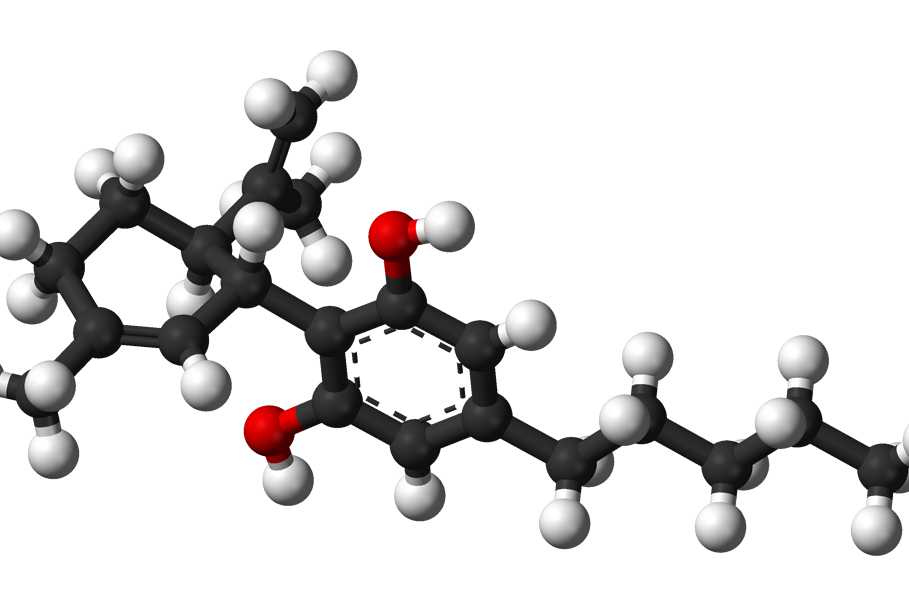
Cannabidiol has established itself as a promising therapeutic tool for severe and incurable epileptic syndromes in children. However, its use requires a rigorous approach, avoiding mythical interpretations and prioritizing patient safety.
In brief
- Cannabidiol (CBD) has demonstrated efficacy in severe epileptic syndromes like Dravet and Lennox-Gastaut, where therapeutic options are limited.
- It is not a panacea: it is an experimental drug with known adverse effects that requires strict monitoring.
- Pharmacological interaction with other antiepileptics (such as clobazam) requires precise dosage adjustments to avoid toxicity.
- Access to approved medications and supervision by specialists are priorities over the use of uncontrolled products.
A new therapeutic horizon in neuropediatrics
For decades, the history of childhood epilepsy has been marked by uncertainty that often translated into family desperation. Diagnoses were complex, classifications were broad, and available treatments were frequently insufficient or too toxic for a child’s developing body.
In this context, the emergence of new therapeutic options is not merely another advancement; it represents a vital opportunity. Cannabidiol (CBD), a compound present in the cannabis plant but lacking significant psychoactive effects, has emerged as a pharmacological tool with the potential to transform the prognosis of patients previously considered refractory to any conventional treatment.
It is essential to establish a clear distinction from the start: we are not dealing with a miraculous natural remedy or a definitive cure. We are looking at an experimental drug, subject to rigorous scientific validation processes, that offers promising results in specific and serious medical conditions.
Clinical evidence and therapeutic applications
Recent research has provided objective data on the efficacy of CBD in two particularly severe epileptic syndromes: Dravet syndrome and Lennox-Gastaut syndrome. These pathologies, characterized by resistance to standard antiepileptic drugs, represent an enormous clinical challenge.
Clinical studies have revealed that the administration of CBD, generally in the form of a sublingual spray and combined with other antiepileptic drugs, can induce a significant reduction in seizures. In controlled trials, it has been observed that a considerable percentage of patients manage to achieve total seizure freedom or experience a drastic decrease in their frequency.
A detailed analysis of data presented at international neurology congresses reflects this positive trend: approximately 90% of patients maintained treatment over prolonged periods, managing to reduce the average number of seizure episodes by 50%. In selected cases, between 9% and 15% of children managed to become completely seizure-free after twelve weeks of treatment.
In addition to these specific syndromes, there are indications of utility in other complex neurological conditions, such as tuberous sclerosis or certain genetic syndromes associated with brain malformations that involve resistant epilepsy. However, each case must be evaluated individually.
Risk reduction and safety profile
Modern medicine requires a balanced view: efficacy cannot be dissociated from safety. CBD is not free of adverse effects. Data indicate that, although moderate compared to other traditional antiepileptic drugs, these effects must be closely monitored.
The most frequent side effects include somnolence (observed in 21% of cases), diarrhea, fatigue, and loss of appetite. A small percentage of patients have discontinued treatment due to intolerance to these symptoms. Therefore, clinical follow-up is essential to adjust doses and manage these reactions.
A critical aspect that has gained relevance in recent months is pharmacological interaction. It has been documented that CBD can modify the plasma levels of other antiepileptic medications, such as clobazam, increasing their concentration in the blood and brain. This carries a real risk of toxicity or potentiated adverse effects if concomitant doses are not adjusted.
This complexity underscores the imperative need for these treatments to be managed exclusively by professionals highly specialized in neuropediatrics. Self-medication or the use of products purchased outside the regulated pharmaceutical circuit carries serious risks, given that the purity and concentration of uncontrolled extracts are not guaranteed.
Access to treatment: ethics and regulation
The recognition of the therapeutic utility of CBD has driven significant regulatory changes. The European Union classified the medication marketed under this indication (Epidiolex) as an “Orphan Drug” for Dravet syndrome as of October 2014. This status, granted by the European Medicines Agency, facilitates incentives for the development of therapies aimed at rare and debilitating diseases.
For patients who do not meet the strict criteria of clinical trials or who require immediate access before full approval, there are mechanisms such as Expanded Access Studies. These programs allow for more flexible administration under clinical supervision, although with limitations regarding the generation of broad epidemiological data.
In Spain and other developed countries, access to these types of therapies should not be a dead end that forces parents to seek parallel solutions. Public health systems have pathways to access innovative medications through compassionate use programs or conditional authorization, always under the guidance of medical specialists.
Conclusion: toward evidence-based medicine
Cannabidiol represents a step forward in the treatment of the most severe childhood epilepsies. However, it is crucial to remain cautious and move away from narratives that present it as a magic solution or an alternative to conventional medicine.
True hope lies in the combination of innovative drugs with rigorous clinical follow-up. Parents must be informed, involved, and guided by professionals capable of weighing potential benefits against real risks. Public health and the well-being of the child patient are priorities, requiring decisions based on solid scientific data rather than desperation or misinformation.
At Psiconáutica, we understand that awareness of these therapies must be accompanied by responsibility. The future of neuropediatrics involves integrating new pharmacological tools within an ethical and scientific framework, ensuring that every child receives the best possible care, with the appropriate resources and under expert supervision.
Research remains active, seeking to optimize doses, reduce adverse effects, and expand the spectrum of applications. In the meantime, clinical caution is our best ally in protecting the most vulnerable.


