

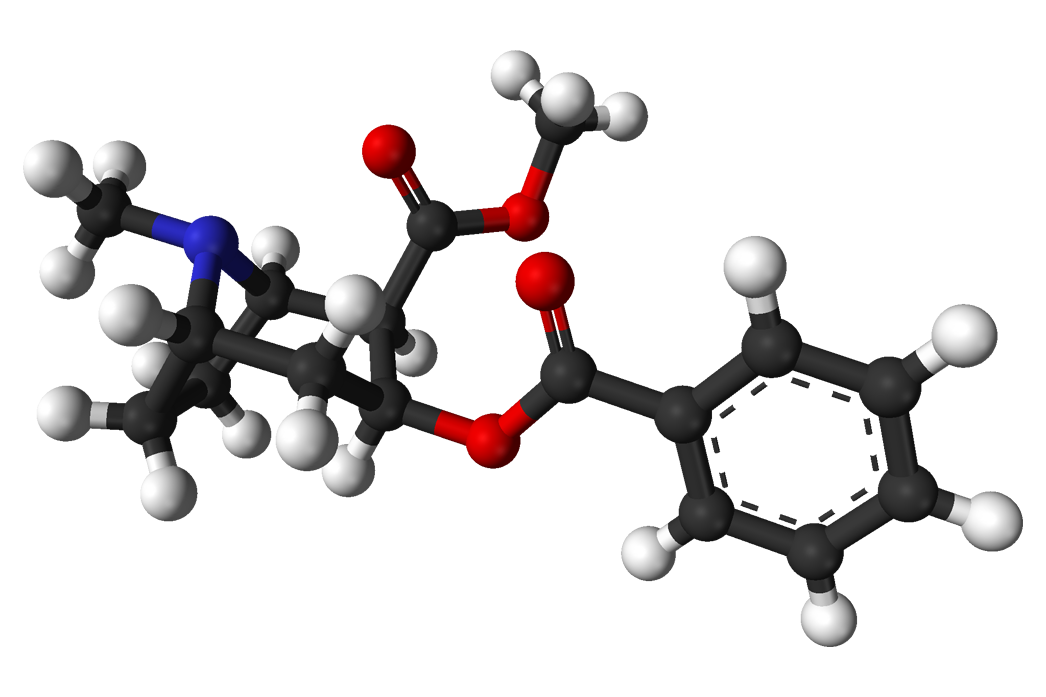
In this installment, we explore common questions about cocaine quality: Does buying in bulk guarantee higher purity? Do lines actually last for hours? We analyze how cutting agents alter flavor and effects, and why visual inspection is never enough.
In brief
- Sample weight does not automatically guarantee higher purity; the vendor’s position in the supply chain is decisive.
- The euphoric effects of an intranasal dose last between 30 and 45 minutes, with aftereffects that may linger for up to two additional hours.
- Physical characteristics (color, taste) are deceptive cues due to the sophistication of modern cutting agents.
The Weight Illusion and the Reality of Purity
It is common to hear within drug-using circles that purchasing large quantities of an illicit substance guarantees higher-quality material. This belief, popularized through word of mouth and informal lore, suggests that kilograms are inherently purer than grams or single doses. However, scientific evidence and drug-checking monitoring data show that this relationship is neither direct nor linear.
International agencies often differentiate purity based on seizure weight, publishing statistics showing that kilogram-sized seizures average higher purity than street-level doses. Nonetheless, analyses conducted by harm reduction services and forensic toxicology laboratories reveal notable exceptions. At times, a tiny retail sample can test just as pure as wholesale shipments, while in other cases, the reverse is true.
What actually determines quality is not whether a gram or a kilo is purchased at any given moment, but rather the total volume of merchandise handled by the supplier and their position within the distribution chain. A dealer moving large volumes typically distributes a homogeneous batch across their customer base; buying 100 milligrams or ten grams from the same source yields the exact same underlying batch quality. Conversely, in low-volume settings where transactions are sporadic, purity can swing wildly depending purely on the buyer’s luck.
How Long Do the Effects Last?
Another frequent question concerns duration of action when using high-purity cocaine. A widespread myth claims that a single intranasal line can keep someone in a state of euphoria for endless hours. Pharmacology provides a far more sober reality check grounded in biological facts.
The average duration of peak stimulant and euphoric effects following an intranasal dose is 30 to 45 minutes. After this peak, aftereffects may sustain milder central nervous system stimulation for about two more hours. Individual factors such as preexisting tolerance and metabolic rate can shorten or lengthen this window. While redosing can cause an accumulation of effects that keeps the nervous system stimulated for hours, claiming that a single line keeps someone energized all night is physiologically impossible.
Those who claim to have stayed energized for hours from one line usually owe that experience to non-pharmacological factors: group excitement, suggestibility, and the emotional setting. Under the right circumstances, anyone can feel euphoric and talkative without any psychoactive substance at all.
Physical Appearance: Deceptive Cues
Can quality be evaluated simply by looking at the powder or rocks? Although distinctive physical traits exist—such as fishscale sheen, color (pearly white versus yellowish hues), or texture—relying on them to assess purity is risky. Pure cocaine typically has a shiny appearance and dissolves completely in water without leaving greasy residues or insoluble specks.
However, cutting techniques have evolved to replicate these properties with remarkable precision. Illicit producers and middlemen blend diverse substances to mimic premium cocaine:
- Sweet adulterants: Sugars that mask bitter or chemical tastes.
- Local anesthetics: Compounds such as lidocaine that intensify numbness, mimicking the numbing sensation of pure cocaine.
A balanced mix of both classes of adulterants easily fools the senses: the harsh chemical taste is masked, while the characteristic numbness is exaggerated or artificially replicated. Consequently, a heavily cut sample can feel, taste, and smell indistinguishable from high-purity product.
Harm Reduction and Critical Thinking
Because visual or sensory inspection cannot reliably determine chemical composition, adopting a harm reduction mindset is essential. The only trustworthy way to know what a sample actually contains is through professional laboratory drug checking.
In light of the inherent uncertainty of the unregulated market, sensible harm reduction practices include:
- Source assessment: Prioritize suppliers with consistent volume and an established reputation, as they are more likely to distribute uniform batches.
- Test dosing: Always start with an allergy test or minimal dose to evaluate individual reaction before taking more.
- Sensory red flags: Pay attention to signs of heavy adulteration, such as overtly sweet or aggressively chemical flavors, or unusually rapid, intense numbing that does not match standard cocaine.
It is crucial to remember that pursuing perceived high purity can lead people to underestimate the dangers of unknown adulterants. Caution and scientific literacy remain the best tools for navigating this landscape, always informed by objective evidence and an awareness of potential risks.
Editorial Closing
Psychonautics is not just the study of substances themselves, but the exploration of the broader ecosystem surrounding their use. Recognizing how cognitive biases and street myths distort perceptions of purity and duration allows for safer, better-informed decisions. Critical awareness in the face of illicit market folklore is a vital step toward practical harm reduction.
Ultimately, mental and physical well-being depends on our ability to separate wishful thinking from scientifically verified evidence. Staying alert to marketing hype and relying on trustworthy data is the only sensible way to navigate this complex territory.