

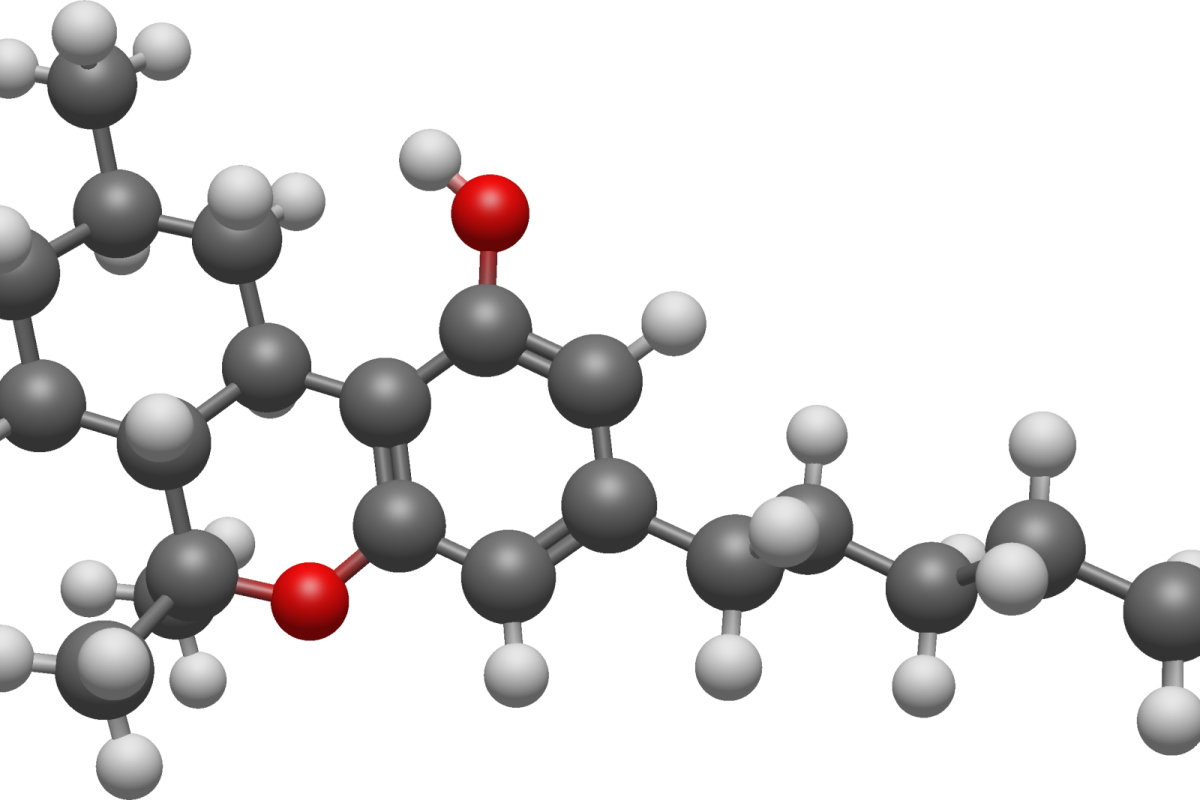
The Aroma Deception and Chemical Reality
Starting in 2008, emergency departments in various European hospitals began seeing alarming cases. Patients presented with severe visual hallucinations, extreme anxiety, tachycardia, and hypertension after smoking herbal blends frequently purchased online. Although many affected individuals described sensations similar to cannabis—such as bloodshot eyes or mental slowness—the effects were notably more intense and long-lasting. What appeared to be a simple botanical blend turned out to be a vehicle for high-risk synthetic compounds.
In brief
- Elevated neuropsychiatric risk: Synthetic cannabinoids can trigger acute psychosis, seizures, and irreversible brain damage.
- False sense of security in labeling: Products sold as incense or aromas contain toxic substances hidden behind additives like vitamin E.
- Toxicological uncertainty: There is insufficient data on safe dosages, metabolites, or the long-term effects of these synthetic molecules.
- Complex analytical detection: Conventional systems do not detect these compounds, complicating diagnosis and epidemiological surveillance.
Testimonies That Alerted the Scientific Community
Documenting first-person experiences has been crucial to understanding the magnitude of the problem. Accounts collected in specialized databases describe traumatic experiences: from involuntary transport between dreamlike realities to an uncontrollable sensation of death and terror.
One user recounted how, after consuming a blend, they felt their mind was transported through different realities, experiencing unpleasant emotions from all over the world. Another testimony details how the consumption caused temporary deafness due to the intensity of the heartbeat and a paralyzing anxiety superior to that caused by other known substances like psilocybin or ecstasy.
In other cases, those affected were left in a state of semi-consciousness, unable to control their body movements or open their eyes, while hearing repetitive voices and screams. These experiences underscore that the subjective perception of “very potent cannabis” is misleading; the physiological reality involves a dangerous overstimulation of the central nervous system.
The Mystery of Herbal Blends
Since mid-2006, various blends presented in metallic envelopes were marketed via the Internet. The labels usually evoked psychedelic culture with fractals or cannabis leaves, but falsely warned that they were not suitable for human consumption. Brands like Spice, Yucatan Fire, or ChillX were sold under the guise of exotic incense.
The declared composition included plants such as bay bean, blue lotus, or dwarf skullcap. While some of these species have traditional medicinal uses, their psychoactive effects are not scientifically proven, and it is unlikely that smoking them would cause severe intoxication.
Laboratory analysis revealed a different reality: the mentioned plants were either absent or present in insignificant quantities. No natural cannabinoids or other common drugs were detected either. However, the constant presence of vitamin E (tocopherol) drew attention. This antioxidant produces no psychoactive effects and degrades when smoked; its intentional inclusion suggests a masking purpose to hinder the identification of the actual active compounds.
The Discovery of Synthetic Cannabinoids
Toward the end of 2008, research teams in Germany finally identified the true nature of these blends. Homologs of the cannabinoid CP 47,497 and compounds like JWH-018 were detected. These are CB1 receptor agonists originally developed for pharmacological or analgesic studies in animals, never marketed or evaluated in humans.
JWH-018, for example, binds to CB1 receptors five times more strongly than natural THC. Although its initial study was funded by research institutions to seek treatments, decades later it has found an unwanted place in the illegal recreational market.
Clinical Consequences and Toxicity
Until 2009, data on these compounds in humans were nonexistent. Subsequently, reports documented withdrawal syndromes after daily consumption for months, with symptoms such as extreme anxiety and persistent high blood pressure.
In addition to their cannabimimetic action, these substances inhibit the brain’s GABAergic system, which facilitates the onset of severe seizures. In people without prior experience or with a psychiatric history, the risk of triggering acute psychosis—with threatening auditory hallucinations and persecutory delusions—is significantly higher than with natural cannabis. Cases of death related to their consumption have even been described.
Reflection on Uncertainty
In an interview, one of the chemists involved in the initial development of these molecules compared consuming Spice to playing Russian roulette. The lack of toxicological data, ignorance of metabolites, and absence of clinical trials validate this warning.
It is essential to distinguish between real risks and media perceptions. The problem of synthetic cannabinoids has only just begun; new variants constantly emerge to evade regulations, perpetuating a cycle of uncertainty that is dangerous for public health.
Editorial Closing
At Psiconáutica.org, we understand that knowledge is the best tool for navigating complex environments. Faced with deceptive marketing that presents these substances as accessible or safe alternatives, we must maintain a critical stance based on scientific evidence rather than anecdotal testimonies or promises of potency.
Mental and physical health require prudence regarding products without regulation or quality control. Harm reduction involves avoiding the consumption of blends of unknown origin and encouraging the search for verified information on pharmacology and toxicology. Only in this way can we protect our integrity in a market where curiosity can have irreversible consequences.


