

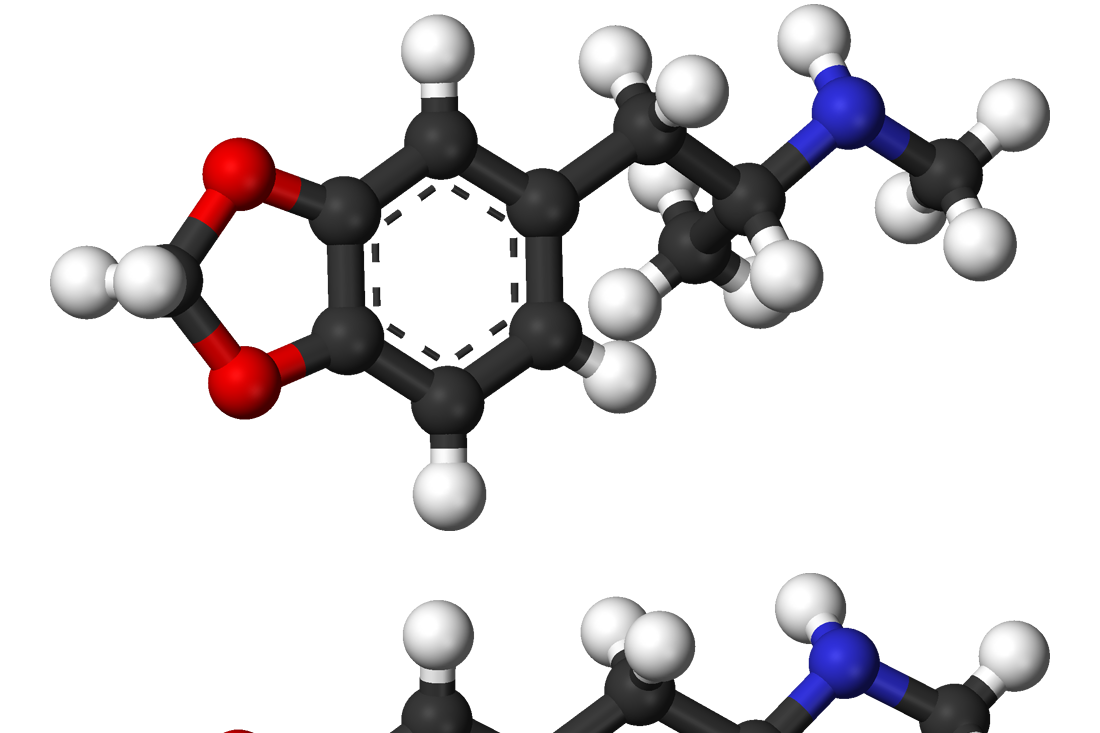
Pain is one of the most universal and harrowing experiences defining the human condition. Ernst Jünger aptly described it as the most demanding trial in the gauntlet of existence. Throughout history, humanity has sought relief from physical suffering across pharmacological and psychological avenues. In recent decades, a compound widely recognized as MDMA or ecstasy has attracted scientific attention not only for its entactogenic properties in social contexts, but also for its potential analgesic effects. This article provides a measured, evidence-based examination of how this molecule modulates physical and emotional suffering, grounded in a strict harm reduction framework.
In brief
- Mechanism of action: MDMA exerts analgesic effects primarily via the serotonergic neurotransmitter system rather than direct opioid receptor activation.
- Early clinical evidence: Historical case reports document patients with intractable chronic pain experiencing significant relief during guided therapeutic sessions.
- Cardiovascular risks: The administration of MDMA in terminally ill or cardiac patients presents notable risks, which historically slowed large clinical trials.
- Dual therapeutic benefit: Alongside somatic relief, MDMA fosters cognitive and emotional reframing that helps alleviate psychological distress tied to severe suffering.
- Current regulatory status: Controlled substance scheduling in most Western nations continues to restrict regulated clinical deployment and prospective research.
Foundations of Pain Relief with MDMA
To evaluate the analgesic potential of this compound, it is necessary to differentiate between classical pain pathways and serotonin-mediated modulation. Historically, clinicians observed that certain psychostimulants could enhance the efficacy of opioids. This synergy permitted lower opioid dosages, thereby reducing risks of respiratory depression, severe sedation, and accidental overdose.
Preclinical pharmacology confirms that MDMA primarily acts by releasing large quantities of endogenous serotonin. Animal studies demonstrate that when serotonin receptors are pharmacologically blocked, the analgesic effect is abolished. In contrast, blocking opioid receptors does not negate this analgesia. This clearly demonstrates that MDMA operates independently of opioid mechanisms, altering pain thresholds through distinct neurochemical pathways.
This insight is clinically valuable, suggesting that serotonergic neurotransmission plays an underappreciated role in pain processing. Nevertheless, translating laboratory observations into clinical care demands extreme caution, particularly because serotonin also regulates vital autonomic functions like thermoregulation and vascular tone.
Historical Cases and Clinical Observations
Some of the earliest documented therapeutic accounts date to the late 1980s. Dr. George Greer, a pioneering psychiatrist recognized for his work with MDMA in psychotherapy, documented several sessions with individuals suffering from severe chronic pain.
In one prominent case, an elderly patient diagnosed with metastatic multiple myeloma was treated. This malignancy destroys bone marrow and causes recurring vertebral fractures, inflicting agonizing pain that severely crippled his mobility and quality of life. Following a structured therapeutic session in a calm, supportive setting, the patient reported complete relief from somatic pain for several hours.
The patient described an internal sensation of physical reconstitution, feeling as if fractured bone fragments were knit together and compressed nerves released. Crucially, relief was not merely physical: the subject experienced profound feelings of love and connection toward his family, aiding psychological reconciliation with his terminal prognosis. While physical pain eventually returned weeks later, his emotional capacity to manage suffering remained substantially improved.
This clinical inquiry was halted when MDMA was placed into Schedule I by the US Drug Enforcement Administration (DEA). Despite encouraging case histories, legal prohibitions and funding constraints historically precluded large-scale clinical trials assessing MDMA for chronic pain management.
Modern Studies and Methodological Limitations
Subsequent investigators pursued similar questions. In 1999, the US Food and Drug Administration (FDA) approved a study protocol evaluating escalating doses of MDMA in terminal cancer patients. The goal was to measure both physical analgesia and psychological symptom burden.
However, the protocol was ultimately suspended due to concerns over cardiovascular vulnerability. MDMA produces significant elevations in heart rate, arterial blood pressure, and body temperature—physiologic stressors that carry grave risks for frail patients with compromised organ function or preexisting cardiovascular disease.
Prudence is a cornerstone of harm reduction. In clinical medicine, patient safety must always outweigh hypothetical benefits. Because there are currently few approved, ongoing prospective clinical trials assessing MDMA specifically for cancer pain, broad claims of efficacy must be viewed with rigorous scientific skepticism.
Concurrently, clinical research with psilocybin has advanced for existential anxiety and demoralization in palliative care. While psilocybin also alters pain processing, its cardiovascular profile is generally milder than that of MDMA. This suggests that future pain research may emphasize compounds with more benign hemodynamic footprints.
Psychological Reframing and Existential Relief
Beyond somatic nociception, one of the most significant aspects of guided psychedelic sessions is the subjective transformation of suffering. Pain is not merely an afferent sensory signal; it carries cognitive and affective dimensions that can amplify or attenuate conscious distress.
In the aforementioned clinical case, the patient described experiencing ego dissolution and mystical unity during the session. He envisioned his immune system fighting malignant cells and felt profound existential peace. Such experiences frequently allow patients to contextualize somatic distress, easing catastrophic fear and fostering psychological resilience.
Distinguishing controlled therapeutic practice from unmonitored recreational use is essential. In unsupervised environments, MDMA ingestion carries hazards of dehydration, hyperthermia, adulterated supplies, and dangerous drug-drug interactions. Spontaneous analgesic effects in casual settings are unpredictable and must never substitute for medical pain management.
Conclusion: Moving Forward Responsibly
MDMA provides an illuminating case study of how psychopharmacology can offer fresh insights into ancient human challenges like chronic pain. Its ability to engage serotonin pathways and alleviate both physical tension and existential distress is clinically intriguing, yet inseparable from cardiovascular risks.
Until rigorous, well-powered clinical trials are conducted under strict medical oversight, using MDMA as an analgesic remains experimental and medically hazardous. Researchers must continue searching for safer, targeted pharmacological tools.
Physical suffering is an intrinsic aspect of biological life, but developing evidence-based strategies that respect human physiology remains our best course. Psiconáutica approaches these complex therapeutic horizons with scientific rigor, objectivity, and an enduring commitment to harm reduction.