

Psiconáutica Editorial Team · 26 November 2026
In brief
- A notice published on 25 November 2026 proposes adjusting this year’s quotas: psilocybin would rise from 50,000 to 60,000 grams, psilocyn from 80,000 to 93,600 and methylone from 30,000 to 42,500.
- The DEA attributes this to greater manufacturer interest in developing dosage forms for clinical trials following Executive Order 14401.
- A quota sets how much may be manufactured in the country at most. It does not approve medicines, does not change Schedule I and does not say how much will actually be produced.
Whenever the US Drug Enforcement Administration (DEA) moves its quotas, headlines about “more psilocybin” follow. But what exactly does that figure measure? This explainer sets out what three official 2026 notices say and what they do not allow us to conclude: the established quotas from January, the proposal for 2027 and the 2026 adjustment that has just been published.
What an aggregate production quota is
The Controlled Substances Act requires the DEA to set each year how much of each Schedule I and II substance may be manufactured in the country (section 306, 21 U.S.C. 826). According to the notices themselves, the figure must cover estimated medical, scientific, research and industrial needs, lawful exports and reserve stocks. To calculate it, the agency says it weighs inventories, sales, exports, FDA projections and usage data. Quantities are expressed in grams of anhydrous base or acid. The notice also points out that the Administrator may increase or reduce the quotas at any time.
The 2026 series, in three documents
- 5 January 2026, established quotas. Psilocybin, 50,000 g; psilocyn, 80,000; methylone, 30,000; MDMA, 12,000; DMT, 25,000; ibogaine, 210. The text says psilocybin, psilocyn and DMT were set higher than proposed, without giving a specific reason for each.
- 10 November, proposal for 2027. It proposes 60,000 g of psilocybin and 93,600 of psilocyn, and raises MDMA to 33,296 g and ibogaine to 12,002 g, as we explained in our news story on the 2027 quotas. At the time we had not located the 2026 revision the notice referred to.
- 25 November, proposed 2026 adjustment. That document has now been published (91 FR 76268). It raises psilocybin, psilocyn and methylone for the current year to the same figures proposed for 2027. It leaves MDMA (12,000 g), DMT, 5-MeO-DMT (30,000), LSD (1,200), mescaline (1,200) and ibogaine (210) unchanged.
Why they rise, according to the DEA
The justification is brief and shared by the three substances. According to the notice, the increase is based on growing manufacturer interest in developing dosage forms for clinical trials in response to Executive Order 14401 of 18 April 2026. The document describes that order as a policy of accelerating research and approvals of psychedelic-based treatments for serious mental illness. It does not name specific trials or companies.
The rest of the table is worth a look. The same adjustment raises stimulants used for ADHD: d,l-amphetamine, for example, would go from about 24.2 to 31.7 million grams. It also trims fentanyl slightly because of diversion estimates and assigns 30 grams to substances newly placed in Schedule I, such as bromazolam or 2-fluorodeschloroketamine, both temporarily scheduled. Psychedelics are a small part of a largely pharmaceutical document.
What a quota does not measure
- It is not a production forecast: it sets how much may be made, not how much will be made. Nor do the notices say how much each company gets.
- It does not approve any medicine. Psilocybin, psilocyn and methylone remain in federal Schedule I, and drug approval is the FDA’s responsibility.
- It does not measure patient access, nor the efficacy or safety of any substance.
- It is a proposal: comments are accepted until 28 December 2026 (docket DEA-1568A), and it may change.
Cannabis adds another caveat. Marijuana that remains in Schedule I keeps its quotas. For products moved to Schedule III in April 2026, the DEA explains that it is registering the manufacturers and distributors who will handle them and, at the same time, assessing data sources and methods for estimating legitimate need. It will publish a separate notice once the proposed quotas for those substances are determined.
What it means
According to the DEA, the increases reflect greater manufacturer interest in developing dosage forms for clinical trials. The notices do not tell us how much psilocybin, psilocyn or methylone will actually be manufactured, whether those trials will take place or succeed, or when treatments might be available. For the clinical context, see our guide to psychedelic science and therapy. The lead for this topic came from a Cannabis Magazine headline (in Spanish). The figures come from the official documents.
Sources
- DEA. “Proposed Adjustments to the Aggregate Production Quotas for Schedule I and II Controlled Substances and Assessment of Annual Needs for the List I Chemicals Ephedrine, Pseudoephedrine, and Phenylpropanolamine for 2026.” 91 FR 76268, 25 November 2026, document 2026-23959, docket DEA-1568A (govinfo).
- DEA. “Proposed Aggregate Production Quotas … for 2027.” 91 FR 72566, 10 November 2026, document 2026-22843 (govinfo).
- DEA. “Established Aggregate Production Quotas … for 2026.” 91 FR 287, 5 January 2026, document 2025-24277 (govinfo).
Image
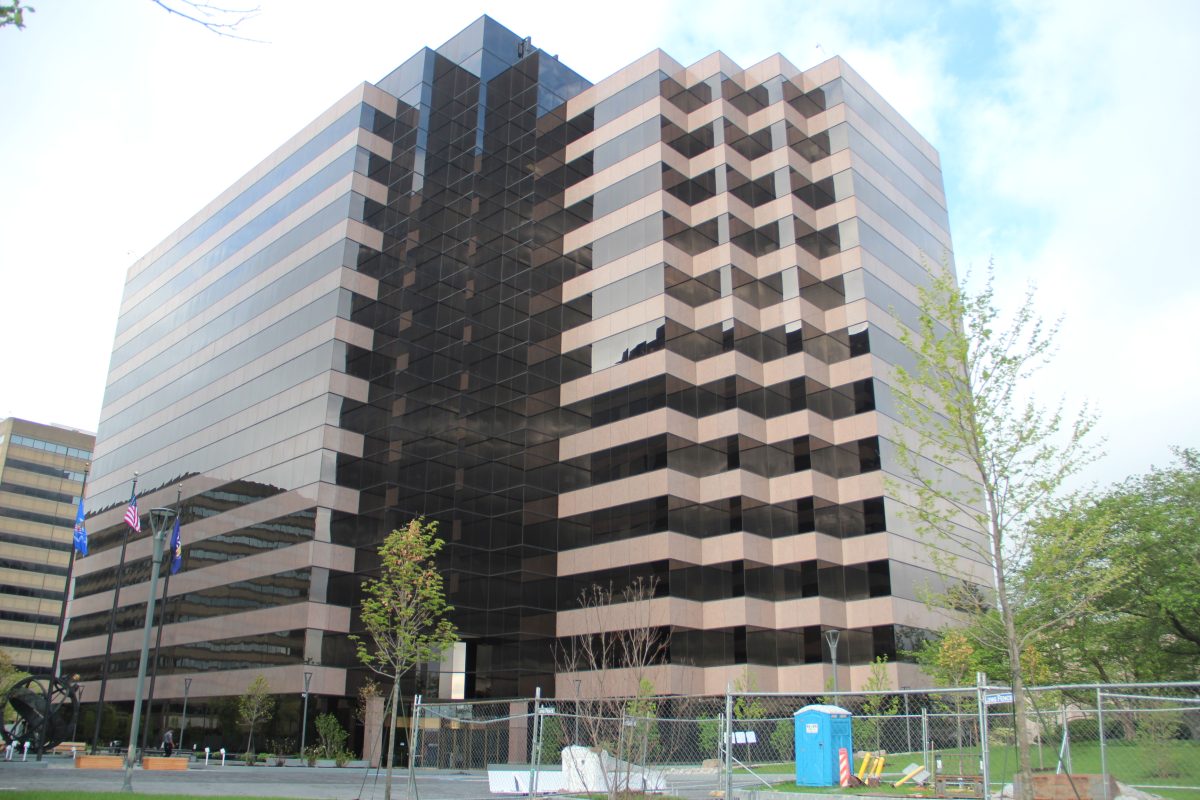
Illustrative image: the building at 700 Army Navy Drive (Arlington, Virginia), which Wikimedia Commons files under the DEA category. Photo: Thomson200, via Wikimedia Commons. Public domain dedication CC0 1.0.
Educational content produced from a harm-reduction perspective and with respect for individual freedom. It does not replace information from a healthcare professional and is not intended to encourage or condemn any drug use.