

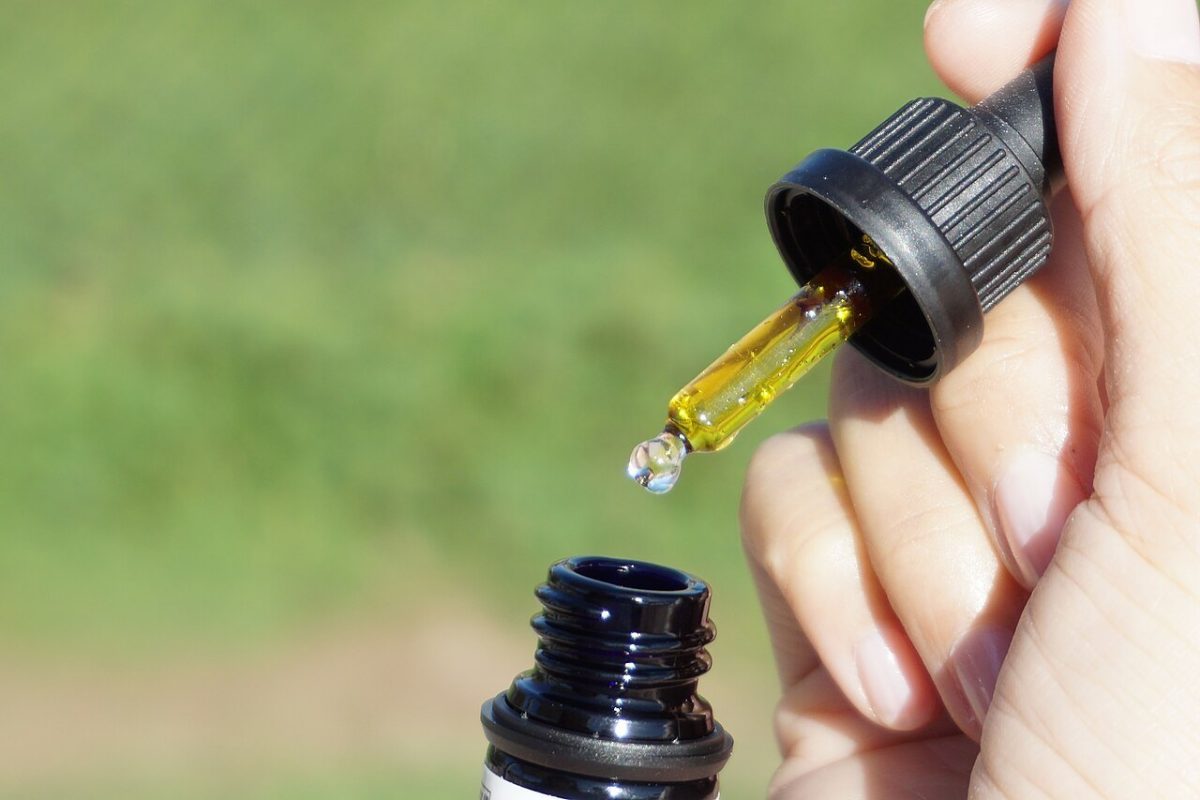
Self-medication with cannabis has grown significantly in recent years, driven by the need for accessible therapeutic alternatives and a growing interest in plant pharmacology. Yet moving from recreational use to therapeutic purposes demands a radical change in mindset: from chasing immediate effects to an approach based on evidence, safety, and harm reduction. In this context, making oral extracts at home is one of the most complex challenges facing the self-taught patient.
Cannabis oils and concentrates are not simply culinary mixtures; they are pharmacological preparations that require an understanding of the physicochemical properties of cannabinoids, the thermal stability of terpenes, and, above all, the inherent danger of certain extraction methods. How well the final product works depends critically on the quality of the raw material and the protocol chosen.
In brief
- Solvent hazards: Butane, naphtha, and hexane carry serious risks from flammability and residual toxicity; using them at home is not advisable.
- Olive oil as the standard: The safest, cheapest, and most accessible method for oral extraction, though with limits on concentration.
- Decarboxylation is essential: Controlled heat turns inactive THC-A into active THC; without this step, there is no therapeutic effect.
- Filtering and purifying: Activated charcoal removes chlorophyll and bitter taste after extraction with ethanol or hot oil.
- Myths about miracle cures: Oral self-medication does not replace cancer treatment; the scientific evidence is clear on this.
The Basics of Extraction: Cannabinoids and Terpenes
To understand how to prepare a therapeutic oil, you need to tell apart the chemical components you are after. The main cannabinoids are tetrahydrocannabinol (THC) and cannabidiol (CBD). THC has psychoactive and analgesic properties, while CBD acts as a modulator of the endocannabinoid system without inducing euphoria. Both usually coexist in the plant, although recreational varieties tend to concentrate almost exclusively THC.
Besides these lipophilic compounds, terpenes—such as myrcene, linalool, or pinene—contribute synergistic effects known as the “entourage effect.” These essential oils are volatile and sensitive to heat; any method that fails to preserve them will yield a pharmacologically incomplete product.
The Solvent Dilemma: Efficacy Versus Safety
Chemical extraction aims to “pull” the cannabinoids out of the plant matrix and into a liquid vehicle. Industrial methods use light hydrocarbons such as butane or pentane, which are extremely efficient but also highly flammable and toxic if not perfectly purified. In a home setting, those risks are unacceptable: gas leaks, explosions from accidental ignition, and carcinogenic residues in the final product.
Solvents such as naphtha, petroleum ether, or hexane are also used commercially, but they leave traces that are hard to remove without advanced laboratory equipment. Even with prolonged decanting, compounds that affect the nervous system over the long term can persist.
Ethanol: A Double-Edged Sword
Absolute ethanol (96° or higher) is a versatile solvent and relatively safe if handled with care. It efficiently extracts cannabinoids, terpenes, and chlorophyll. The problem is the intense green color and herbal taste that chlorophyll leaves behind. To correct it, activated charcoal is used during maceration or in later filtering. Even so, pure ethanol is expensive to buy legally; pharmacy alcohols are not suitable because of their low proof and additives.
Olive Oil: Simplicity and Safety
Extra virgin olive oil emerges as the best-balanced option for the responsible user. Its fatty nature lets it dissolve cannabinoids with moderate heat, with no need for aggressive solvents. The process involves heating the mixture in a double boiler for about two hours, reaching temperatures near 100 °C (212 °F). That range is enough to activate the THC (decarboxylation) but not enough to fully degrade the more stable terpenes.
Once the mixture has cooled, it is pressed through coffee filters or French presses to separate the plant fibers. The result is an oil of variable concentration that depends directly on the cannabinoid content of the source plant and the infusion time. Although it does not allow extremely high concentrations like pure hydrocarbons, it offers a wide and safe therapeutic window.
Harm Reduction: Particulars of Oral Use
Oral administration introduces critical variables that the user should consider. Oral cannabis takes between 30 and 90 minutes to take effect, depending on digestion and individual metabolism. That lag can lead to overdosing if the patient repeats the dose before feeling the first symptoms.
Another underestimated risk is variability between individuals: what works for one patient may be ineffective or toxic for another. That is why therapeutic guidance should rest on scientific protocols and not on anecdotes from forums or social media.
The Cancer Myth
It is imperative to make clear that no homemade oral extract can “cure” cancer. Although some preclinical studies suggest antitumor activity of CBD in cell models, extrapolating to human patients requires rigorous clinical trials and standardized doses under medical supervision. Promising miracle cures is not only irresponsible but can delay effective cancer treatment.
Editorial Close: Toward a Culture of Care
Making cannabis oils at home reflects a legitimate desire for therapeutic autonomy, but it also demands scientific humility. True wisdom lies in recognizing the limits of our knowledge and tools. Olive oil is not perfect, but its safety makes it the right place to start on the road to informed self-medication.
At Psiconáutica we always promote an approach that combines investigative curiosity with practical prudence: checking references, consulting healthcare professionals, and putting mental health ahead of the search for magic solutions. The pharmacology of cannabis is promising, but its responsible application depends on each of us.