

In brief
- The July notice scheduled a hybrid public hearing for 14 September 2026 on how psychedelic therapy should be implemented if such medications are eventually approved.
- The notice did not seek comment on specific-product efficacy or scheduling: the focus is strictly on provider training, safety, access, and data collection.
- Registration and speaking requests closed on 21 August; comments closed on 5 October. Those deadlines had passed by the 20 October review and are not an invitation to submit now.
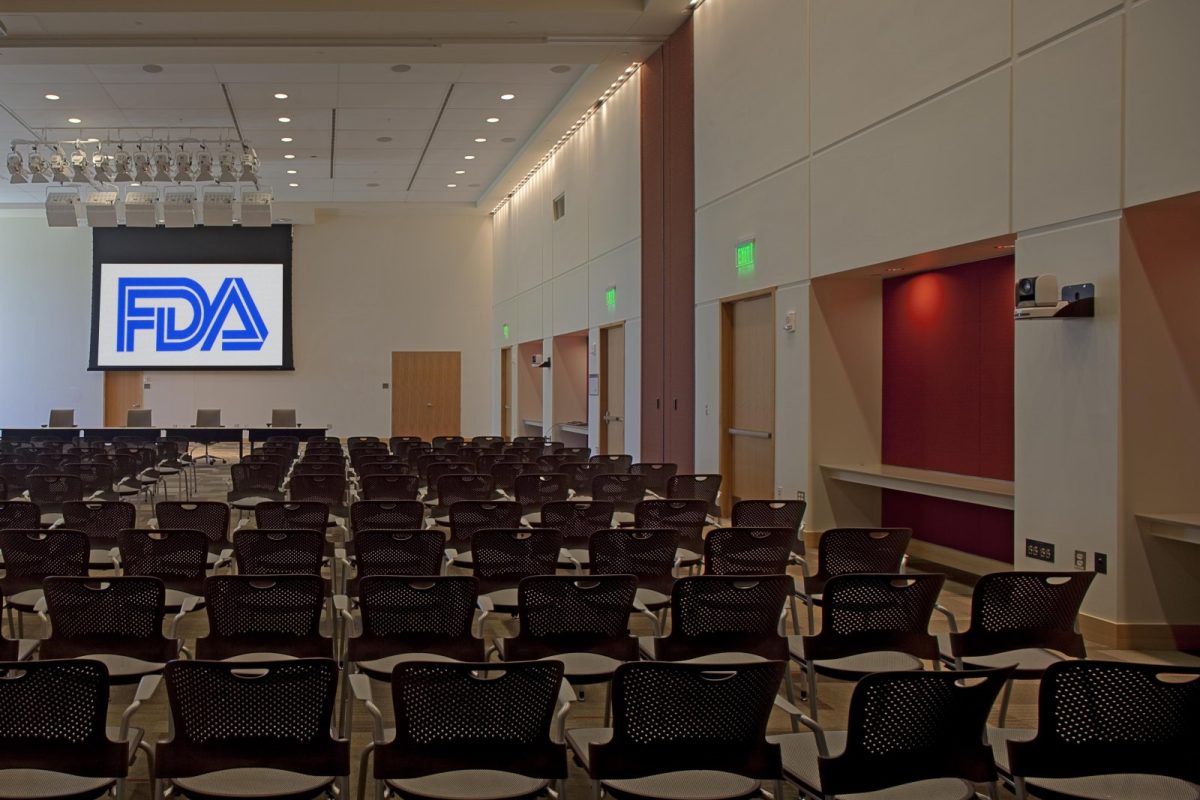
The Food and Drug Administration (FDA) has published a notice in the Federal Register convening a public hearing on the potential future therapeutic use of psychedelics. The notice scheduled the event for 14 September 2026 from 12:30 to 4:30 p.m. Eastern Time at the agency’s White Oak campus in Silver Spring, Maryland, with options to attend and participate remotely.
The defined scope of the consultation
Perhaps the most telling aspect of the notice, published on July 14 under Docket No. FDA-2026-N-7542, is what the agency explicitly excludes: it will not accept comments on the safety or efficacy of any specific investigational drug, the scheduling of any substance under the Controlled Substances Act, legalization or decriminalization, or religious, ceremonial, or personal use outside healthcare settings. That consultation scope is not a decision to approve drugs or a determination of how future treatment must be delivered.
The four core discussion topics make this focus evident: training and credentialing for facilitators; patient safety, including pre-screening, crisis management, and informed consent for challenging experiences; terms of access, encompassing insurance coverage and real-world clinic capacity; and data standardization, linking health records, federal surveys, and state programs to track both medical and non-medical use.
Priority vouchers and an executive order in the mix
The document itself places the hearing within a broader landscape. In April 2026, the FDA granted national priority vouchers—designed to shorten review of qualifying applications, without guaranteeing approval—to companies researching psilocybin for treatment-resistant depression, psilocybin for major depressive disorder, and methylone for post-traumatic stress disorder. The agency clarifies that neither these vouchers nor the Breakthrough Therapy designations previously awarded to MDMA for PTSD (2017) and psilocybin for depression (2018 and 2019) represent a determination that a drug is safe or effective. All of this unfolds under Executive Order 14401, signed on April 18, 2026, which directs federal agencies to coordinate efforts to facilitate research and share data on these compounds.
What it means
The notice seeks perspectives on training, access and data, rather than deciding applications or changing substance scheduling. This review inspected the notice, not a transcript, full comments or subsequent decisions, and does not certify that the event occurred as scheduled. Related previous coverage: finalized clinical trial guidance for psychedelics ; other coverage does not verify the outcome of this notice.
The notice asks about staffing, consent, power imbalance, safety and access without establishing binding answers. Overlapping topics do not demonstrate that FDA adopts a particular cultural origin for those practices. They can also be considered from the perspective of harm reduction networks.
Source
- U.S. Food and Drug Administration. Considerations for Potential Future Therapeutic Use of Psychedelic Drugs; Public Hearing; Request for Comments. Federal Register, Docket No. FDA-2026-N-7542 (91 FR 43095), July 14, 2026.
Educational content written from a harm reduction perspective and with respect for individual freedom. It is not a substitute for advice from a healthcare professional and is not intended to encourage or condemn any drug use.