

In brief
- Tourism around huachuma (San Pedro) ceremonies is surging across the United States, Latin America, and Europe.
- A field analysis by a UC Berkeley researcher gathers hundreds of accounts and examines evidence surrounding its effects.
- The report draws parallels with ayahuasca tourism, asking how to avoid repeating the same unequal dynamic with Andean communities.
Western tourism surrounding ceremonies with huachuma, the Andean cactus commonly known as San Pedro, is expanding across the United States, Latin America, and Europe. A field analysis published by a researcher at the University of California, Berkeley documents this surge and raises an uncomfortable question: who benefits when a sacred Andean practice becomes a wellness commodity for outsiders?
Eight thousand years of use
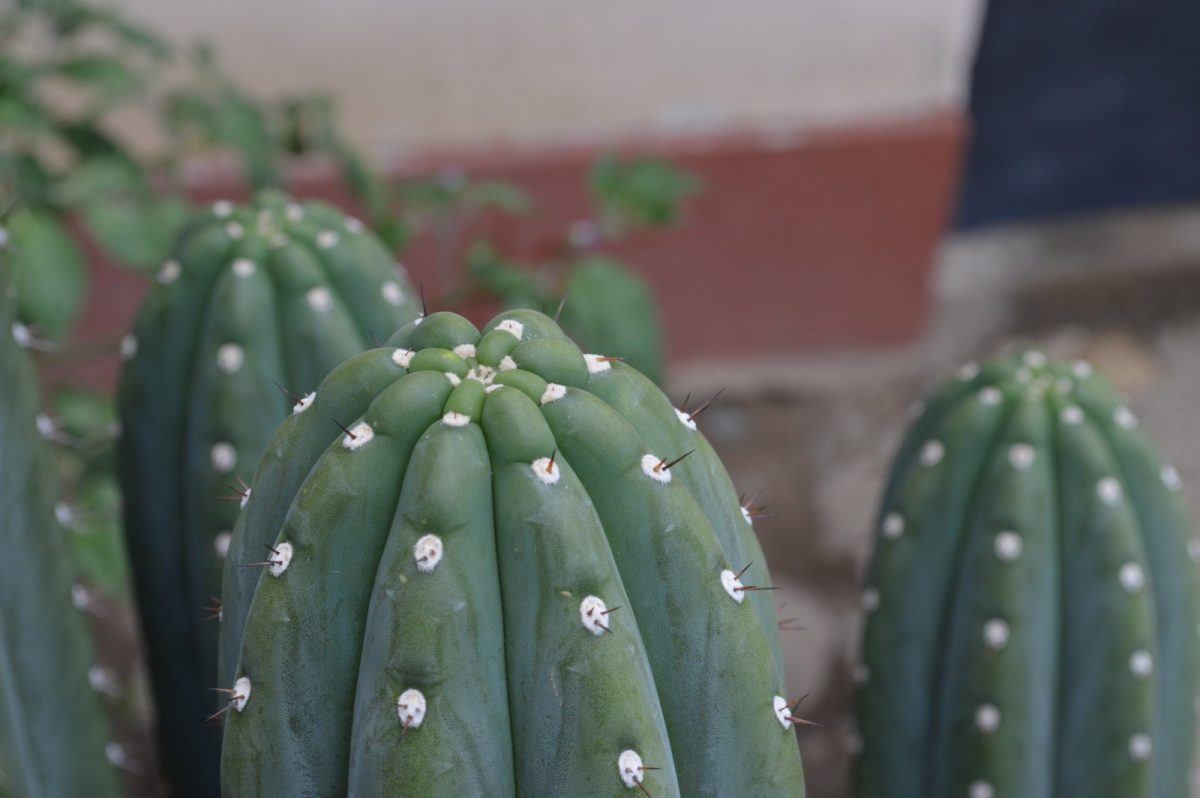
Huachuma, scientifically classified as Echinopsis pachanoi, contains mescaline—the same psychoactive compound found in peyote—though the experience it produces is distinct. Remains found in a Peruvian cave suggest use dating back some 8,000 years, and prior to 1300 BCE it was already carved in stone at Chavín de Huántar, a 3,000-year-old ceremonial complex in the northern Peruvian highlands, clutched by a fanged deity. Traditional ceremonies are guided by curanderos trained through years of lineage-based apprenticeship around the mesa, an altar where the healer drinks the brew to intuit the root of each patient’s ailment. The session spans an entire day: the bitter tea is ingested in the morning, effects emerge gradually over one to two hours and persist until sunset, as the group walks, rests, converses, and eats together.
Eleven hours of effects
The author interviewed hundreds of participants at retreats in Arizona, Mexico, and Costa Rica: veterans, police officers, executives, nurses—people who arrived after exhausting psychotherapy, antidepressants, and other psychedelics. A broad survey cited in the report found that most reported enduring improvements in depression and anxiety. According to the author, and unlike many other psychedelics, huachuma rarely generates overt visions: drinkers remain upright, capable of walking and conversing throughout the session, experiencing an effect often compared to MDMA in its capacity to foster empathy and connection. According to a controlled trial cited in the article, these effects last an average of 11 hours, more than double the five-hour window typical of psilocybin. Mescaline also elevates heart rate and blood pressure, key considerations for individuals with cardiovascular conditions, certain psychiatric histories, or specific medication regimens. A homemade brew lacks a standardized dose and potency fluctuates from plant to plant, so neither known concentration nor safety should be assumed; the author emphasizes preparation and continued facilitator presence.
What it means
The piece draws a direct parallel to the dynamics seen in ayahuasca tourism: luxury retreats charging thousands of dollars, untrained facilitators, and ceremonies stripped of traditional songs, diets, and community commitments, while the Indigenous communities who developed the practice receive little in return. With peyote, the other primary source of mescaline, this friction has already reached regulatory desks: a Navajo community petitioned the DEA to halt industrial mescaline. In response to ecological concerns, ethical growers replant a cutting for every cactus arm harvested, ensuring the plant outlives the practitioner, while interviewed healers emphasize honoring their teachers, acknowledging the Andean origins of the work, and directing financial support back to those communities. The analysis candidly highlights the dangers of inexperienced facilitators, arguing that the solution requires more transparent information, not less: clear knowledge regarding doses, contraindications, and sourcing empowers people to make informed decisions. Rising Western interest in this cactus opens genuine avenues for research into depression, anxiety, and addiction, provided it avoids repeating ayahuasca’s trajectory: extracting value while sidelining the cultures that stewarded the medicine for millennia.
Source
- Pardis Mahdavi. Huachuma, the Andean psychedelic cactus, is drawing Western seekers and raising ethical questions. The Conversation, September 8, 2026.
Educational content written from a harm reduction perspective and with respect for individual freedom. It is not a substitute for advice from a healthcare professional and is not intended to encourage or condemn any drug use.