In brief
- Louisiana’s law establishes a psychedelic-assisted-therapy research initiative from 1 August 2026; this review does not confirm active trials.
- It provides for coordinating opioid-settlement funds and other sources, without establishing an amount already allocated here.
- It covers trials involving psilocybin, ibogaine, and MDMA for individuals with opioid use disorder and other treatment-resistant mental health conditions.
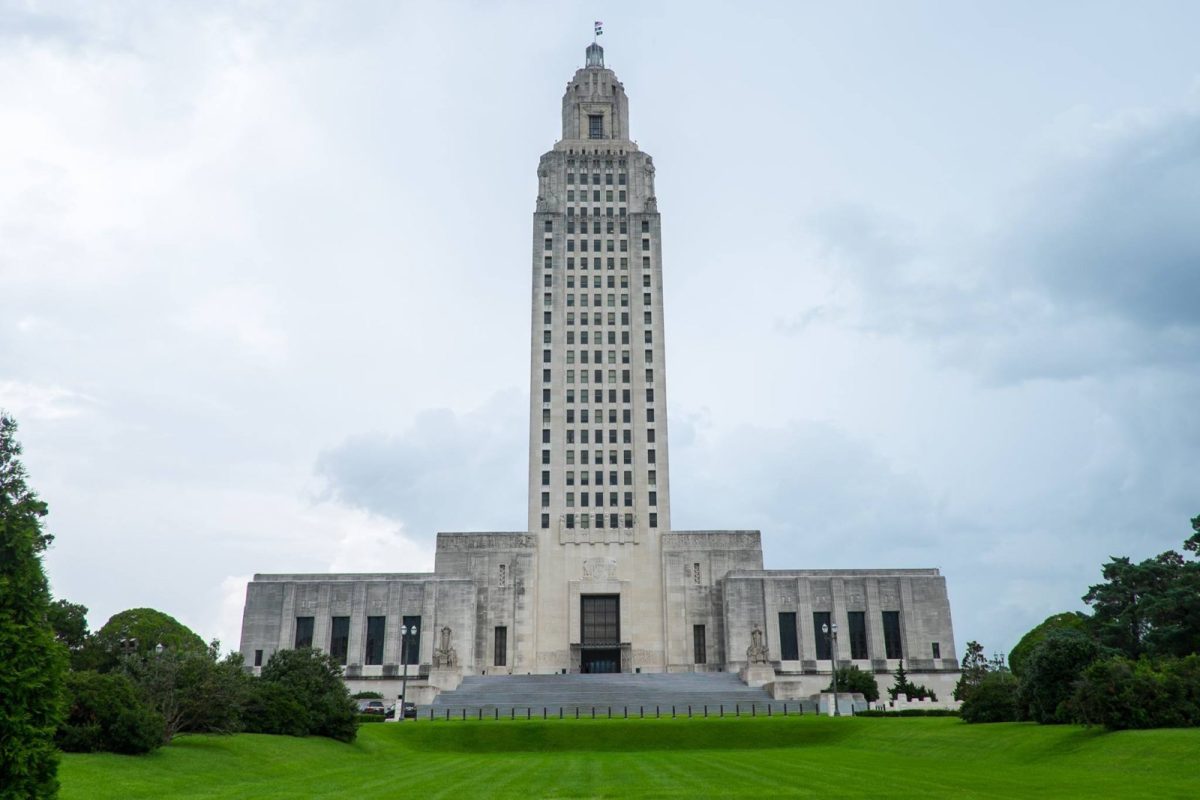
Act 956 establishes an initiative in the Louisiana Department of Health to coordinate academic centres, studies and opioid-settlement-related funding. It does not itself establish active trials. The legislation creating the program, Senate Bill 43, went into effect on August 1 after being passed unanimously by both legislative chambers in May.
An unusual funding path
The statute provides for coordinating opioid-settlement funds with parishes and allows other support, including grants and donations. A specific allocation or guaranteed total budget was not verified here. The statutory definition includes ibogaine, psilocybin, and MDMA. The statute provides for that funding pathway; this review does not rank its timing against other states.
Who it targets and how it works
The program, managed by the state Department of Health, is designed for individuals with opioid use disorder, co-occurring substance use disorders, or neurological and mental health conditions that have not responded to conventional treatments. The statute requires an FDA investigational new drug application, expanded access or another federally authorized pathway, DEA research registration and required state authorizations, plus ethics approval. It calls for professional licensure and qualification requirements and training, safety and adverse-event reporting plans; this wording does not create a separate therapist licence. For commercial rights and intellectual property arising from consortium activity within the statute, it provides for a state royalty of at least 2.5% of net sales, and it contemplates the possibility of sharing results with a consortium of other states exploring similar pathways for MDMA and other compounds.
What it implies
The statute establishes a framework and a funding pathway; it does not demonstrate guaranteed funding, patient enrollment or clinical outcomes. Implementation requires authorized centres and procedures. Actual scope would require separate verification of allocations, protocols and activity rather than inference from the effective date.
Source
- Marijuana Moment. Louisiana Bill To Create Psychedelic Therapy Pilot Program Funded By Opioid Settlement Dollars Takes Effect Without Governor’s Signature. Marijuana Moment, June 26, 2026 (law effective as of August 1, 2026).
Educational content written from a harm reduction perspective and with respect for individual freedom. It is not a substitute for advice from a healthcare professional and is not intended to encourage or condemn any drug use.