

Psiconáutica Editorial Team · November 16, 2026
In brief
- On November 10, 2026, UCSF announced CANOPY, a study that will track up to 3,000 people who plan to take psychedelics on their own, at home, or at retreats.
- The study covers psilocybin, LSD, ayahuasca, ibogaine, MDMA, and ketamine, with assessments conducted before and up to six months after use.
- It is observational: researchers do not provide the substances, and therefore it cannot prove that a substance causes a specific outcome.
Most psychedelic experiences occur outside of laboratories, yet almost everything known comes from controlled clinical settings. CANOPY aims to bridge this gap by collecting data from people who have already decided to consume these substances.
Study design
According to the UCSF release, the study will include adults from around the world willing to complete standardized assessments before and after their experience, and up to six months later. Researchers will measure mood, well-being, and other psychological outcomes. The primary component is remote. Participants able to visit UCSF will undergo neuroimaging, electroencephalography (EEG), and blood and saliva analysis before their experience, and will use wearable devices to record physiological data outside the lab.
UCSF emphasizes that it does not provide psychedelics or guide anyone on how to obtain or use them. The study website indicates it is open to anyone planning to take a substance in any context, such as at home, at a festival, at a retreat, or at a psilocybin service center.
Funding
CANOPY, led by neurology professor Robin Carhart-Harris, is receiving up to $1.4 million from ARPA-H, the federal biomedical research agency. It is part of three UCSF projects receiving up to $8.5 million in total. The others include a $4 million study on how mindset and environment influence effects, co-led by Carhart-Harris and Jennifer Mitchell, and a study of up to $3.1 million on psychedelics in older adults with low well-being and preclinical Alzheimer’s biomarkers, led by Mitchell and Lorenzo Pasquini. This funding is separate from the ibogaine-related funding announced by the HHS on November 12.
Limitations
This is an announcement, not a result. Those who sign up choose to consume and participate, meaning the group does not represent the entire user population. Without random assignment or control over what is taken (substance, dose, purity), it will be difficult to separate the effect of the drug from that of the person, the environment, or expectations; the researchers themselves state they want to disentangle these factors. There is no committed sample size, only “up to 3,000.” We have not seen a protocol or public registration.
Implications
If the design is carried out, it will provide data on risks and benefits in real-world contexts—precisely where information is scarcest—and could help generate hypotheses for future trials. In the meantime, it should not be read as an endorsement or a warning regarding any substance. Our Psychedelics Guide covers practical criteria for information and care.
Sources
- UCSF, November 10, 2026: “UCSF launches large-scale study of psychedelics in the real world” (press release distributed on EurekAlert).
- Carhart-Harris Lab (UCSF): Project Canopy page.
Image
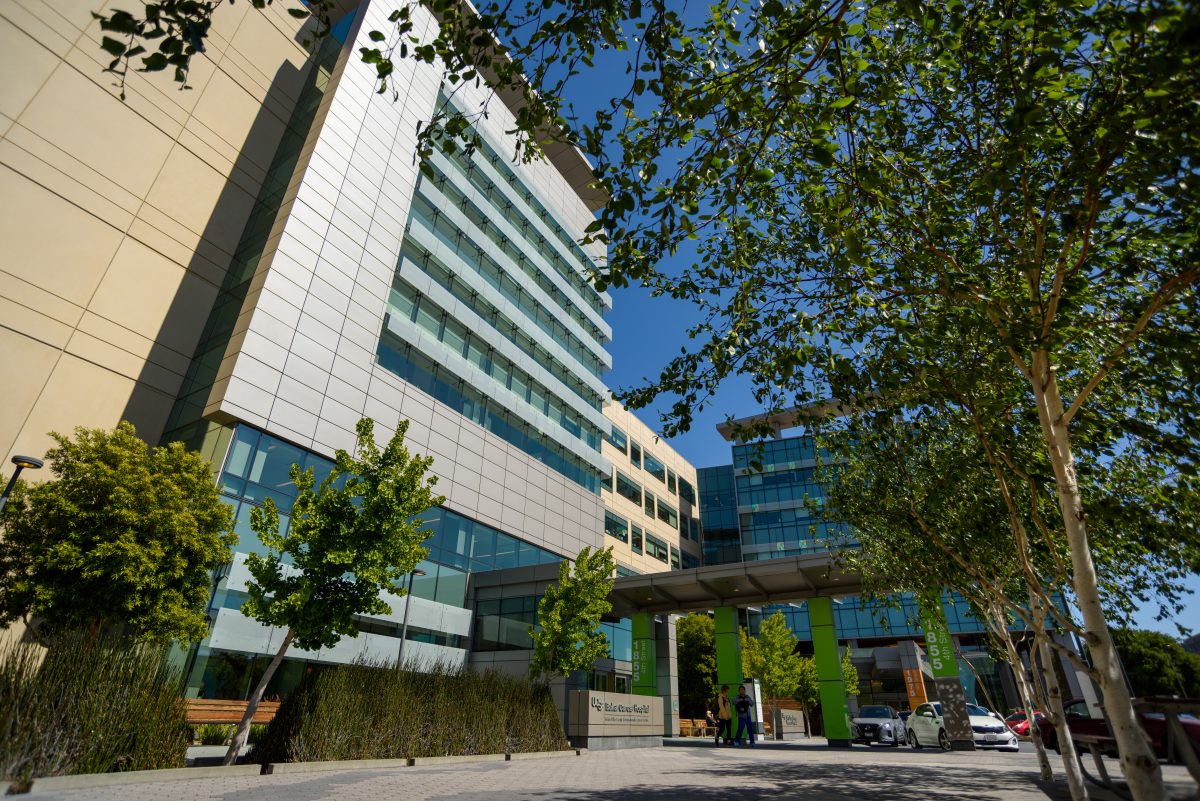
Facade of the UCSF Mission Bay campus in San Francisco. Photo: 9yz, 2025, via Wikimedia Commons, licensed under CC BY 4.0.
Educational content written from a harm reduction perspective and with respect for individual freedom. It is not a substitute for advice from a healthcare professional and is not intended to encourage or condemn any drug use.