

In brief
- A preprint from the University of Turin measured gene activity in the prefrontal cortex of mice 90 minutes and 24 hours after an LSD dose.
- Researchers found 296 altered genes at 90 minutes and 173 at 24 hours, with a core of 99 genes remaining altered at both time points, linked to circadian rhythms, metabolism, and hormonal response.
- The authors interpret the pattern as resembling “adaptive” stress (hormesis), though this is animal research based on indirect comparisons and has not yet undergone peer review.
A team from the University of Turin has described what occurs in the prefrontal cortex of mice following a single dose of LSD, examining not only immediate neuronal activation but also the genetic footprint remaining a day later. The study, authored by Savino, Liaci, Merlo, Prandi, Avalle, and Poli, was published as a preprint on bioRxiv on September 18; it has not yet undergone peer review.
Methodology
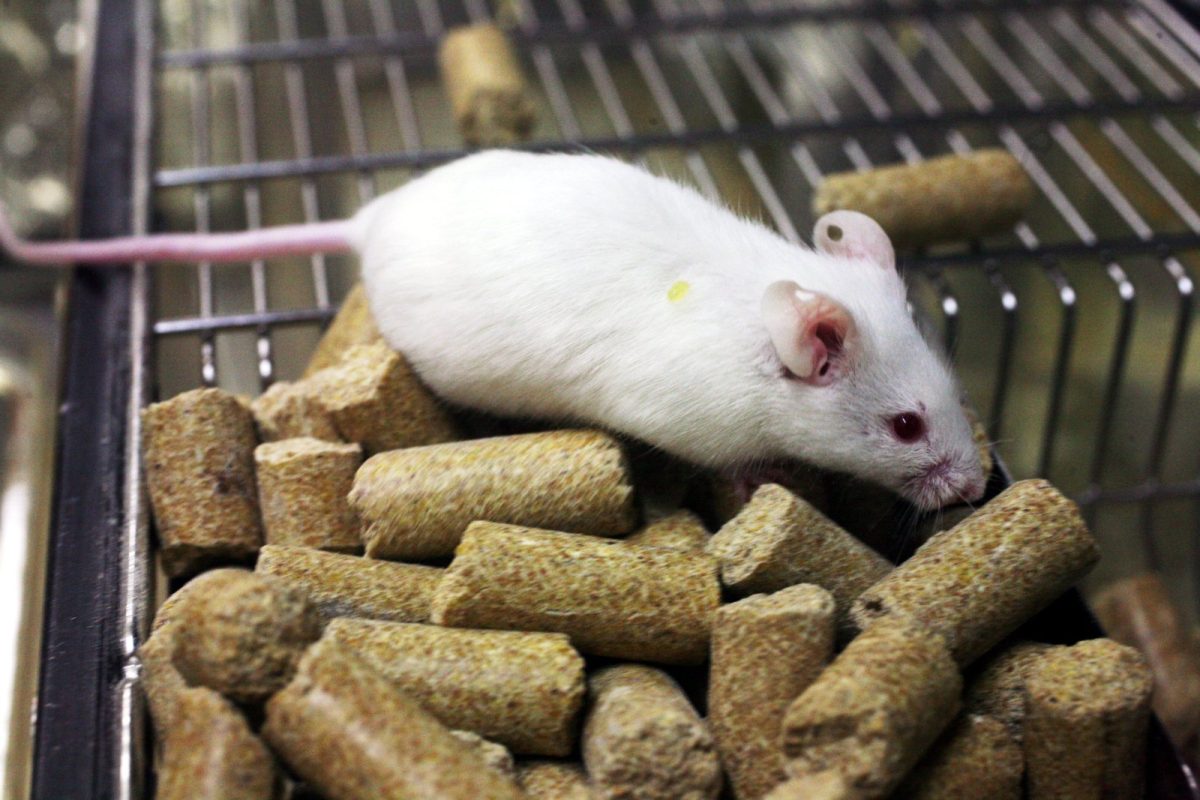
The researchers used eight-week-old male C57BL/6 mice. Some were injected with saline solution and others with LSD at a dose of 500 micrograms per kilogram via intraperitoneal injection. To confirm the dose was effective, they counted head-twitch responses—a behavioral response typical of classic psychedelics—between 15 and 30 minutes post-injection. They then extracted the prefrontal cortex at 90 minutes or 24 hours and sequenced the entire RNA to observe which genes were more or less active compared to the control animals.
Cortical Changes
At 90 minutes, 296 genes showed significant differences, and at 24 hours, 173; in both cases, upregulated genes predominated over downregulated ones. Among the former were expected immediate-early genes, such as Fos, Egr1, and Arc, as well as the neurotrophic factor Bdnf. However, the early profile also included genes related to metabolism, nutrient response, myelin-forming glial cells, and blood vessels.
By 24 hours, the burst of neuronal activation had subsided, and genes related to the circadian clock (Per1, Per2), glucocorticoid response, and TGF-β pathway regulation became dominant. A subset of 99 genes remained altered at both time points. For the authors, this stable core points to a sustained modulation of the interface between circadian rhythms, stress hormones, and metabolism.
Comparison with “Good” and “Bad” Stress
The team contrasted the LSD signature with public datasets from rodents subjected to fasting, caloric restriction, ischemic preconditioning, or exercise—all hormetic stimuli—as well as datasets involving chronic stress, such as chronic restraint, chronic variable stress, or social defeat. There was significant overlap with both groups, as they share a common stress-response background. Using a supervised model to distinguish between the two types, the LSD signature aligned more closely with hormesis—the concept that a moderate, transient disturbance activates defenses that subsequently benefit the organism—than with harmful chronic stress.
Implications
The study offers a hypothesis to explain why the effects of psychedelics can outlast their presence in the body: beyond synaptic plasticity, there may be a recalibration of stress-adaptation programs. It is important to read these findings with their limitations in mind. This is a preprint conducted in male mice using a single dose in one brain region; it measures gene expression rather than behavior or well-being, and the conclusion regarding hormesis arises from comparisons with other experiments’ databases rather than a direct trial. The authors themselves note that sharing stress pathways is not enough to determine whether a state is adaptive or harmful. It remains to be seen if these results are replicated and if something similar occurs in humans.
For general context on this substance, see our guide on LSD and ergot, and for other recent neuroscience work, you can read about the largest brain mapping of psychedelics.
Source
- Savino A, Liaci C, Merlo GR, Prandi L, Avalle L, Poli V. Psychedelic Hormesis: LSD Activates Adaptive Stress Transcriptional Programs in the Prefrontal Cortex. bioRxiv (preprint), September 18, 2026.
Educational content written from a harm reduction perspective and with respect for individual freedom. It is not a substitute for advice from a healthcare professional and is not intended to encourage or condemn any drug use.