

In brief
- On September 9, the U.S. Court of Appeals for the D.C. Circuit refused to stay the order that moved a portion of cannabis from Schedule I to Schedule III.
- The order, signed in April by Attorney General Todd Blanche, affects FDA-approved cannabis medications and cannabis covered by a state medical license.
- This is a procedural decision; the core issue—whether Blanche had the authority to act—remains unresolved.
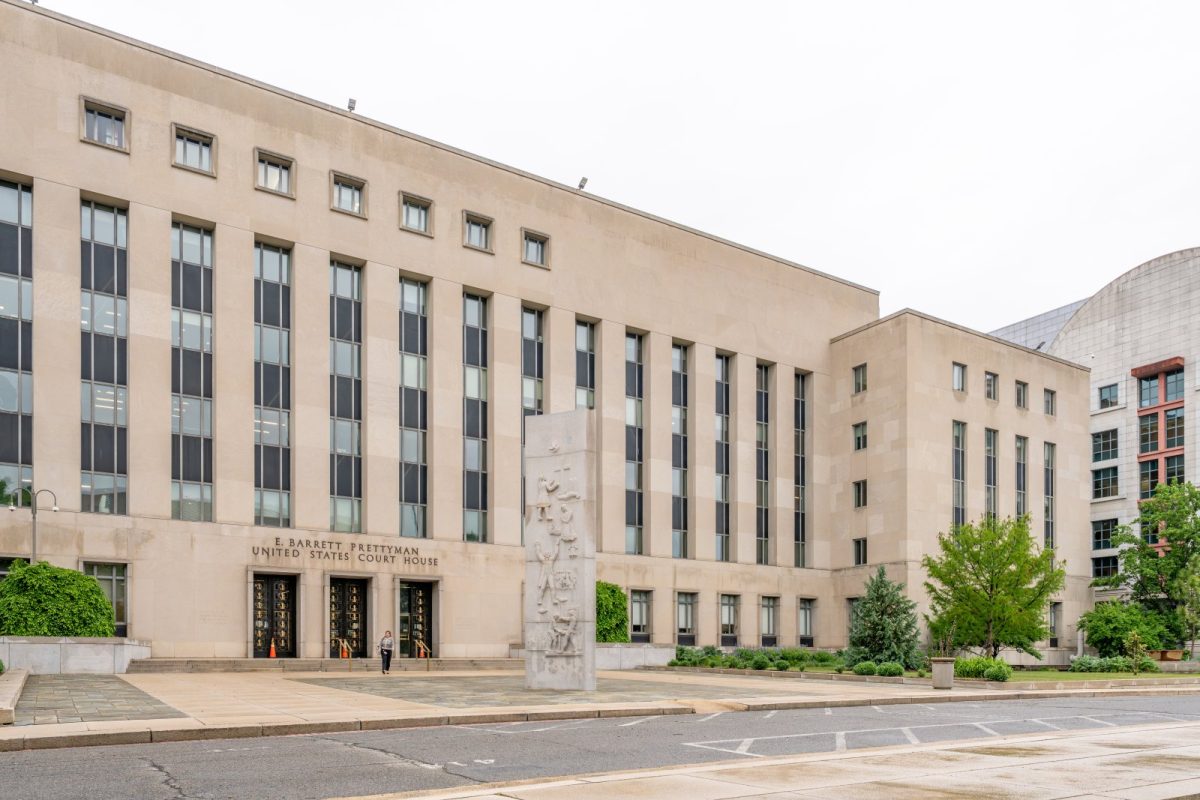
A three-judge panel of the U.S. Court of Appeals for the D.C. Circuit denied a request on September 9 to stay the reclassification of medical cannabis in the United States. The panel concluded that the petitioners failed to meet the “stringent requirements” necessary to halt a rule while it is under review, though it did not specify which requirements were unmet. Consequently, the order remains in effect.
What changed in April
On April 22, Attorney General Todd Blanche signed an order moving two specific categories from Schedule I to Schedule III: cannabis medications approved by the Food and Drug Administration (FDA) and cannabis subject to a state medical license. The rule went into effect on April 28 upon its publication in the Federal Register. All cannabis falling outside those two categories remains in Schedule I, pending a separate DEA procedure currently evaluating a broader reclassification. Schedule III does not equate to federal legalization, but it acknowledges accepted medical use, eases the hurdles hindering clinical research, and changes the tax treatment for companies in the sector.
Who is challenging it and why
The stay was requested by the National Drug and Alcohol Screening Association and three related companies: MMJ International Holdings, MMJ BioPharma Cultivation, and MMJ Biopharma Labs. Their argument is that Blanche could not rely on provisions of the Controlled Substances Act regarding international treaties to reclassify substances immediately, thereby bypassing the standard administrative procedure; the Department of Justice argues the opposite. The litigation is consolidated with other appeals, including those from Smart Approaches to Marijuana, the states of Nebraska and Indiana, and New Directions Addiction Recovery Services; Louisiana initially joined but later withdrew. The court also denied the request of two state-licensed operators, MedPharm Iowa (operating as Bud & Mary’s) and Tri-Mountain Pure, to intervene as parties, though it allowed them to participate as amici curiae and ordered all parties to coordinate their filings regarding the merits of the case.
What it implies
The ruling does not decide whether the order will survive; it only prevents it from being frozen while litigation proceeds, a process that could take months. For those following drug policy from outside the United States, the interesting detail is the methodology. The debate is not about whether cannabis has medical utility, but rather about who has the authority to decide and through what mechanism—the same terrain where access to other regulated substances is being contested. We recently reported on the FDA’s open consultation on drugs derived from plants and fungi. In the meantime, the actual status of cannabis in the United States continues to depend on individual states, a fact worth keeping in mind before making any assumptions. For background context, see our cannabis and cannabinoids guide.
Source
- Sue Dehnam. Court Leaves Blanche’s Schedule III Order in Place. mg Magazine, September 10, 2026.
Educational content written from a harm reduction perspective and with respect for individual freedom. It is not a substitute for advice from a healthcare professional and is not intended to encourage or condemn any drug use.

