

In brief
- Colorado’s HB26-1325, signed on June 4, takes effect on August 12, 2026.
- The law creates a research pilot program for ibogaine across up to five centers and allows regulators to establish rules for its administration within the state’s natural medicine system.
- Anyone cultivating or administering ibogaine must agree to a benefit-sharing plan with Indigenous communities.
Colorado has taken a step that no other jurisdiction in the world has yet completed: preparing for regulated access to ibogaine outside of a strictly clinical circuit. The legislation that enables this, HB26-1325, was signed on June 4 and goes into effect on August 12.
What the law specifically authorizes
The text, titled simply Natural Medicine, tasks the state’s Behavioral Health Administration with launching an ibogaine research pilot program across a maximum of five locations. These centers may be funded by donations and public funds, and the state agency will be responsible for selecting and supervising them, as well as helping them align with the federal Investigational New Drug (IND) procedures required by the U.S. Food and Drug Administration.
The most debated aspect is the latter: the law authorizes licensing authorities to draft specific rules for the administration of ibogaine and to set fees based on the substance. In other words, it lays the legal foundation for ibogaine to eventually be offered in the supervised centers that Colorado is already establishing for psilocybin, although that step still depends on a regulatory process that has not yet concluded. As of today, no licenses have been granted.
Benefit sharing and facilitator protections
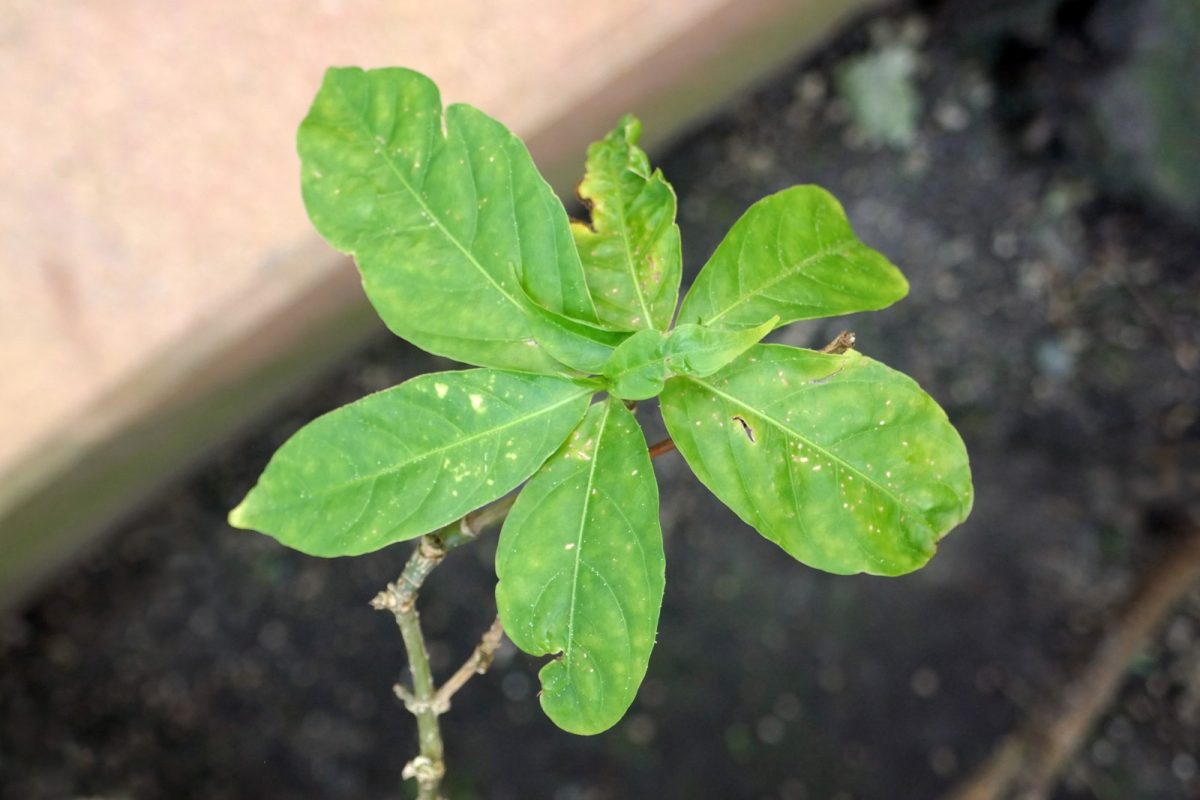
The regulation incorporates a condition rarely seen in substance legislation: any license holder who cultivates or administers ibogaine must present a benefit-sharing plan with Indigenous communities. Ibogaine is derived from Tabernanthe iboga, a Central African shrub linked to the Bwiti ritual practices of Gabon, and the international rise in its use has reignited the debate over resource extraction and the recognition of origin peoples. You can read more about the plant and its pharmacology in our guide on iboga and ibogaine.
The law also adjusts the experience requirements for the natural medicine advisory board and shields facilitators from liability claims, except in cases of intentional misconduct, gross negligence, or failure to meet standards of care.
What this implies
Colorado is positioning itself ahead of Texas, which is funding conventional clinical trials, because it is pursuing two paths simultaneously: regulated research and, eventually, supervised access. It is best not to get ahead of ourselves: the passage of a law does not equate to immediate availability. Development of regulations, the selection of centers, and coordination with the federal agency are still pending, and the pilot program’s own timeline suggests that the first data will take time to emerge.
Furthermore, the issue that conditions everything related to this substance remains: ibogaine alters cardiac conduction and can cause serious arrhythmias, which is why rigorous protocols require prior cardiological screening and continuous monitoring. Precisely for this reason, a framework with written rules, identifiable personnel, and a registry of results is preferable to the alternative used by thousands of people today: traveling to clinics without external oversight in countries where the substance is not regulated.
Source
- Colorado General Assembly. HB26-1325 “Natural Medicine”: legislative history and official summary. Colorado General Assembly, 2026.
Educational content written from a harm reduction perspective and with respect for individual freedom. It is not a substitute for advice from a healthcare professional and is not intended to encourage or condemn any drug use.


