

From Standard to We Are Standard: Expanding Ambitions
The band’s career launched in 2005 under their original moniker, Standard, winning the prestigious FIB festival emerging band competition. A year later arrived their debut, 3,000 Volts and 40,000 Watts (2006), an energetic effort that displayed promising raw drive without fully realizing their sonic vision. The subsequent evolution brought an altered name, a lineup streamlined from six to four musicians, and an eponymous second album, We Are Standard, released by independent Madrid label Mushroom Pillow.
Featuring nine concise tracks, an internationally oriented dance aesthetic, and an uninhibited embrace of pop hooks, the record marked a turning point. The addition of keyboardist Jon was praised by the band as the catalyst that elevated their melodic craftsmanship and rhythmic tightness. The transformation was aesthetic as much as philosophical.
London as School: Andy Gill and Unapologetic Pop
Tracking the album demanded nearly eight months of intensive studio work divided between London, Madrid, and the Basque Country. It was produced by guitarist Andy Gill, founding member of legendary post-punk pioneers Gang of Four, and mastered by Simon Davey at London’s The Exchange mastering suites, whose credits included Chromeo, Amy Winehouse, and Scissor Sisters.
Beyond technical polish, the musicians described London as an artistic liberation. Immersing themselves in the city of The Beatles and The Clash helped them shed an indie dogma that equated dark, abrasive dissonance with authenticity while dismissing catchy pop craftsmanship. Andy Gill played a decisive role in encouraging them to experiment without aesthetic self-censorship, dismantling traditional genre hierarchies.
Arthur Baker and the Remix of “The Last Time”
A standout milestone for the record was an official remix of “The Last Time” produced by electro pioneer Arthur Baker—celebrated for foundational club work with New Order and Afrika Bambaataa alongside projects with Bruce Springsteen and Bob Dylan. The band recounted the collaboration with delight: initiated through a mutual acquaintance, Baker completed the dynamic dub remix in mere days, providing a serendipitous stamp of international club credibility.
Live Energy and Life on the Road
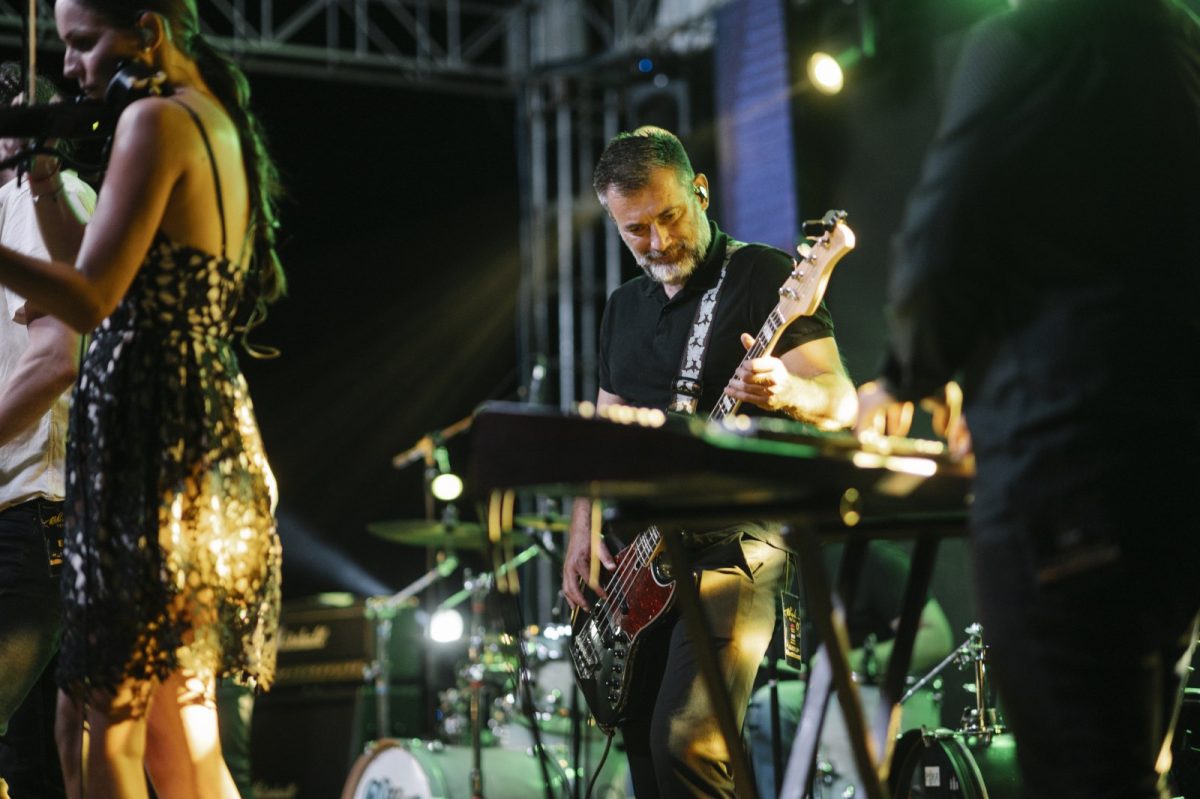
Above all, the quartet defined themselves as a high-octane live act, scheduling extensive tours across independent venues and international summer festivals. Creating an ecstatic communal dance party with live audiences served as the primary emotional fuel of the group’s project.
Cannabis and Creative Composition
When questioned regarding the role of cannabis in their artistic routine, the musicians offered a playful response: “husband and wife, completely inseparable.” Such rhetoric aligned smoothly with the specialized countercultural magazine where the interview originally appeared, echoing popular romantic tropes linking psychoactive substances to musical genius. It warrants critical evaluation.
Cognitive neuroscience provides scant empirical evidence that cannabis objectively enhances artistic creativity. Available psychological research demonstrates instead that THC primarily alters subjective self-evaluation: under its influence, a creator may feel that ideas are exceptionally brilliant without external metrics confirming enhanced quality. Furthermore, acute intoxication impairs working memory, motor timing, and executive concentration—the precise faculties required for disciplined arrangement and production. In heavy adolescent consumption, cognitive and psychological risks are well documented.
In short: the association between popular music and cannabis reflects cultural narrative and scene branding rather than a verified chemical catalyst for superior art. Acknowledging this reality does not diminish musical enjoyment; it prevents mistaking countercultural marketing for scientific truth.
Critical Appraisal
- Original context. The interview originated in a cannabis culture magazine, explaining the celebratory tone regarding substance use. Archived here for educational evaluation, that stance requires objective scrutiny.
- The creative myth. Declaring cannabis and music “inseparable” is a rock-and-roll cliché rather than clinical fact. Artistic talent stems from disciplined practice and creative vision, not pharmacology.
- Harm reduction. Musicians combining cannabis with creative work should recognize that tolerance, psychological dependence, and attentional fatigue are real risks. This article is cultural history, never an encouragement to consume.


