

A market changing its lead actor
For decades, heroin and cocaine coexisted in the most marginalized circuits of drug use in Madrid like an almost inseparable pair: two complementary substances that sustained the same sales ecosystem. That union, described by author Eduardo Hidalgo as one of those alliances that seemed eternal, is currently going through its lowest point. The reason is simple to state and much harder to explain: in a large part of that market, heroin is no longer being sold.
This piece collects and reorganizes that field analysis to look at the phenomenon with some distance. It does not describe how to obtain anything, nor does it intend to guide any user: it is an attempt to understand, from the outside, what is happening in one of the city’s least visible corners and why.
Heroin evaporates from the center
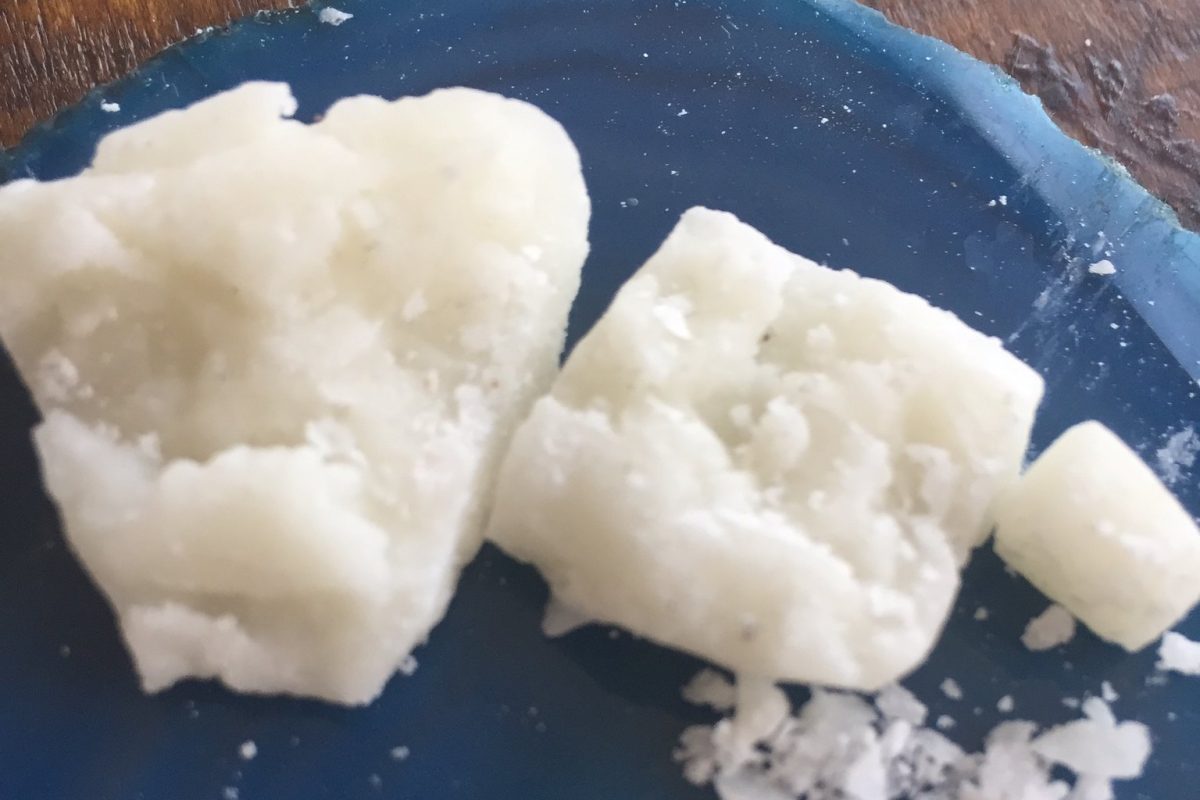
The first piece of data is geographical. In the downtown dealing areas—the surroundings of Gran Vía and its nearby streets—heroin (known as caballo in slang) has almost completely disappeared. The same dealers who sold it for years no longer offer it. Cocaine in its smokable form, base, has come to monopolize that territory, while unprocessed cocaine circulates sparingly and with inconsistent quality, almost always on the decline.
The second piece of data is peripheral. In the settlements—with the current epicenter in Cañada Real and smaller pockets in other locations—the star product is once again crack. Unprocessed cocaine and heroin still exist, but the latter often appears only mixed with coke, and in some points of sale, not even that. The picture is consistent at both extremes: base rules and heroin has become residual.
It is worth highlighting something that the original analysis insists on noting: we are not facing a simple lack of supply. Heroin remains available at the source. If dealers wanted to offer it, they could, just as they had been doing since at least the early nineties. The question, then, is not why they can’t, but why they no longer want to.
Two hypotheses on the table
The underlying causes are, almost certainly, much more complex than any simple explanation: reconfigurations of international drug trafficking, new alliances and competition between networks, ups and downs in production in major growing regions, and geopolitical factors that are difficult to track. With that caution in mind, the original analysis points to two hypotheses closer to the ground.
The first is reputational. Among consumers and dealers themselves, heroin carries a bad reputation today that it didn’t have as strongly before: it is associated with intense physical dependence and a worse experience than base. That change in perception deters part of the potential clientele, though not all: there are those who would take it if they could access it without traveling to the periphery.
The second is both pharmacological and economic. Heroin and cocaine have traditionally been used in combination because they smooth out each other’s edges. Base produces very brief effects followed by a sharp crash, which drives compulsive use: the session doesn’t end due to satiety, but when money, material, or physical endurance runs out. Heroin, on the other hand, has more prolonged effects and produces a point of satiety; in combination, it moderates the anxiety associated with cocaine and “closes” the session.
From this comes the most uncomfortable conclusion of the analysis. For a dealer whose only goal is short-term profitability, the client who combines both substances reaches their limit sooner and goes home earlier, spending less throughout the night—and probably the month—than the exclusive base consumer. In other words: selling only crack can be, coldly speaking, more lucrative than selling crack and heroin.
The settlements: different scale, same direction
The case of the large peripheral points of sale is different from street dealing. We are talking about clans established for decades, with a fixed clientele and a historical integration into heroin networks. And yet, the trend points in the same direction: there, too, base is queen, and there, too, are establishments that have chosen not to sell heroin or to do so only mixed with coke.
The explanation offered is again economic. The volume of heroin sales has always been lower than that of cocaine—it is bought in smaller quantities and less frequently at the same price—and its revenue has been dwindling over the years. A decisive factor was the expansion, since the mid-nineties, of methadone maintenance programs, which structurally reduced street demand. That drop has barely been offset by a new, minority profile: those who use heroin sporadically as a “closer” after a night of partying, someone very different from the classic consumer of previous decades.
Adding lower demand, falling income, and the ups and downs of international drug trafficking, the result is that, for the first time in a long time, there are networks that are doing without heroin or relegating it to mixtures. Not because someone is imposing it, but because, in business terms, it has stopped being worth it. The underlying logic is that of any market: no one stops selling something that is highly demanded and highly profitable. If heroin is being withdrawn, it is, to a large extent, because for many dealers it is no longer either of those things.
Critical reading from a harm reduction perspective
None of this means that the heroin market is going to disappear. What does seem clear is that its weight has been drastically reduced in the traditional spaces of Madrid’s drug trade. And that displacement has health consequences that deserve to be looked at honestly, even if they are uncomfortable.
From a harm reduction perspective, recommending the use of any drug would be absurd, and that is not what is being done here. But describing reality forces us to recognize a nuance: in a population already mired in social exclusion, the replacement of heroin with intensive and compulsive crack use does not bode well. Base, used according to those patterns, shares a good part of the harms of heroin and adds severe neurological wear, with greater exposure to psychiatric conditions—toxic psychosis, depression, anxiety disorders—that tend to worsen when there is no substance to modulate the overexcitement.
The reasonable conclusion is neither nostalgic nor apologetic. It is structural: when an illegal market changes its lead actor due to the pure logic of profit, those who pay the cost of that change are always the same: those at the bottom. And there, more than the debate about which substance is “less bad,” what is missing is real access to treatment, low-threshold programs, and care facilities that today arrive late, poorly, or not at all.


