
In brief
- On October 5, the U.S. Tenth Circuit Court of Appeals overturned an order that had halted Utah’s criminal proceedings against Bridger Jensen, founder of Singularism.
- The court ruled that the distinction between medical and religious use of psilocybin does not violate First Amendment religious freedom protections.
- Claims based on Utah’s state religious freedom law remain pending in the trial court.
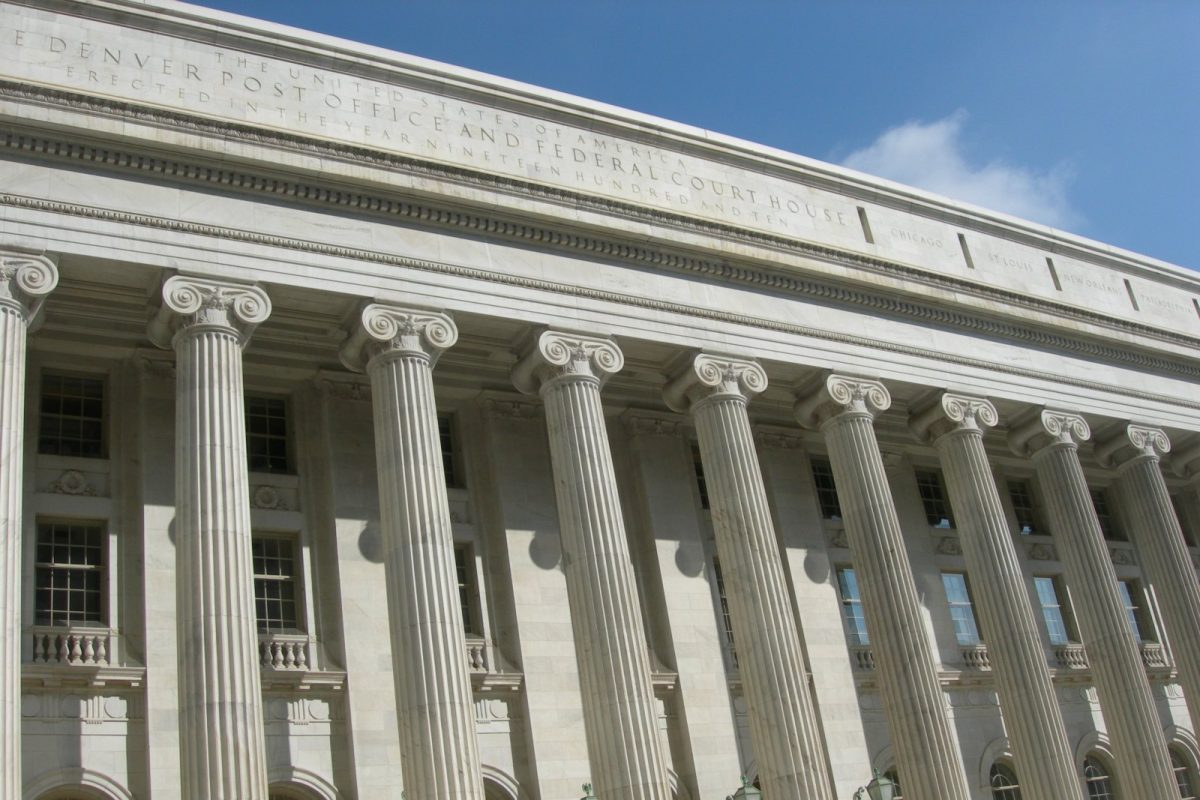
The Tenth Circuit has cleared the way for Utah to proceed with criminal charges against the founder of a Provo-based religious organization that uses psilocybin in its ceremonies. The ruling, issued on October 5, 2026, reverses a federal district court order that had previously paralyzed the proceedings.
A raid, a lawsuit, and a court order
Bridger Jensen founded Singularism, a spiritual organization based in Provo that employs psilocybin in its practices. In 2024, police deployed an undercover agent and subsequently raided the center, where they seized 450 grams (about 1 pound) of psilocybin. Jensen sued Utah County and the city of Provo, alleging a violation of his religious freedom. The state initiated criminal proceedings against him, and in 2025, federal judge Jill Parrish ruled in Jensen’s favor, prohibiting the case from moving forward.
What the court decided
Judge Robert Bacharach, writing for the court, posed two questions and answered “no” to both. The first was procedural: whether a federal court can block the criminal prosecution of a religious leader in state court. The Tenth Circuit concluded that it should have abstained under the Younger doctrine, which requires federal courts to avoid interfering in state proceedings when significant state interests are at stake. According to Courthouse News, Jensen alleged prosecutorial bad faith and irreparable harm, but failed to meet the required burden of proof.
The second question was substantive: whether it violates religious freedom for Utah to allow qualified medical systems to use psilocybin experimentally under a regulated framework while prohibiting it for religious purposes without medical supervision. The court maintained that medical exceptions are not comparable to the use practiced by Singularism. According to the ruling, cited by Courthouse News, legal and regulatory controls make secular use less likely to harm government interests than the religious use practiced by Singularism.
What remains open
The court did not address another key claim: Utah’s Religious Freedom Restoration Act, passed in 2024, which requires the government to justify any burden on religious practice through strict scrutiny. That matter returns to the trial court. Jensen’s case is the first to apply this statute. His attorney, Tanner Bean, told Courthouse News that the litigation continues on the ground he considers most important.
Implications
The ruling does not resolve whether the religious use of psilocybin might be protected under Utah’s state law; it only establishes that a federal judge should not have halted the criminal process and that the First Amendment does not require equating the two types of use. For general scientific and regulatory context, you can consult our guide on psychedelic science and therapy and the one dedicated to psilocybin and magic mushrooms.
Source
- Quinn Welsch / Courthouse News Service. 10th Circuit says court should not have blocked Utah psychedelic mushroom prosecution. Courthouse News, October 5, 2026.
Educational content written from a harm reduction perspective and with respect for individual freedom. It is not a substitute for advice from a healthcare professional and is not intended to encourage or condemn any drug use.