

Psiconáutica Editorial Team · November 15, 2026
In brief
- On 9 November 2026 the Scottish Government announced the opening in Glasgow of the country’s first local drug-checking service. According to The Pharmaceutical Journal, it had been due on 5 October and was postponed because of “operational and technical complexities”.
- Only people aged 18 or over who are dependent on one or more illegal drugs can use it, under UK Home Office licence criteria; it is not a service for recreational use.
- Samples are sent to a national laboratory at the University of Dundee, and results will feed into early warning systems. Aberdeen and Dundee will open services in the coming months.
Some five weeks after the planned date of 5 October, the Scottish Government announced on 9 November that the country’s first drug-checking service has opened its doors. Neither the release nor the coverage consulted gives the exact opening day. The service operates on Hunter Street, Glasgow, at the same site as The Thistle, the UK’s first official safer drug consumption facility. In October we reported that the opening had been postponed with no new date.
How it works
According to the official release, service users can hand in a sample of the drug they have and receive tailored harm-reduction advice on the substance, its strength and any contaminants. The service also offers conversations about health and wellbeing, treatment and recovery. Allan Casey, Glasgow’s city convener for homelessness and addiction services, said that a “very small” sample is enough to learn what is being used and what risks it carries.
Samples are sent to the national testing and research laboratory at the Leverhulme Research Centre for Forensic Science, University of Dundee, which carries out a more complete analysis. These data will feed into national early warning systems and the public health response to emerging substances.
Who can use it
Home Office licence criteria limit drug checking in Scotland to people aged 18 or over who are dependent on one or more illicit drugs. The Scottish Government makes clear that it is not a general testing service for recreational use. On our reading of those criteria, the service is not intended for, say, people who use occasionally at parties or festivals, although the release does not mention that case explicitly.
Context and next steps
According to the release, Aberdeen and Dundee will open services “in the coming months”, and Edinburgh is working towards its own site. The release adds that “those sites”, together with the national laboratory at the University of Dundee, will form a pilot backed by more than £1.7 million from the Scottish Government, which will be independently evaluated. Drugs Minister Maree Todd justified the service by pointing to an “increasingly unpredictable” illegal supply, including highly potent synthetic opioids such as nitazenes.
The Pharmaceutical Journal cites National Records of Scotland data published in September: drug deaths in Scotland rose by 11% in 2025, to 1,133. The same journal reports that The Thistle was used by 1,506 people in October 2026, with 1,141 injecting episodes recorded.
Limitations
The release does not state the exact day the service began operating, how long results take, which techniques are used on site, which body runs the service day to day or how many samples are expected. Nor does it specify exactly which services make up the pilot. There are no usage data yet: how many people will attend, what will be detected and whether the service will change behaviour or reduce harm is exactly what the announced evaluation will need to measure.
What it means
For harm reduction this is a meaningful step: knowing what a sample contains, and how strong it is, is one of the few ways to anticipate adulterants such as nitazenes before use. But the Scottish model is restrictive, and its usefulness will depend on easy access, timely results and information getting back to people who use drugs. To learn how drug checking works and what other tools exist, see our harm reduction and responsible use section.
Sources
- Scottish Government, 9 November 2026: “Scotland’s first drug-checking service opens”. Official news release.
- The Pharmaceutical Journal, 10 November 2026: “Scotland’s first drug-checking service opens in Glasgow with more sites to follow”. News coverage; source of the originally planned date and of the death and Thistle figures.
Image
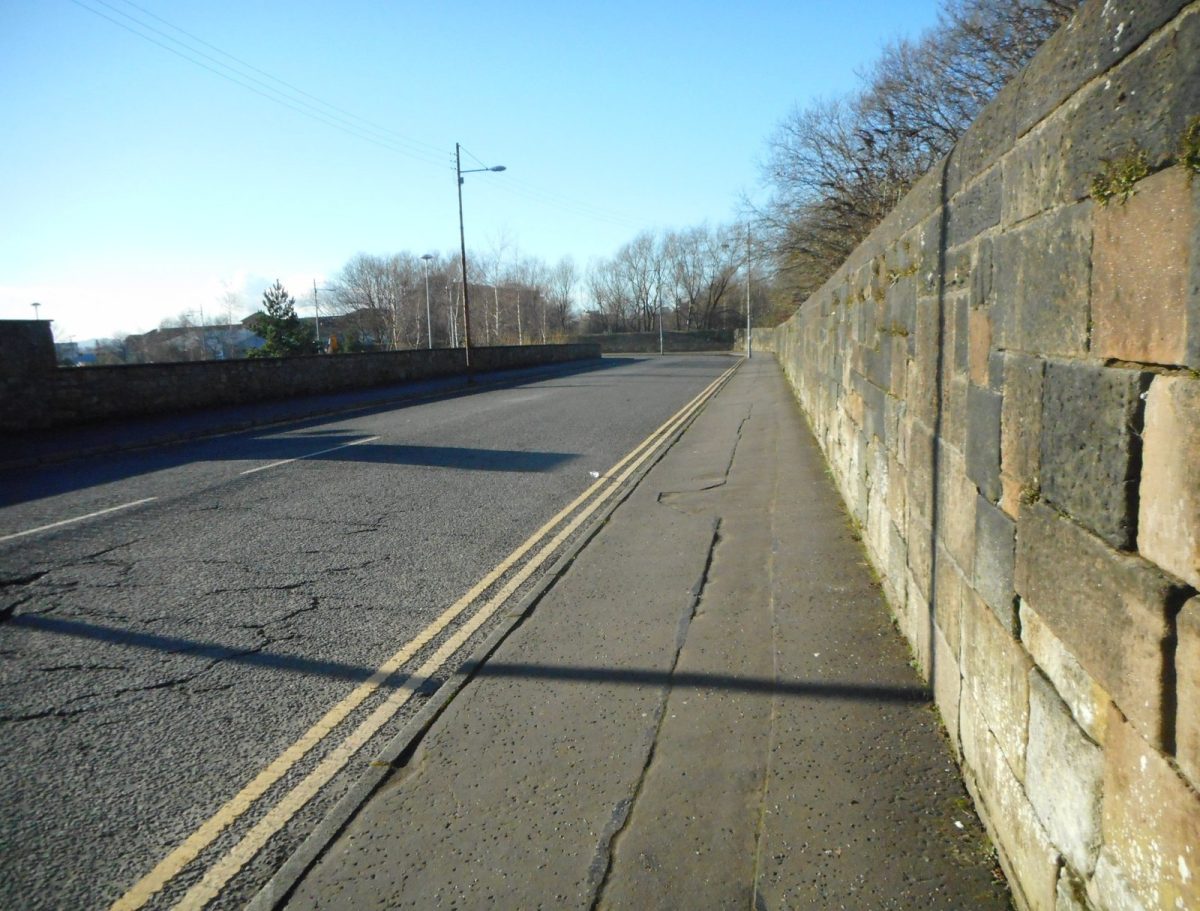
Illustrative image: Hunter Street, Glasgow, photographed on 2 February 2018, before the service existed; it does not show the facility. Photo: “Hunter Street” by Richard Sutcliffe (Geograph), via Wikimedia Commons, licensed under CC BY-SA 2.0.
Educational content written from a harm-reduction perspective and with respect for individual freedom. It does not replace information from a healthcare professional and does not aim to encourage or condemn any drug use.