

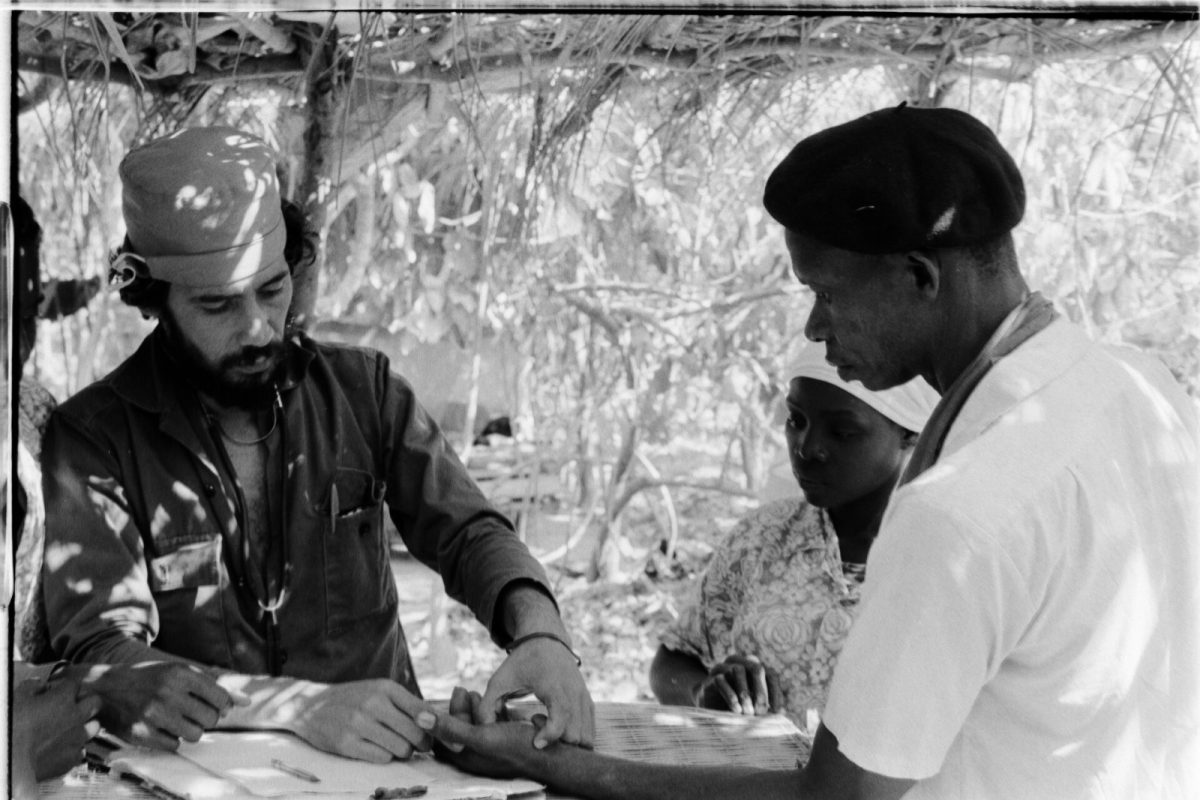
Fernando Caudevilla (DoctorX) reflects on the complexity of medical cannabis. He distinguishes between recreational and therapeutic use, warns against promises of miraculous cures, and argues that any association calling itself “therapeutic” must be held to high standards.
In brief
- Clearly distinguish between the recreational use of cannabis and its clinical application for therapeutic purposes.
- Any association that calls itself “therapeutic” must be under the mandatory supervision of licensed healthcare professionals.
- Information about cannabinoids is frequently manipulated; it is vital to contrast myths (such as curing cancer) with real scientific data.
- Cannabis has validated indications (chemotherapy-induced nausea, neuropathic pain), but its efficacy varies depending on the pathology and the patient.
- Associations must guarantee quality standards for their products and strictly protect the confidentiality of clinical data.
Between moral ideology and scientific evidence
The debate over medical cannabis is often trapped between two extremes that hinder informed decision-making for the patient. On one hand, there is a rigorous prohibitionist stance, driven by strict moral principles that prioritize the abstraction of individual suffering over the fulfillment of ideological dogmas. This view tends to systematically deny or minimize any therapeutic potential of cannabinoids. At the other extreme, there is a pro-cannabis sector that, while starting with good intentions, falls into misinformation and excessive enthusiasm. In this environment, exaggerated claims are promoted that attribute universal healing properties to cannabis, ranging from minor ailments to complex conditions, without any scientific basis. This lack of objectivity creates dangerous confusion for those seeking real help. As a healthcare professional, my job is not to prescribe substances or promote indiscriminate use, but to offer rigorous information based on available evidence. The goal is to empower the patient with clear knowledge about the real indications of cannabis, its limitations, and the associated risks, allowing them to make informed decisions for their health.
The reality of therapeutic indications
It is essential to clarify which pathologies can truly benefit from the use of cannabinoids. Current scientific evidence supports the use of cannabis in specific situations, such as the control of nausea and vomiting induced by chemotherapy (particularly with 5-HT3 receptors), the management of chronic neuropathic pain, or certain motor symptoms associated with multiple sclerosis. However, not all conditions respond the same way. In cases such as fibromyalgia or some autoimmune diseases, the data is more heterogeneous and requires an individualized assessment of each patient to decide if the benefit-risk balance is favorable. Conversely, there are situations where cannabis is not only ineffective but contraindicated, such as in certain psychiatric disorders or when false hopes of oncological cures are promoted.
The myth of the miracle oil
One of the most illustrative examples of misinformation is the case of the so-called “Rick Simpson oil.” This is a narrative that promises the total elimination of cancer by abandoning conventional oncology in favor of a homemade preparation. This idea lacks scientific support and has, unfortunately, created risky situations for vulnerable patients who have abandoned effective treatments to follow unverified advice. The proliferation of these types of myths on social media demonstrates the urgent need for scientific literacy. The emails or calls received after debunking these fallacies usually contain more threats and insults than constructive arguments, which underscores the polarization of the public debate on drugs and health.
The therapeutic cannabis association model
Practical experience with entities such as the La Flora Cannabis Research Association has allowed for the development of clear protocols for medical advice in this field. The goal was to define strict criteria for considering a patient “therapeutic” and to establish professional guidelines. Currently, more than sixty patients have accessed follow-up services that integrate clinical evaluation, selection of appropriate varieties, and monitoring of side effects. This model serves as a reference for what an association truly committed to patient well-being should be.
Challenges in collaborating with associations
Upon contacting various entities nationwide, an enormous diversity of approaches and resources has been observed. While some seek only medical certificates to justify access for all their members without clinical distinction, others lack the budget to hire healthcare professionals. It is evident that not all associations need medical intervention; those focused on defending the right to grow or on cultural activities can function without it. However, when an entity calls itself “therapeutic,” it is imperative that it meets higher standards: properly analyzed and dosed products, patient records protected under the Data Protection Act, and exclusive advice from licensed physicians.
The legislative loophole
Currently, Spanish legislation meticulously regulates what requirements a product must meet to be called “yogurt” or how an architectural study must be structured, but it does not establish clear definitions regarding the functions and limits of a cannabis association. This regulatory absence allows many large entities, with impeccable infrastructure and thousands of members, to operate under the “therapeutic” label without the necessary medical backing. In official meetings of anti-drug prosecutors, it has been explicitly pointed out that therapeutic use requires professional intervention. Sharing this opinion may be uncomfortable, but it is an undeniable truth: associations must align their practices with clinical reality and not just with marketing strategies or ideology.
Toward a protective legal framework
The cannabis movement has elevated therapeutic use to one of its main banners, which is understandable given the situation of patients fighting chronic diseases. However, conceptually separating recreational use from medicinal use is crucial to advancing regulation. If cannabis were to lose its status as a recreational drug and be consolidated as medicine, it would be managed by the Spanish Agency of Medicines and Medical Devices, subject to strict pharmaceutical regulations and exclusive dispensing by medical prescription. This current duality allows associations to act as a bridge for people trapped between a serious illness and legislative restrictions based on obsolete moral principles. It would be highly convenient to create a specific legal framework that protects these entities, ensuring that the term “therapeutic” has a real meaning and is not used as a mere commercial label. Only then can it be guaranteed that patients receive truthful information, safe products, and adequate care without falling into ideological traps or false promises of health.


