

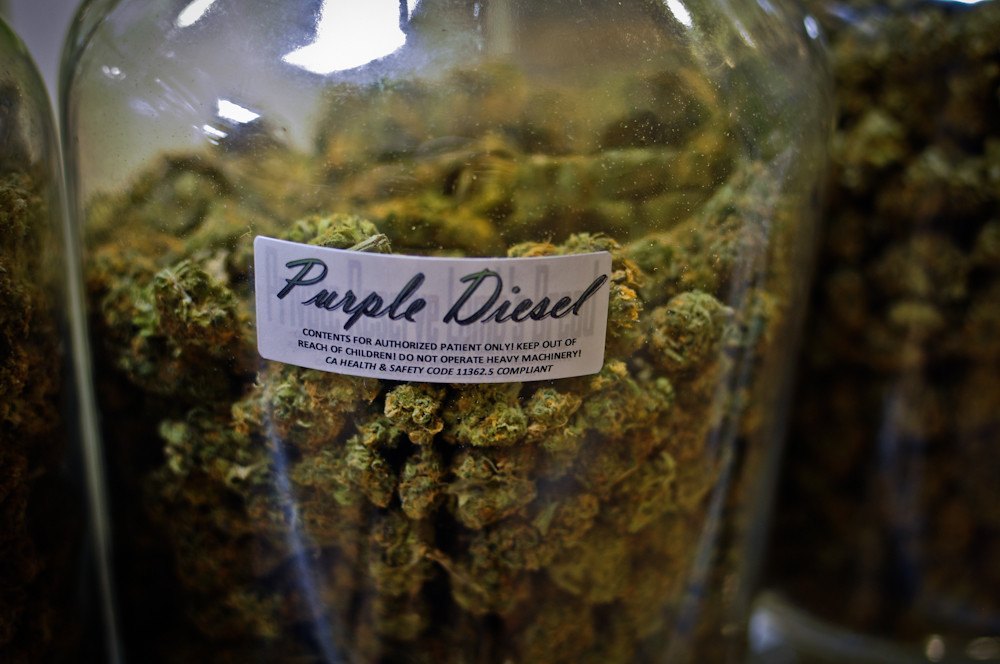
The distinction between recreational and therapeutic use demands scientific rigor and professional medical supervision. This article explores real-world criteria, the limitations of generic lists, and the importance of prioritizing patient health over mere access.
In brief
- Self-identifying as a “therapeutic user” without medical supervision lacks rigor and puts patient health at risk.
- Not all conditions listed online require cannabis; many have more effective or safer conventional treatments.
- Qualified medical judgment is essential to evaluate individual interactions, dosages, and contraindications.
- Associations must balance their social work with the requirement for strict health protocols.
The complexity of defining the “therapeutic user”
Within the ecosystem of Cannabis Social Clubs, a delicate question frequently arises: the classification of a member as a therapeutic user. Many collectives aspire to a dual function—supplying recreational needs while attending to health demands. However, the line between these two realities is thin and, if not precisely defined, can lead to dangerous confusion.
It is undeniable that some entities play a valuable social role, offering rigorous information to patients whose questions often go unanswered by conventional medicine. These organizations usually take great care to select appropriate varieties and subject their products to chemical analysis to ensure the cannabinoid profile. Nevertheless, groups that instrumentalize the term “therapeutic” as a marketing strategy or image-laundering tactic, while ignoring basic safety requirements, are also proliferating.
Currently, any collective can define itself with this label without meeting specific standards. This laxity is problematic, especially when discounts or financial accommodations are offered based on a condition that has not been properly verified.
Medical criteria: Recommendation or requirement?
Analyzing emerging regulatory proposals from various administrations and federations, the importance of establishing clear minimum conditions stands out. A reference document suggests that to be considered a therapeutic member, one must present documentation certifying a disease susceptible to cannabis treatment, issued by official healthcare professionals.
Furthermore, the need for a physician capable of providing guidance on dosage and follow-up is emphasized. Here, a necessary constructive criticism arises: the generic mention of “health professionals” is insufficient and potentially dangerous. A podiatrist, optometrist, or speech therapist is not qualified to prescribe cannabinoids or manage complex systemic pathologies. It is imperative to require the intervention of a licensed physician with experience in cannabis pharmacology.
Why is this requirement so crucial? Because cannabis is not an innocuous substance. Its interaction with other drugs, its cardiovascular or neurological impact, and potential contraindications require an exhaustive clinical evaluation. Delegating this responsibility to any healthcare professional without the appropriate specialization exposes the patient to unnecessary risks.
The danger of indiscriminate financial benefits
Another controversial aspect is the policy of pricing and discounts for therapeutic users. Although it is understandable to seek to help people with limited resources, excessive benevolence opens the door to abuse. At times, individuals motivated by financial needs forge their “therapeutic” status to access undue benefits.
An anecdotal case illustrates this reality: a patient who presented reports from private coastal clinics requested to be classified as therapeutic to pay less. When the classification was denied based on objective criteria, she showed great annoyance. This type of situation suggests that associations with overly permissive policies may be facilitating access to people who do not meet real clinical requirements.
The trap of generic lists
Lists of diseases where cannabis has shown utility are frequently proposed, such as those from the International Association for Cannabinoid Medicines (IACM). However, their indiscriminate use is a serious error. These websites are for educational purposes and do not constitute technical consensus for clinical evaluation.
They often mix solid indications—such as the control of chemotherapy-induced nausea—with nonspecific symptoms like “pain” or “itching,” or conditions where cannabis could be contraindicated, such as certain cases of asthma. Furthermore, in modern medicine, there is rarely a single effective treatment for every person suffering from the same pathology.
For example, diabetes has multiple approaches: diet, oral medications, or insulin. Similarly, cannabis may be useful for some people with fibromyalgia but not for others due to metabolic or psychological differences. Assuming that because a disease appears on a list, it should automatically be treated with cannabis is simplistic and dangerous.
Scientific evidence: What do we really know?
Scientific evidence varies enormously depending on the pathology. There are conditions for which robust clinical trials support the use of synthetic cannabinoids or standardized extracts, such as multiple sclerosis (spasticity), AIDS-associated wasting syndrome, or neuropathic pain.
In other cases, the evidence comes from small case series or basic studies that suggest potential efficacy, such as in autoimmune diseases or movement disorders. Conversely, for pathologies like glaucoma, although often mentioned in therapeutic lists, cannabis is not the treatment of choice compared to conventional eye drops, except in very specific circumstances.
Conclusion: Science over ideology
Therapeutic cannabis is, above all, a scientific issue. Associations must strive to professionalize their protocols and prioritize patient health over recreational or political activism. We must not allow authorities to confine access exclusively to regulated channels if it means sacrificing the quality of care.
The true demand should focus on ensuring that those seeking real help receive competent medical guidance, analyzed products, and a safe environment. Only then can we move toward an ethical, effective, and responsible model of therapeutic cannabis, where science guides decisions rather than opportunism or a lack of judgment.
Let us always remember that behind every patient is a person with unique needs, a complex clinical history, and fundamental rights to health. Prudence and rigor are our best allies on this path.


