

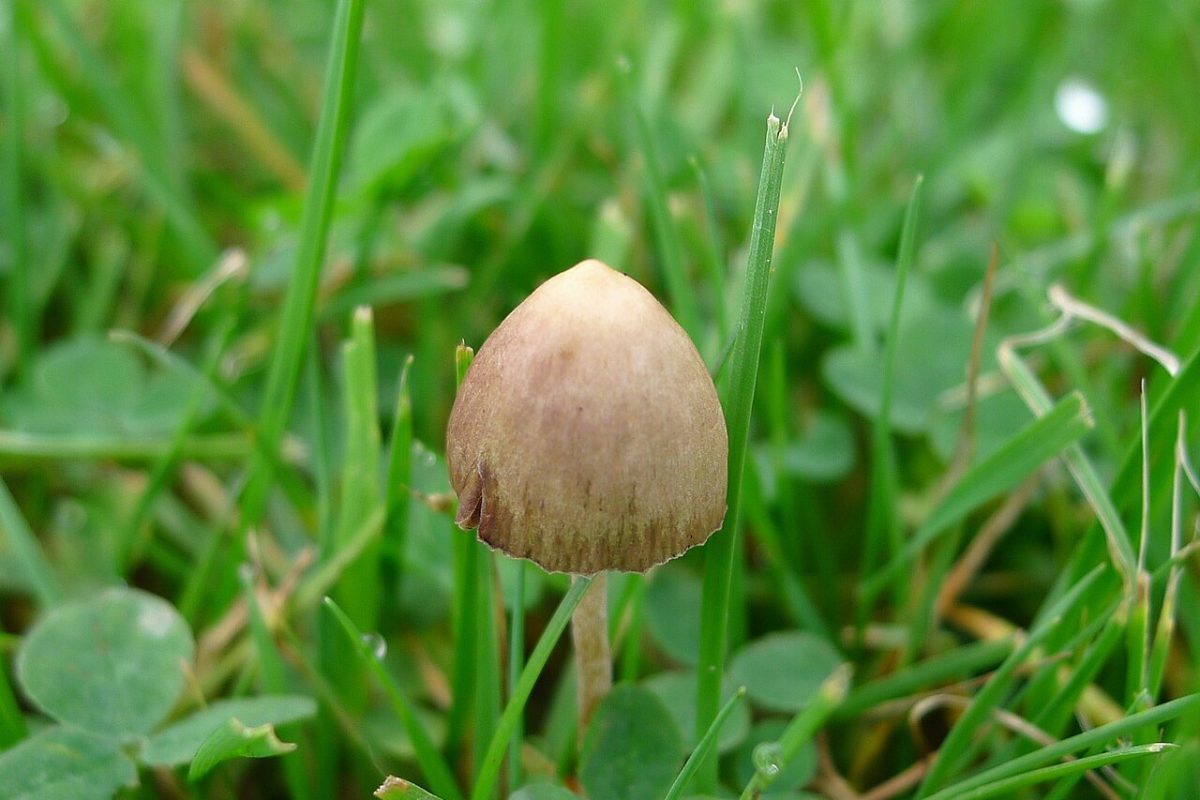
The debate surrounding the therapeutic use of psilocybin mushrooms has gained fresh momentum following public statements from prominent neuroscience researchers. At the heart of this controversy lies psilocybin, the active compound found in certain mushroom species that has remained subject to strict legal controls for decades. Recently, figures such as David Nutt have highlighted the significant hurdles involved in conducting the clinical trials required to confirm its efficacy in treating severe psychiatric conditions, particularly treatment-resistant depression.
In brief
- Administrative barriers: The prohibitive cost of clinical trials stems from European pharmaceutical manufacturing regulations rather than the substance’s legal scheduling alone.
- Neuroimaging discrepancies: Recent functional MRI studies show patterns of brain activation that diverge from earlier PET scan findings.
- Route of administration: Differences between oral and intravenous delivery may explain conflicting neuroimaging results.
- Clinical outlook: Upcoming European regulatory updates are expected to facilitate independent research without compromising patient safety.
The Scientific Context and the Role of Researchers
Psilocybin’s recent history in Europe rests on a solid foundation of scientific inquiry. Well before David Nutt, then president of the British Neuroscience Association, spearheaded his clinical studies, other teams had already begun exploring the compound’s neural mechanisms. Dr. Franz Vollenweider’s team in Switzerland and Dr. Euphrosyne Gouzoulis-Mayfrank’s group in Germany utilized Positron Emission Tomography (PET) to observe how psilocybin affects the living brain.
These investigations consistently revealed prefrontal hyperactivation. The prefrontal cortex, located behind the forehead and recognized as the most evolutionarily advanced region of the human brain, orchestrates executive functions such as decision-making, planning, and the integration of subjective experience with objective reality. Notably, studies on mescaline and ayahuasca demonstrated comparable activation patterns in this same area.
However, the research group led by David Nutt, with Robin Carhart-Harris as lead investigator, produced data that surprised the wider scientific community. Using functional magnetic resonance imaging (fMRI)—a technique offering higher spatial resolution than PET—they observed the exact opposite: widespread deactivation across frontal brain regions following compound administration.
Untangling Discrepant Findings
Why would two advanced neuroimaging techniques produce diametrically opposed results? Scientists have proposed several hypotheses to resolve this apparent paradox. One explanation lies in the imaging modality itself: fMRI provides superior spatial precision in mapping which brain regions activate or deactivate during a given state.
Yet a far more decisive factor may be the route of administration. While earlier PET studies administered psilocybin orally, Nutt’s team delivered it via intravenous injection. The pharmacokinetics differ drastically; rate of absorption and cerebral blood flow respond quite differently depending on how a compound enters the body. Furthermore, the fMRI environment is notoriously demanding, requiring subjects to remain entirely motionless while enduring loud, rhythmic acoustic noise that can itself alter neural responses.
To resolve these questions, further comparative research is needed, particularly trials administering psilocybin orally inside an fMRI scanner. Such work will clarify whether the observed divergences stem from imaging methodology or drug pharmacokinetics.
Cost Myths vs. Regulatory Reality
A recurring complaint in media coverage has been the exorbitant price tag attached to sourcing clinical-grade psilocybin for research, occasionally cited at figures as high as 118,000 euros. However, it is essential to distinguish between drug scheduling laws and the European pharmaceutical directives enacted in 2004.
These health directives require any investigational medicinal product administered to patients in therapeutic clinical trials to comply with Good Manufacturing Practice (GMP) standards. Designed to safeguard patient health, GMP ensures that compounds are synthesized and packaged under rigorous quality controls. While this compliance elevates production costs and creates high barriers to entry relative to major pharmaceutical companies, it has nothing to do with psilocybin’s classification on international controlled substance schedules.
In several European nations, academic researchers have successfully obtained exemptions from certain GMP requirements for basic science research or studies involving healthy volunteers. The current friction stems largely from internal bureaucracy within specific member states that have yet to implement these European regulatory exemptions smoothly.
Harm Reduction and Critical Reading
A balanced, evidence-based perspective is essential when approaching these breakthroughs. Psilocybin is a potent psychoactive compound with profound effects on human consciousness; its therapeutic application must always take place under trained clinical supervision. Discussing these trials is not an endorsement of unsupervised consumption, nor does it suggest self-medication protocols.
Current clinical research focuses strictly on unraveling neurobiological mechanisms and establishing clinical efficacy for conditions like treatment-resistant depression. These studies remain experimental and do not represent a guaranteed cure. Scientific prudence is paramount: findings documented in animal models or tightly controlled healthy cohorts do not automatically translate into positive outcomes for patients with complex clinical conditions.
Furthermore, the distinction between a chemical substance in preclinical research and an approved pharmaceutical drug is critical. While exploring the basic properties of a molecule does not mandate full GMP certification, the moment a compound is administered to treat a patient, safety and regulatory thresholds rise dramatically.
Toward a More Accessible Future
Psilocybin research in Europe stands on a strong scientific foundation, even if significant logistical challenges remain. As regulatory frameworks adapt to the realities of non-commercial academic research, unnecessary administrative obstacles should gradually diminish.
The work of groups like Nutt’s team not only deepens our understanding of psilocybin neurobiology, but also shines a much-needed light on pharmaceutical regulation. The next phase of clinical trials promises to deliver clearer answers about whether and how this compound might transform mental health treatment, grounded in rigorous ethical and scientific standards.
At Psiconáutica.org, we follow these developments closely. The science behind psychedelic compounds is as nuanced as it is compelling, and staying informed helps us engage thoughtfully with the evolving therapeutic landscape.


