

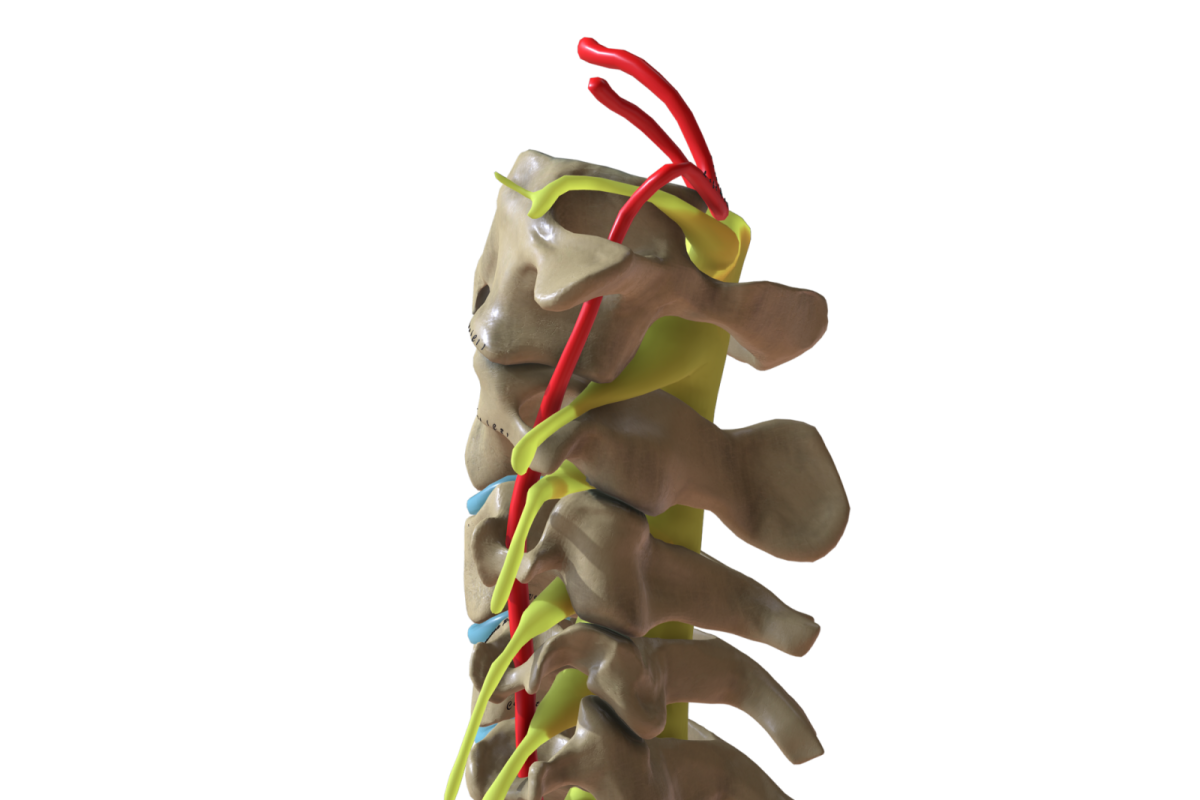
In the vast landscape of rare neurological diseases, some conditions defy conventional medical understanding due to their low prevalence and complex pathophysiology. Among them is stiff-person syndrome, a condition characterized by painful, fluctuating, and progressive muscle rigidity that affects the body’s axis without the typical spinal cord or brain abnormalities seen in similar pathologies. Two years ago, a neurologist diagnosed a patient with this condition who, after trying various treatments with limited results, began considering medical cannabis as a therapeutic alternative. This article addresses the nature of this disease, its link to the immune system, and the potential role of cannabis in symptomatic management from a scientific and critical perspective, always within a framework of caution and evidence.
In brief
- Clinical rarity: With fewer than 300 documented cases worldwide since its description in 1956, it is an exceptional pathology.
- Autoimmune mechanism: Evidence suggests the immune system attacks its own structures, with anti-GAD antibodies often detected.
- Rigidity without direct structural damage: Unlike other neurodegenerative diseases, there is no classic neuronal degeneration in the initial phase.
- Role of cannabis: It is being studied as an adjuvant to reduce spasticity and pain, never as a miracle cure.
- Associated risks: Serious complications such as pathological fractures or respiratory distress require constant monitoring.
Pathophysiology of an inexplicable rigidity
Stiff-person syndrome, also known in older medical literature as “stiff-man syndrome,” was first described in 1956. Its clinical definition centers on the presence of muscle rigidity primarily affecting the muscles of the trunk and the upper and lower extremities. This rigidity is not static; it fluctuates over time and tends to progress, causing significant pain.
The most distinctive feature of this pathology is its apparent dissociation between altered motor function and the structural integrity of the central nervous system. Unlike diseases such as multiple sclerosis or Parkinson’s disease, where clear lesions are observed in the brain or spinal cord via MRI, images in this syndrome are usually normal. The rigidity is objectively identified through neurophysiological tests, specifically electromyography (EMG). These tests detect continuous, abnormal electrical activity in the affected muscles, accompanied by spontaneous fasciculations and fibrillations.
From a clinical standpoint, this implies that patients suffer from extreme muscle tension without the presence of visible, massive neuronal damage. This peculiarity has sparked debate over whether it is a primary muscle disorder or a secondary response to systemic immunological factors.
The autoimmune hypothesis and anti-GAD antibodies
Currently, most experts place stiff-person syndrome within the spectrum of autoimmune diseases. In these types of pathologies, the immune system, designed to defend the body against infections, loses its ability to discriminate and attacks its own structures.
The most relevant biological marker in these patients is the presence of antibodies called “glutamic acid decarboxylase” (anti-GAD). These antibodies target an enzyme present in neurons and muscle cells. Their detection suggests that the inflammatory process underlying the muscle rigidity is mediated by these autoantibodies. It is important to note that anti-GAD antibodies are not exclusive to this disease; they have also been linked to other autoimmune conditions such as type 1 diabetes, myasthenia gravis, and vitiligo.
This connection suggests a possible shared genetic or immunological relationship between these diseases. However, the presence of anti-GAD antibodies does not automatically guarantee a diagnosis of stiff-person syndrome; the characteristic clinical symptoms must coexist, and other causes must be excluded.
Variable prognosis and serious complications
One of the most challenging aspects of managing this disease is its unpredictability. There are no reliable indicators to predict the speed of progression or the final severity of the clinical picture. In some patients, symptoms may be mild and fluctuating, allowing for a relatively functional life. In other cases, however, the evolution leads to severe, progressive disability.
Associated complications can be devastating. Extreme rigidity can lead to pathological fractures (bone breaks from normal mechanical stress), spontaneous muscle tears, and critical difficulties in performing basic activities like eating or breathing. Furthermore, the disease is frequently associated with psychiatric conditions, primarily anxiety and depression. The scientific literature debates whether these mood disorders are intrinsic symptoms of the neurological pathology or secondary consequences derived from chronic physical suffering and the functional limitations imposed by the rigidity.
Medical cannabis in symptomatic management
Faced with conventional treatments that have shown limited efficacy, some patients and physicians are exploring the use of medical cannabis as a complementary strategy. It is crucial to establish from the outset: there is no robust clinical data demonstrating the ability of cannabis to cure stiff-person syndrome or eliminate anti-GAD antibodies.
However, there is sufficient evidence in other pathologies involving spasticity (such as multiple sclerosis or spinal cord injuries) to suggest that cannabinoids may offer symptomatic relief. The proposed mechanism involves the modulation of the body’s own endocannabinoid system, which regulates functions such as pain, inflammation, and nerve transmission.
In the context of this rare disease, the goal of using cannabis is not curative, but palliative. The aim is to reduce the perception of pain associated with rigidity, decrease the frequency of involuntary muscle contractions, and improve overall quality of life. Current evidence is insufficient to establish standardized doses or specific protocols for this specific syndrome.
Harm reduction and essential precautions
Any decision regarding the use of medical cannabis must be made under strict medical supervision, integrating a harm reduction strategy. Patients with severe muscle rigidity are particularly vulnerable to falls and fractures; therefore, any change in medication that could affect balance or motor coordination requires careful monitoring.
Additionally, cannabis can interact with other drugs used to treat psychiatric (depression, anxiety) or autoimmune comorbidities. It is essential to conduct a thorough review of current medication before introducing new cannabinoid compounds.
The route of administration is also a critical factor in harm reduction. The use of inhaled products can be problematic for patients with respiratory distress, which is complicated by thoracic rigidity. In these cases, oral or sublingual formulations are usually preferred to avoid additional stress on the respiratory system.
Conclusion: Toward a comprehensive and conscious approach
Stiff-person syndrome represents one of the most complex challenges in the field of modern neurology. Its rarity, probable autoimmune origin, and uncertain prognosis demand an individualized and multidisciplinary approach. Medical cannabis can be positioned as a tool within the therapeutic arsenal, provided its role is understood as limited to symptomatic management.
Evidence-based medicine compels us to distinguish between grounded hope and unfounded promises. There are no pharmacological miracles; what does exist is the possibility of improving small aspects of daily life, such as sleeping better or reducing nighttime pain, through a prudent and scientific approach. For patients like those described in this article, every small relief counts, but it should never replace specialized medical follow-up or generate false expectations of a complete recovery.
At Psiconáutica.org, we understand the importance of approaching these therapies with rigor, awareness, and respect for the complexity of the human body. Research into rare diseases advances slowly, but each case provides valuable data that may benefit future patients.


