

In brief
- A drug checking service at a Sydney supervised injection site tested 77 samples over six months in 2024; 16 contained unexpected substances.
- The service was used by 65 people, representing 25% of the 256 clients who visited the center during that period.
- The study, published in the International Journal of Drug Policy, deems the service feasible and acceptable, though it notes limitations regarding sample size and self-reported intentions.
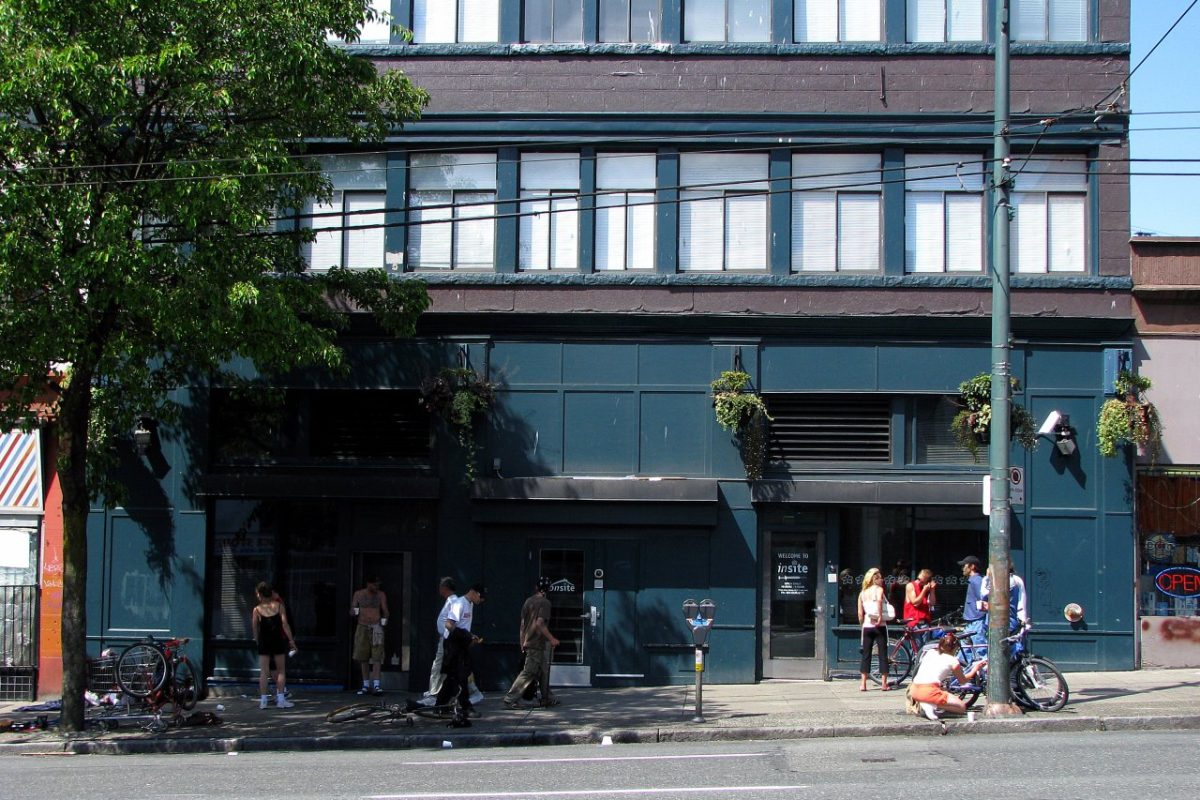
The Uniting Medically Supervised Injecting Centre (MSIC) in Sydney has released the results of the first drug checking service implemented within a supervised consumption site in Australia. Of the 77 samples analyzed, more than one in five had a composition different from what the user expected.
Methodology and Participation
The study combined several methods: it documented the regulatory steps required to launch the service, analyzed samples on-site, cross-referenced them with external confirmation tests, and surveyed participants. The project faced insurance-related delays before launching, after which it operated for six months in 2024.
During that time, 65 people used the service—74% male, with a median age of 45. They represent 25% of the 256 clients who visited the center while the service was active. Notably, 79% of the samples corresponded to batches from which the participant had already consumed a portion before testing.
What the Samples Revealed
In the on-site analysis, 61 of the 77 samples contained only the expected substance. Eleven contained the expected substance plus one or more others, and five contained only unexpected substances. According to Dr. Rob Page, an addiction medicine specialist and co-author of the paper, they detected phenacetin in drugs purchased as cocaine and bromazolam in what was intended to be Xanax.
The study notes a technical nuance: in seven samples, the on-site result did not match the external confirmation analysis. This serves as a reminder that field techniques provide an initial screening and are not a substitute for laboratory-grade testing.
Participant Response to Results
Following the analysis, participants reported that 24% of the samples were already consumed or empty. Regarding the remaining samples, two-thirds (68%) of participants stated they still intended to consume the substance, though five said they would use less, and six said they would carry naloxone. Additionally, 42% requested more information about treatment, and 20% were referred directly to support services. According to a statement from Uniting, 98% of participants expressed a desire to have their drugs tested during every visit.
Implications
The researchers note that while drug checking is well-documented at festivals, there is less data regarding people who inject drugs. This study provides evidence from a different environment, concluding that the service is both acceptable and trusted by this population. Dr. Marianne Jauncey, medical director of the MSIC, argues that the question is no longer whether these services work, but why they remain so scarce.
The findings should be viewed within their limitations: a single center, 65 participants, and a six-month window. Behavioral changes reflect self-reported intentions rather than observed actions, and the number of “surprising” samples depends on what users choose to test rather than a representative market sample. Regarding the local context, New South Wales recently announced permanent drug checking at festivals. For a broader overview, see our guide on harm reduction and responsible use.
Source
- Feasibility, acceptability, and impacts of a drug checking service within a supervised consumption site in Sydney, Australia. International Journal of Drug Policy, September 21, 2026. Supplementary data and statements: Uniting / Fair Treatment press release, September 23, 2026.
Educational content written from a harm reduction perspective and with respect for individual freedom. It is not a substitute for advice from a healthcare professional and is not intended to encourage or condemn any drug use.


