

In brief
- A phase 4, randomized, placebo-controlled trial published in JAMA Psychiatry in 2025 evaluated nasal esketamine alone (without an accompanying oral antidepressant) for treatment-resistant depression.
- Both doses (56 mg and 84 mg) led to statistically significant reductions in symptoms compared to placebo, with improvements emerging within 24 hours and sustained through day 28.
- The effects, while clear, are moderate in magnitude; transient dissociation, nausea, and dizziness occurred, and all sessions took place in a supervised clinical setting.
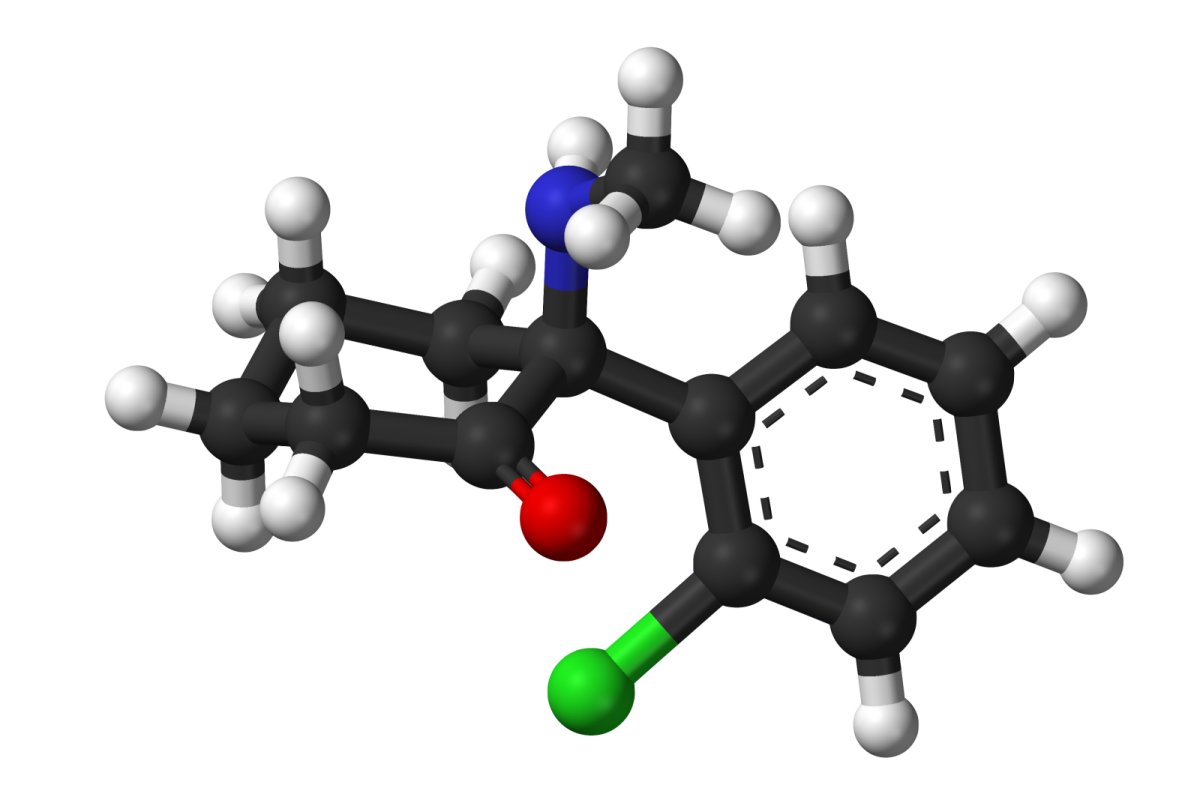
For years, intranasal esketamine was only ever studied alongside an oral antidepressant. A recent clinical trial took a different approach: testing it on its own. The result is that, as a monotherapy, it measurably and rapidly eases symptoms in depression that had failed to respond to previous interventions. It is a notable finding, but one that warrants measured analysis.
The study
The trial, led by Janik, Qiu, Lane, and colleagues, was published in JAMA Psychiatry in 2025. It was a phase 4, double-blind, randomized, placebo-controlled study conducted between November 2020 and January 2024 across 51 outpatient centers in the United States. A total of 378 adults with treatment-resistant depression participated—defined as individuals who had not responded adequately to two or more oral antidepressants during their current depressive episode. Following an antidepressant-free washout period of at least two weeks, participants were randomized (1:1:2) to receive nasal esketamine at 56 mg, 84 mg, or a matching placebo twice weekly for four weeks. The primary outcome measure was the change in Montgomery-Åsberg Depression Rating Scale (MADRS) score, a standard clinical scale of depressive symptom severity, from baseline to day 28.
What they found
By day 28, both doses significantly outperformed placebo. The 56 mg dose yielded a mean difference of -5.1 points on the MADRS (95% CI: -7.91 to -2.33; p < 0.001), while the 84 mg dose achieved a difference of -6.8 points (95% CI: -9.48 to -4.07; p < 0.001). Effect sizes were 0.48 and 0.63, respectively—magnitudes the authors characterized as moderate and clinically meaningful. Improvements materialized quickly: differences from placebo were evident within 24 hours of the first administration, and response and remission rates at day 28 were roughly two to three times higher with esketamine. On the safety front, the most frequent adverse events were nausea (24.8% vs. 8.4% for placebo), dissociation (24.3% vs. 2.8%), dizziness (21.7%), and headache (19.0%). Most adverse events were mild to moderate, transient, occurred on dosing days, and resolved within hours.
What this means (and what it doesn’t)
The finding is significant because it resolves an open question: esketamine is effective even without an underlying oral antidepressant—something never rigorously demonstrated until now. For patients who have spent years cycling through medications without relief, a rapid onset of action is a meaningful advantage. However, the data must be viewed in perspective. The improvements are consistent, not miraculous: we are looking at a 5-to-7-point difference on a 60-point scale, reflecting moderate effect sizes. The trial lasted only four weeks, offering no data on medium- or long-term outcomes, discontinuation protocols, or potential dependence. Furthermore, everything took place in a supervised healthcare setting, with controlled dosing and post-administration monitoring due to dissociation and other side effects that require clinical oversight. None of this translates to home or recreational use. Esketamine is a prescription drug subject to strict medical monitoring; its availability as a standalone treatment does not invalidate earlier options or render anything obsolete—it simply expands the clinical toolkit for difficult cases. It is promising, certainly, but still preliminary across several fronts. Intellectual honesty requires acknowledging both.
Source
- Janik A, Qiu X, Lane R, et al. Esketamine Monotherapy in Adults With Treatment-Resistant Depression: A Randomized Clinical Trial. JAMA Psychiatry, 2025;82(9):877-887. DOI: 10.1001/jamapsychiatry.2025.1317
Educational content written from a harm reduction perspective and with respect for individual freedom. It is not a substitute for advice from a healthcare professional and is not intended to encourage or condemn any drug use.


