

In brief
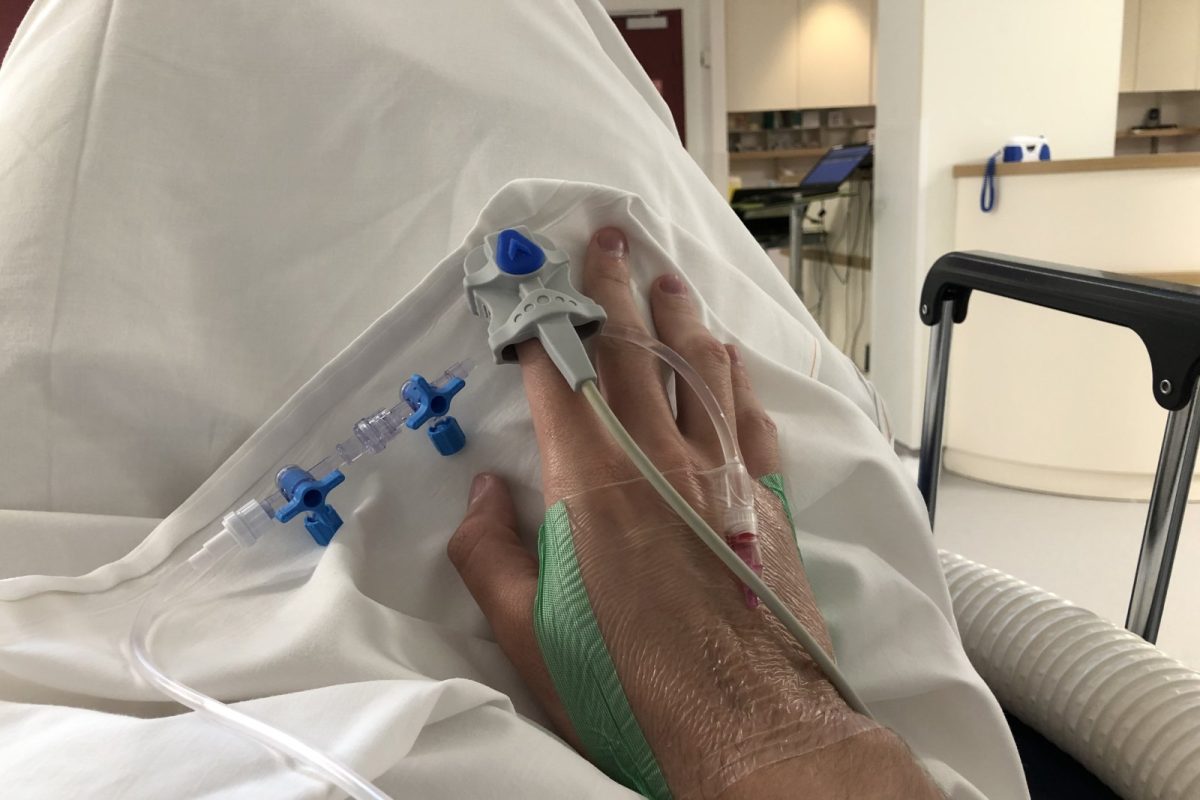
- A pilot trial at St. Michael’s Hospital in Toronto combined ketamine infusions with weekly psychotherapy for chronic neuropathic pain.
- Thirty participants were divided into three groups: ketamine alone, psychotherapy alone, and both combined.
- This was a feasibility study, not an efficacy study; its purpose is to justify a larger trial, not to validate the combination as a proven treatment.
A Toronto-based team has tested a combination rarely studied together: ketamine infusions and structured psychotherapy, applied in parallel to treat chronic neuropathic pain. The work, led by anesthesiologist Akash Goel at St. Michael’s Hospital of Unity Health Toronto, was published in August in the journal Med, part of the Cell Press group.
Why combine the two
Ketamine has been used off-label for years for neuropathic pain that does not respond to other treatments. It provides rapid relief, but the effect tends to fade in the weeks following the final infusion. The Canadian team’s hypothesis was that the window of plasticity opened by the substance could be better utilized if accompanied by sustained psychological work, rather than allowing it to close on its own.
To test this without assuming the result, they designed a three-arm randomized trial: ketamine alone, psychotherapy alone, and the combination. Those who received ketamine underwent intravenous infusions spread over sixteen weeks; those who received therapy attended weekly sessions focused on cognitive-behavioral approaches and mindfulness-based meditation.
What the trial measured
Thirty people with moderate to severe neuropathic pain were randomized, and the vast majority completed the twenty-week follow-up. The primary objective was not to prove that one arm worked better than another, but something preliminary and less flashy: to verify that the protocol was feasible—that is, that people would sign up, stay in the study, and tolerate the treatment. Most feasibility criteria were met, but adherence targets were only partially met. Exploratory pain outcomes improved numerically across groups, without establishing superiority of combined treatment. The adverse effects recorded were mostly mild and concentrated in the ketamine arms, with no serious events attributed to the study.
What it implies
Thirty people and a design intended to measure feasibility do not allow for the conclusion that the combination is superior: there is no statistical power for that, and the authors themselves state this bluntly. The difference observed between groups is a signal that guides the next step, not a firm result. A larger efficacy-powered study is needed to evaluate the combined treatment.
That said, the data has a practical takeaway for those already turning to ketamine for chronic pain, a field where much of the use occurs off-label and where quality information matters more than anywhere else. What this pilot suggests is that the infusion alone may not be the entire intervention, but it does not establish that subsequent psychological support prolongs relief. This aligns with what other studies have been pointing out regarding this substance, such as the meta-analysis that found its effect on relapse is concentrated in the first month.
Source
- Goel A, Diep C, Zahin A, Rosenblat JD, Pereira SM, Teja B, et al. Ketamine assisted psychotherapy to reduce chronic neuropathic pain: a mixed-methods randomized pilot trial. Med (Cell Press), August 2026.
Educational content written from a harm reduction perspective and with respect for individual freedom. It is not a substitute for advice from a healthcare professional and is not intended to encourage or condemn any drug use.

