

In brief
- Definium Therapeutics announces positive Phase 3 results for DT120, its pharmaceutical LSD tablet, this time for generalized anxiety disorder.
- A single dose reduced the HAM-A clinical anxiety scale by 5.4 points more than the placebo at twelve weeks, with high statistical significance.
- The effect was noticeable within the first week; the company describes mild or moderate adverse effects, transient and mainly on dosing day, without establishing absence of risks.
Definium Therapeutics has released the initial Phase 3 results from its Voyage trial, which focused on generalized anxiety disorder. This is the company’s second Phase 3 trial to be released this year: in June, it was major depressive disorder, and now anxiety. The data, presented on August 12, describe a difference versus placebo according to the company; this review does not verify analyst expectations or an independent clinical report.
A single dose, clinical setting, and twelve weeks of follow-up
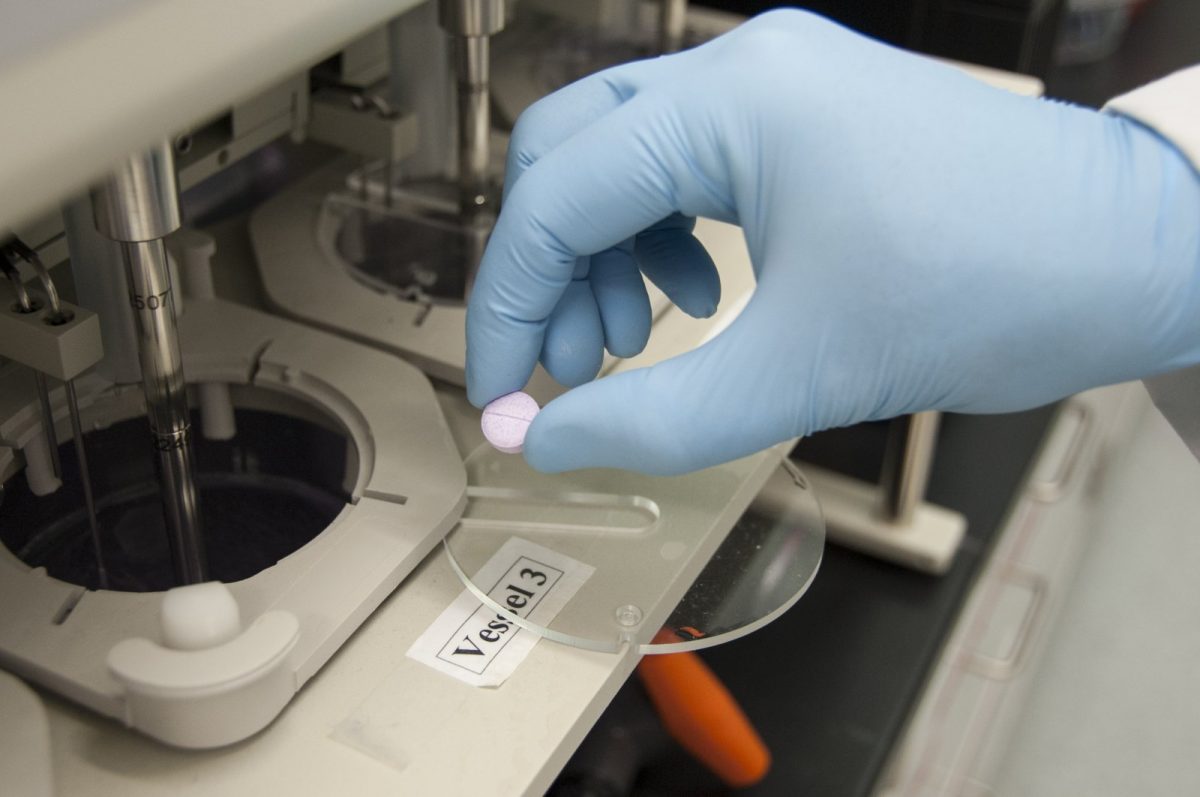
DT120 is LSD (lysergide) in an orally disintegrating tablet format, administered as a single 100-microgram dose under medical supervision. Voyage recruited 214 people with generalized anxiety, with 107 assigned to the drug and 107 to the placebo. The release describes hourly end-of-session-criteria assessments beginning at hour five. Mean time to meet criteria was 6.4 hours and median 6.1; 92% met them by hour eight. This does not establish an eight-hour supervision cap or total supervision duration. The primary outcome was measured using the HAM-A scale, a 56-point clinical questionnaire that assesses psychological and physical symptoms of anxiety, administered before the study and again at twelve weeks.
The numbers published by the company
Baseline HAM-A scores were similar in both groups: 28.4 in the DT120 group and 27.4 in the placebo group. At twelve weeks, the treated group saw a mean reduction of 11.6 points compared to 6.2 in the placebo group, a difference of 5.4 points (p<0.0001, Cohen’s d 0.81). Improvement was detected as early as the first week, with a 7.7-point difference in HAM-A, and in the clinical global impression from the second day. 43% of those who took DT120 achieved at least 50% improvement, compared to 16% with the placebo, and 14% reached full remission (HAM-A score of 7 or less) compared to 4%. Definium describes adverse effects as mild or moderate, transient, and concentrated on the day of dosing, with, according to the company, no new safety or suicidality signals and no reported suicidal behavior.
What this implies
It is important to place these data in context: these are topline results released by the company itself in a corporate press release, not yet a peer-reviewed article, so independent scrutiny is still to come. As with other psychedelic trials, maintaining a double-blind is difficult when the drug produces obvious perceptual effects, and the statement does not detail how it was verified whether participants and evaluators managed to avoid guessing the assigned group. It is also worth noting that this model—a single dose with clinical supervision and controlled set and setting—is different from self-managed use; harm reduction outside of a trial environment depends on variables that are intentionally controlled here. DT120 already has FDA breakthrough therapy designation for generalized anxiety, according to the release. In August, Definium forecast Panorama results in September; this review does not confirm current progress, an application or approval. Favorable results do not guarantee authorization.
Source
- Definium Therapeutics. Definium Therapeutics Announces Positive Topline Results from Phase 3 Voyage Study of DT120 ODT in Generalized Anxiety Disorder. Definium Therapeutics, August 12, 2026.
Educational content written from a harm reduction perspective and with respect for individual freedom. It is not a substitute for advice from a healthcare professional and is not intended to encourage or condemn any drug use.

