

From tolerance to prohibition: the road to 2008
For years, the Netherlands served as the European showcase for so-called “smart shops,” where fresh mushrooms containing psilocybin could be purchased legally. That margin gradually narrowed: dried mushrooms had already been prohibited in 2002, and by 2007, a ban on fresh ones felt like a matter of time. On December 1, 2008, the ban was finalized, equating their sale to that of drugs classified as high-risk.
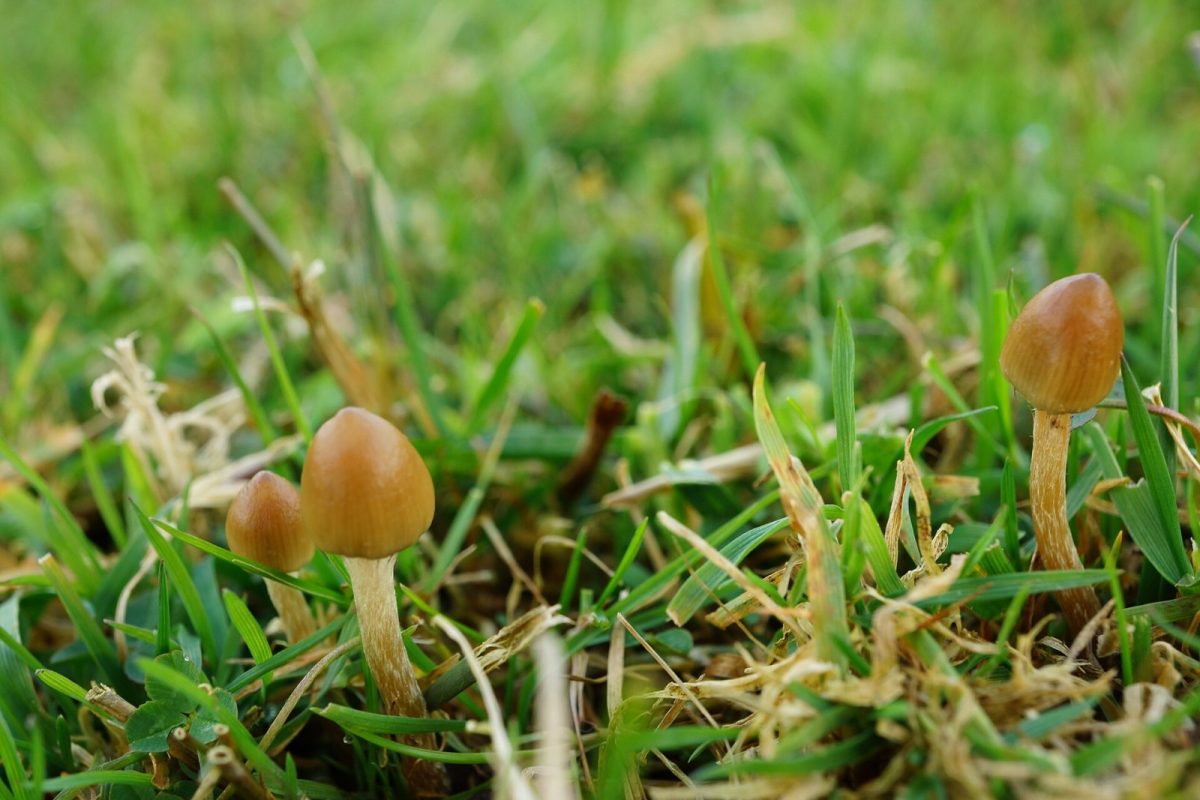
Until then, various Dutch shops marketed—including via mail order—fresh mushrooms of different Psilocybe cubensis varieties and other species like Panaeolus cyanescens, in addition to truffles (sclerotia) of Psilocybe tampanensis. It is worth noting a nuance that would shape the following years: the 2008 ban applied to mushrooms but left those truffles in a legal limbo, allowing their sale to continue. It is a clear example of how a narrowly drafted regulation displaces a market rather than closing it.
What species were in circulation
Among psilocybin mushrooms, Psilocybe cubensis is the most well-known, featuring the most “races” or varieties spread across the planet’s tropical zones: from Mexico—where it is traditionally associated with the “San Isidro mushroom”—to Southeast Asia, Australia, and the southern United States. The commercial catalog of the era included dozens of names (Golden Teacher, B+, Mexican, Thai, Ecuadorian varieties…), differentiated primarily by their cultivation behavior. We do not reproduce cultivation parameters, harvesting, or dosages here: that is not the purpose of this archive, and those are precisely the details that turn an educational text into a practical manual.
The role of spores does deserve attention. Microscopic in size, they are exchanged for taxonomic and microscopic study purposes, and their trade has historically operated on a different legal plane than the mushroom itself. That distinction supports much of the legal debate that follows.
Why the Netherlands banned mushrooms at that time
The decision was not solely health-related. Factors included the expansion of consumption, pressure from the rest of the European Union, and markedly sensationalist media coverage fueled by cases without names or verifiable data—stories of tourists who allegedly jumped to their deaths after consuming mushrooms. The most cited case used to justify the ban apparently involved a person with a pre-existing mental disorder, a nuance that tends to disappear when one is looking for a simple culprit.
The contrast with the data is notable. A 2000 report from the Dutch National Institute for Public Health had classified the risks of psilocybin consumption as “very low” in a country where about 1.5 million bags were sold annually, and serious incidents were rare in proportion. The ban was pushed by the conservative governing coalition—including the ChristenUnie (Christian Union) party—with a new official report much more aligned with that political orientation. The comparison that runs through the entire debate is inevitable: alcohol, with an incomparably higher toll of harm, is not prohibited. This does not mean mushrooms are harmless; it means the border between legal and illegal responds to culture and politics as much as to real risk.
There is also a fact that explains the alarm among European authorities: in some areas, mushrooms had become, after cannabis, one of the most consumed illegalized substances among adolescents. A study by the Santa Coloma de Gramenet City Council documented this issue with figures at the time. Recognizing that real youth consumption is part of an honest reading: the problem is not solved by denying or exaggerating it.
The Spanish case: spores, advertising, and a blurred line
In Spain, the situation has been different and, for years, contradictory. Small-scale home cultivation of Psilocybe mushrooms for personal use has been considered legal, while industrial cultivation for commercial purposes could constitute a crime. Regarding spores, lawyer Héctor Brotons argued—in a text published in specialized press (Soft Secrets, December 2005)—that neither their sale nor that of so-called “grow kits” would, a priori, entail criminal or administrative punishment, although it carried a risk of administrative action; he cited cases where the affected individuals were ultimately acquitted.
In parallel, Dutch-origin cannabis press distributed in Spanish advertised “hallucinogenic mushrooms” and “mescaline cacti” without apparent reaction from authorities, despite Spanish regulations on advertising with purported health purposes (Royal Decree 2217/1996) prohibiting the suggestion that a product enhances physical or psychic performance. That unequal tolerance—banning the product in one country while consenting to its advertising in another—illustrates the regulatory incoherence of the era.
The flip side of that ambiguity was judicial. The case of a smart shop in the center of Seville is well known; its manager, after selling imported fresh mushrooms for years, ended up facing a four-year sentence following an incident involving customers who consumed them without any preparation. The lesson is not epic: selling a psychoactive substance outside of a clear framework exposes both the seller and the consumer.
Critical reading and harm reduction
The original narrative from which this text departs was, in tone, openly favorable to mushrooms and very harsh toward regulators. It is worth tempering this. Psilocybin can induce intense experiences and, in people with psychiatric histories or a predisposition to psychosis, trigger serious crises; the context, state of mind, and environment (“set and setting”) enormously condition the experience. That the statistical risk is low on a population scale does not mean it is zero on an individual scale.
From a harm reduction perspective, the point is not to encourage consumption or provide instructions, but to underline the obvious: the legal situation varies greatly by country and changes over time; associated emergencies are usually due to anxiety and unsafe environments rather than direct toxicity; and combining these substances with driving, heights, or important decisions is where real harm appears. This article is historical and drug policy outreach, not a user guide.
Regarding sources: the data from the 2000 Dutch health report, the Santa Coloma de Gramenet municipal study, and the cited legal texts come from the original material; we reproduce them by name and do not link to URLs that we cannot verify today.